Infrastructure projects require concrete at many different stages of construction.
Roads, bridges, drainage systems, utility structures, foundations, industrial facilities, and public works all require concrete for different applications.
Unlike a single-location building project, infrastructure construction can cover a large area. Concrete may be needed at different sections of the project as construction progresses.
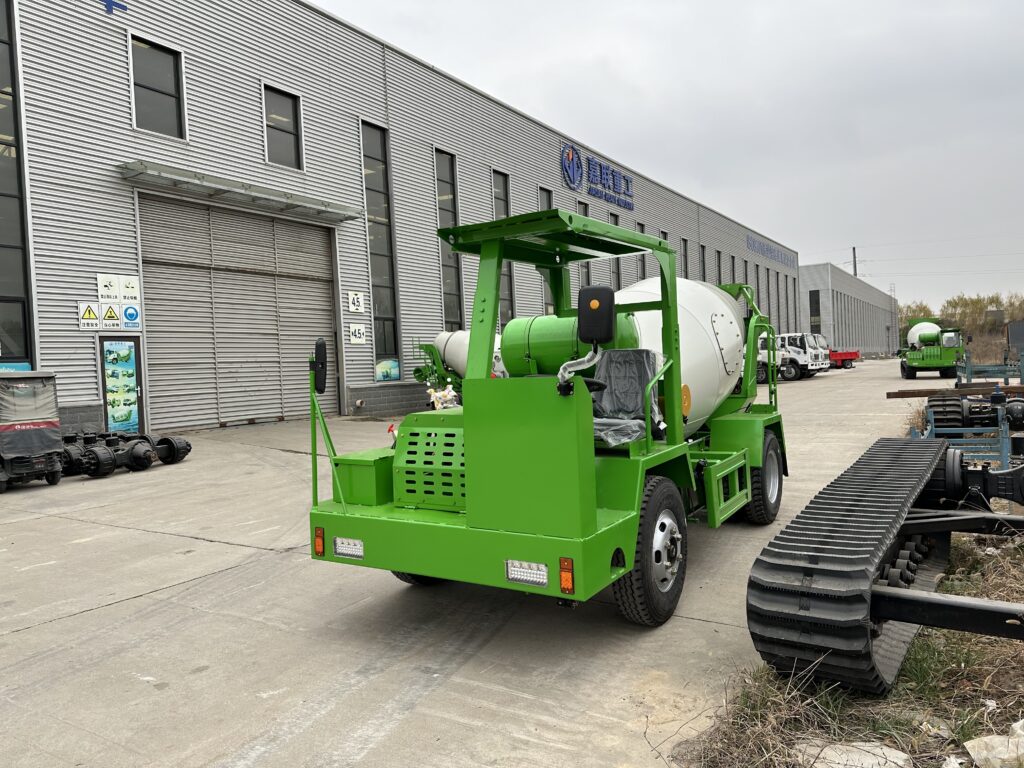
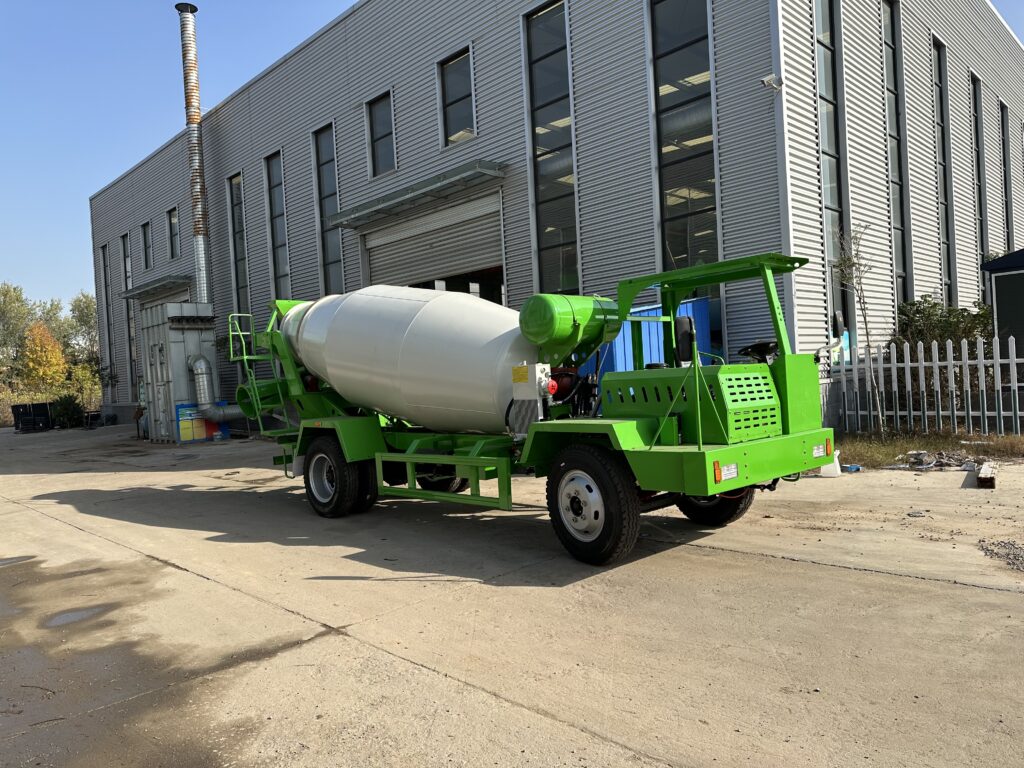
A Concrete Mixer Truck For Infrastructure Projects provides a practical way to transport and discharge concrete where it is needed.
The right mixer truck depends on the project size, road conditions, concrete demand, transportation distance, and working environment.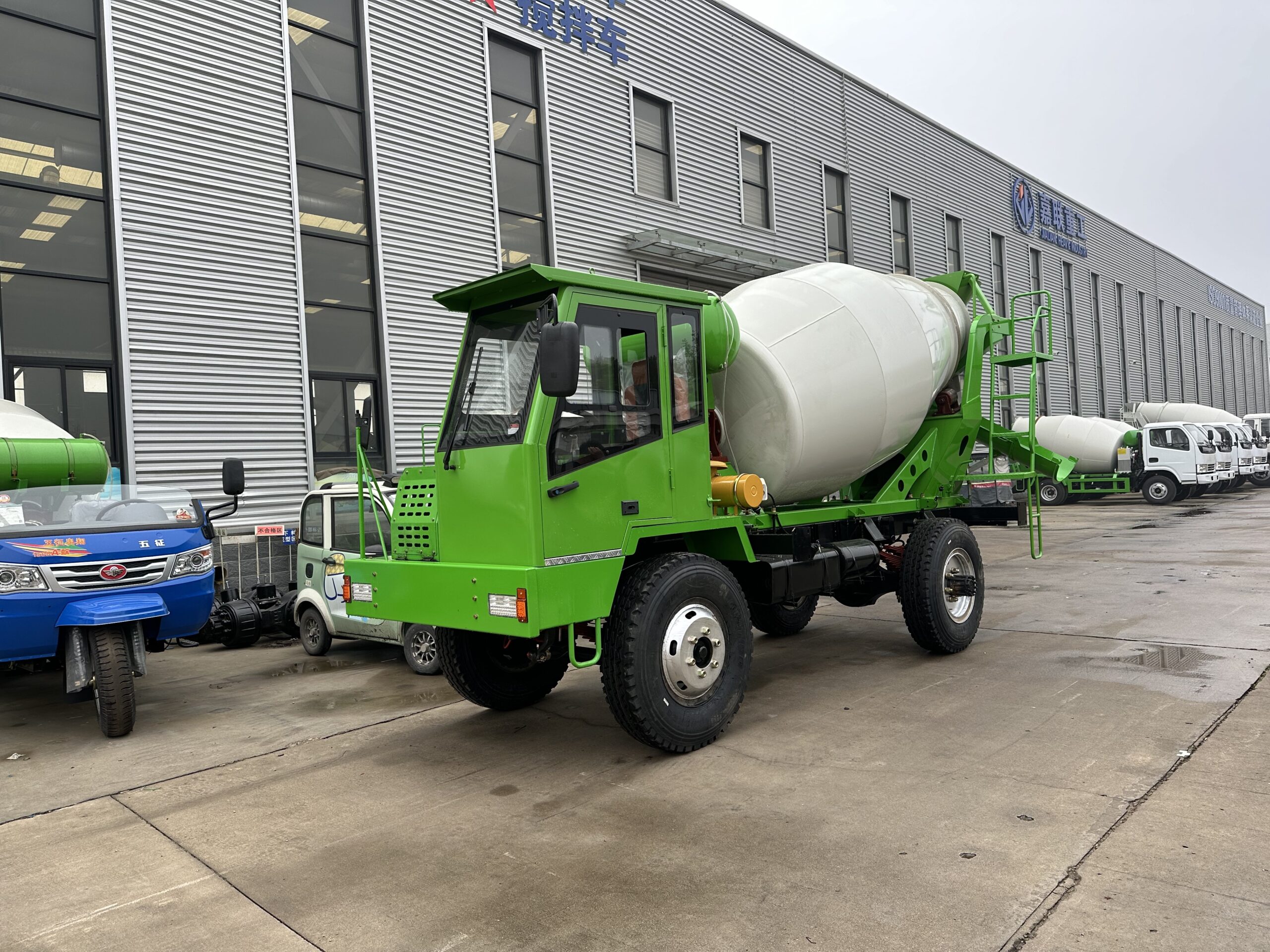
What Infrastructure Projects Use Concrete Mixer Trucks?
Infrastructure construction covers a wide range of projects.
Common applications include:
- Road construction
- Bridge construction
- Drainage systems
- Culvert construction
- Utility projects
- Foundations
- Industrial infrastructure
- Public works
- Rural infrastructure
- Road repair and maintenance
Each application can have different concrete requirements.
A road project may require concrete along a long construction section, while a drainage project may require concrete at many smaller work locations.
Therefore, the mixer truck should be selected according to how concrete will actually be used on the project.
Why Concrete Mixer Trucks Are Important For Infrastructure Construction
Infrastructure projects often involve multiple working areas.
Concrete may need to be delivered to different locations rather than one fixed pouring point.
A mixer truck can move between these areas as construction progresses.
This provides several practical benefits:
- Flexible concrete transportation
- Convenient discharge at the job site
- Suitable for changing work locations
- Reduced dependence on fixed mixing equipment
- Support for different stages of construction
For projects where concrete is needed at several locations, mobile equipment can be particularly useful.
Concrete Mixer Truck For Road Projects
Road construction is one of the most common infrastructure applications for concrete.
Concrete may be required for:
- Road surfaces
- Curbs
- Drainage channels
- Road foundations
- Culverts
- Bridge approaches
- Roadside structures
A Concrete Mixer Truck For Road Projects needs to work efficiently along the construction route.
Unlike a fixed building site, road projects can extend over a considerable distance.
The mixer truck may need to travel repeatedly between the concrete supply point and different sections of the road.
For this reason, contractors should consider transportation distance, road conditions, concrete demand, and vehicle mobility when selecting equipment.
Concrete Mixer Truck For Bridge Construction
Bridge projects require concrete for many structural components.
Applications may include:
- Foundations
- Piers
- Abutments
- Deck structures
- Approach sections
- Drainage structures
A Concrete Mixer Truck For Bridge Construction can transport and discharge concrete close to the working area.
Bridge construction sites can also have temporary access roads and restricted working areas.
The truck configuration should therefore be selected according to the available access and concrete requirements.
For projects with difficult access or uneven construction roads, vehicle mobility becomes more important.
Concrete Mixer Truck For Drainage Projects
Drainage construction often involves many separate work sections.
Concrete may be used for:
- Drainage channels
- Culverts
- Concrete pipes
- Drainage foundations
- Small retaining structures
A Concrete Mixer Truck For Drainage Projects can move between different sections as the project progresses.
Because drainage projects are often located along roads or around developed areas, access conditions should be considered before selecting the vehicle.
A compact mixer truck may be more practical when the working area is limited.
Concrete Mixer Truck For Utility Construction
Infrastructure also includes utility construction.
Projects involving water supply, power, telecommunications, and other utilities may require concrete for foundations and supporting structures.
Concrete requirements may be relatively small at each individual location but spread across a large project area.
A mobile mixer truck can provide flexibility when concrete needs to be delivered to different work areas.
The appropriate mixer capacity should be determined according to the expected concrete demand and working cycle.
Concrete Mixer Truck For Public Works
Public works can include many types of construction and maintenance projects.
Examples include:
- Roads
- Drainage systems
- Bridges
- Sidewalks
- Public facilities
- Foundations
- Small infrastructure repairs
These projects may not always have the same concrete requirements.
Some require larger volumes of concrete, while others need smaller batches at multiple locations.
A Concrete Mixer Truck For Public Works should therefore be selected based on the project scale and actual operating environment.
Choosing The Right Mixer Capacity
Mixer capacity is one of the first specifications contractors consider.
However, bigger is not always better.
The required capacity depends on:
- Project size
- Concrete demand
- Pouring frequency
- Transportation distance
- Road conditions
- Available working space
For a large infrastructure project, a larger mixer may reduce the number of trips required.
For smaller infrastructure projects, a compact mixer can be easier to operate and transport.
A Concrete Mixer Truck For Small Infrastructure Projects can be useful for projects such as small bridges, drainage construction, rural roads, and local infrastructure repairs.
Large Infrastructure Projects
Large infrastructure projects can require a continuous supply of concrete.
Examples include:
- Major highways
- Large bridges
- Industrial infrastructure
- Large drainage systems
- Airport-related construction
- Large public works
A Concrete Mixer Truck For Large Infrastructure Projects should be selected according to the required concrete production and transportation cycle.
Contractors may use multiple mixer trucks when the project requires a larger and more continuous concrete supply.
The number of trucks depends on the project schedule, transportation distance, concrete demand, and available supply.
Small Infrastructure Projects
Not every infrastructure project requires large equipment.
Local roads, drainage projects, small bridges, utility construction, and rural infrastructure may require relatively small quantities of concrete.
In these cases, a smaller mixer truck may be more practical.
A compact vehicle can be easier to move between work locations and may require less space for operation.
The key is to match the mixer capacity to the actual project rather than choosing equipment based only on the largest possible output.
Infrastructure Projects With Long Transportation Distances
Some infrastructure projects are located far from concrete plants or material suppliers.
Long transportation distances can affect project scheduling and concrete delivery.
A mobile mixer truck can provide greater flexibility by bringing mixing or concrete transportation capability closer to the construction area.
For projects in remote locations, a Self Loading Concrete Mixer Truck For Remote Areas can be considered when the contractor needs an integrated machine for material loading, mixing, transportation, and discharge.
Whether this configuration is appropriate depends on the project and material supply conditions.
Infrastructure Projects With Difficult Access
Some infrastructure projects involve temporary or unfinished roads.
The truck may need to operate on:
- Gravel roads
- Dirt roads
- Slopes
- Uneven ground
- Temporary construction roads
In these conditions, the vehicle’s mobility becomes an important consideration.
A Concrete Mixer Truck For Difficult Terrain can be considered when the project involves challenging road conditions.
For particularly demanding terrain, contractors may also consider a Concrete Mixer Truck With 4 Wheel Drive to provide additional traction.
The final choice should be based on the actual terrain rather than selecting four-wheel drive simply as a standard feature.
Mobile Concrete Mixer Trucks For Infrastructure Work
Infrastructure projects can move from one construction section to another.
This makes mobility an important factor.
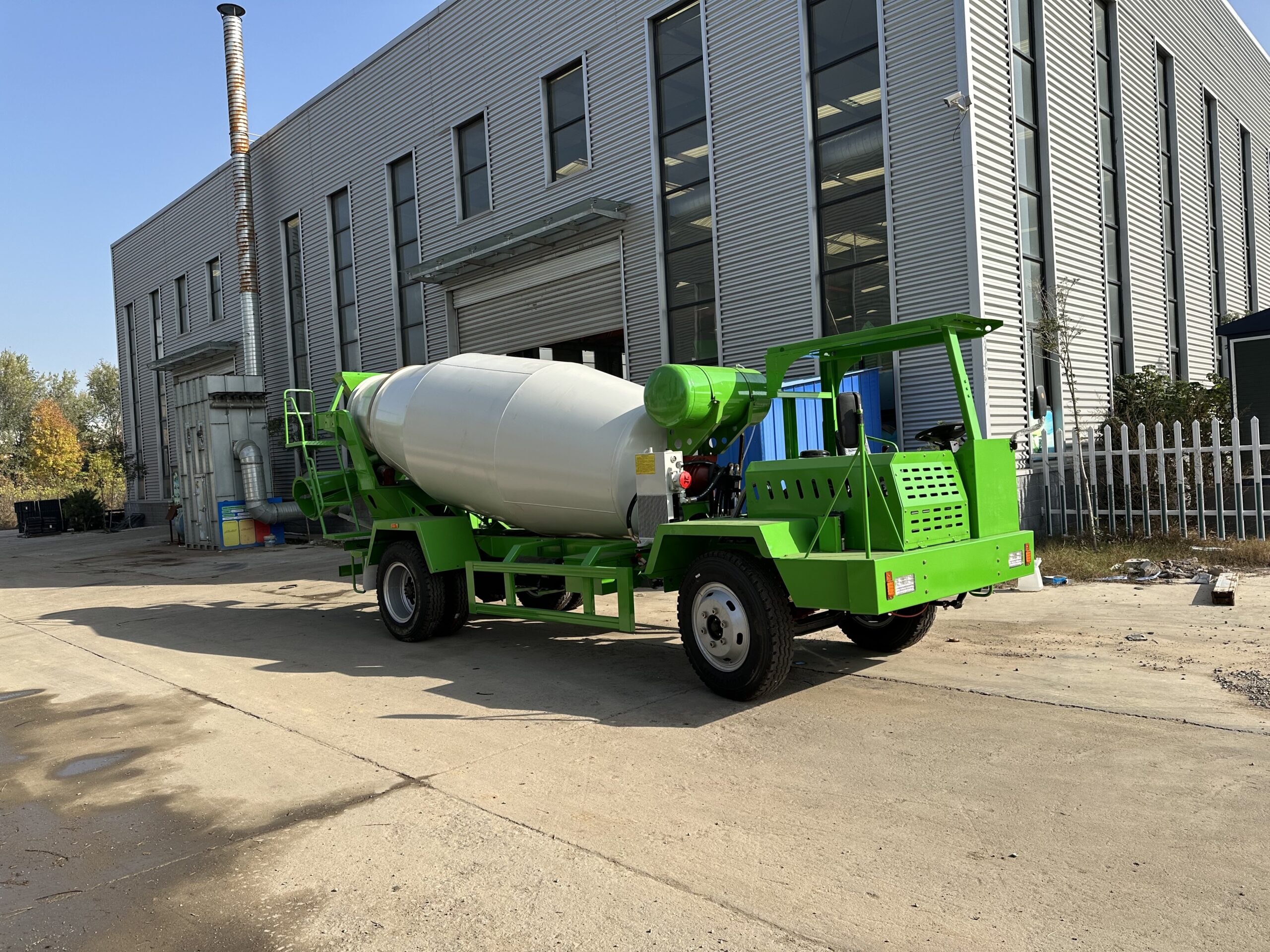
A Mobile Concrete Mixer Truck For Construction Sites can move with the project and provide concrete transportation or mixing capability at different work locations.
This can be useful for:
- Road projects
- Drainage construction
- Utility projects
- Rural infrastructure
- Bridge construction
The vehicle can be moved according to the construction schedule instead of remaining at one fixed location.
 What Should You Consider When Choosing A Mixer Truck?
There are several important factors to evaluate.
Project Type
First determine what type of infrastructure project the truck will support.
Roads, bridges, drainage, utilities, and foundations may require different configurations.
Concrete Demand
Estimate the amount of concrete required per working cycle and per day.
This helps determine the appropriate mixer capacity.
Transportation Distance
Consider the distance between the concrete supply point and the working area.
Longer distances may require a different operating strategy.
Road Conditions
Evaluate the roads the truck will use.
Consider:
- Road surface
- Road width
- Slopes
- Ground conditions
- Turning space
Discharge Requirements
Determine where the concrete needs to be discharged.
Important factors include:
- Discharge height
- Chute length
- Discharge direction
- Distance from truck to pouring location
Vehicle Dimensions
Check whether the truck can access the project.
This is particularly important for bridges, drainage projects, urban infrastructure, and narrow construction areas.
Can An Infrastructure Mixer Truck Be Customized?
Infrastructure projects do not always have standard working conditions.
Depending on the manufacturer and model, customers may be able to customize:
- Mixer capacity
- Chassis
- Engine
- Drive system
- Vehicle dimensions
- Discharge height
- Chute configuration
- Hydraulic system
A Concrete Mixer Truck With Custom Configuration can be considered when a standard model does not fully meet the project requirements.
For projects with particularly unusual working conditions, customers can also discuss a Custom Concrete Mixer Truck For Special Applications.
Customization should focus on solving actual project requirements rather than adding unnecessary equipment.
 How To Select A Concrete Mixer Truck For An Infrastructure Project
A practical selection process can start with five questions.
1. Where Will The Truck Work?
Identify the project type and working locations.
2. How Much Concrete Is Needed?
Estimate the concrete demand for each working cycle and the entire project.
3. What Are The Road Conditions?
Determine whether the truck will use paved roads, gravel roads, temporary roads, slopes, or uneven terrain.
4. How Does The Concrete Need To Be Discharged?
Identify the required discharge location, height, and working distance.
5. Is A Standard Truck Enough?
If the project has unusual requirements, discuss customization with the manufacturer.
This process can help avoid choosing a truck based only on mixer capacity.
What Information Should You Send To The Manufacturer?
When requesting a quotation, provide detailed project information.
Useful information includes:
- Infrastructure project type
- Required mixer capacity
- Daily concrete demand
- Transportation distance
- Road width
- Road conditions
- Maximum slope
- Required discharge height
- Preferred chassis
- Drive system requirements
- Destination country
- Quantity required
Photos and videos of the construction site can also help the manufacturer understand the working conditions.
The more complete the information, the easier it is to recommend a suitable configuration.
Working With A Concrete Mixer Truck Manufacturer
Choosing the right supplier is also important.
An experienced Concrete Mixer Truck Manufacturer should be able to provide information about:
- Mixer truck specifications
- Chassis options
- Drive systems
- Mixer capacities
- Custom configurations
- Spare parts
- Technical support
- Export and shipping
For infrastructure projects, technical communication before production can help ensure that the vehicle matches the actual construction requirements.
Conclusion
A Concrete Mixer Truck For Infrastructure Projects can support many types of construction, including roads, bridges, drainage systems, utilities, foundations, and public works.
Infrastructure projects often involve changing work locations, different road conditions, and varying concrete requirements.
For this reason, the right mixer truck should be selected according to the actual project rather than using the same configuration for every application.
Mixer capacity, vehicle dimensions, transportation distance, road conditions, drive system, and discharge requirements should all be considered.
For smaller infrastructure projects, a compact mixer may be sufficient.
For challenging terrain, four-wheel drive may provide additional mobility.
For remote projects, a self-loading configuration may offer greater flexibility.
And when standard equipment cannot meet the project requirements, customization can provide another option.
The best infrastructure mixer truck is the one that matches the project’s actual working conditions, concrete requirements, and construction schedule.