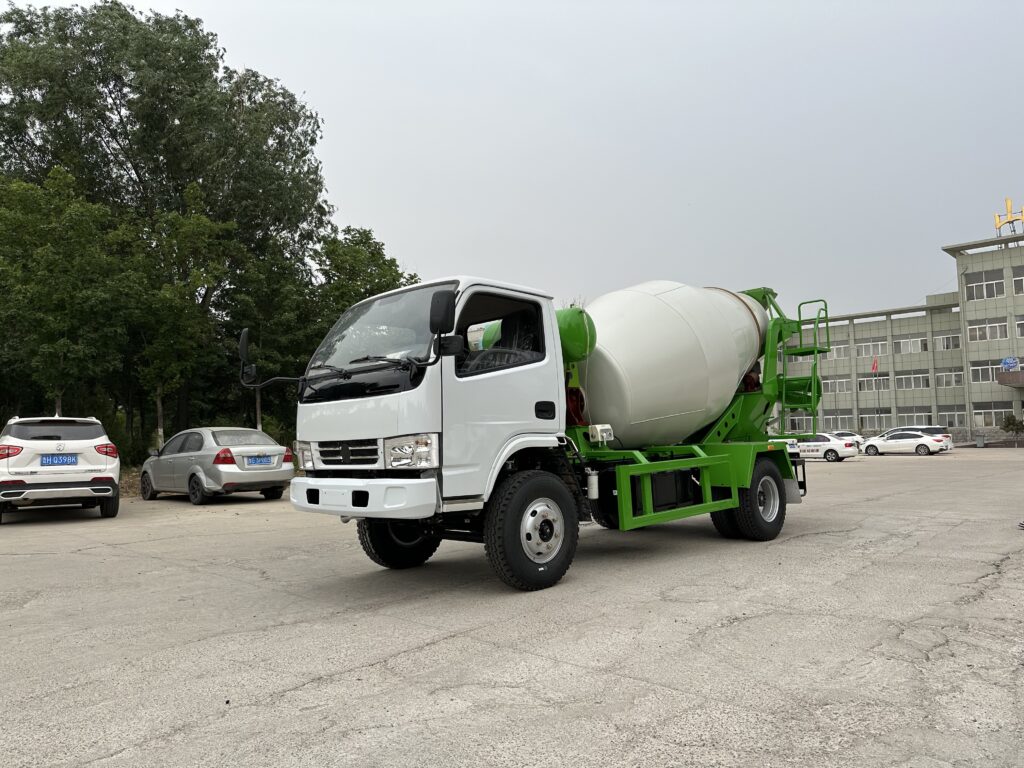
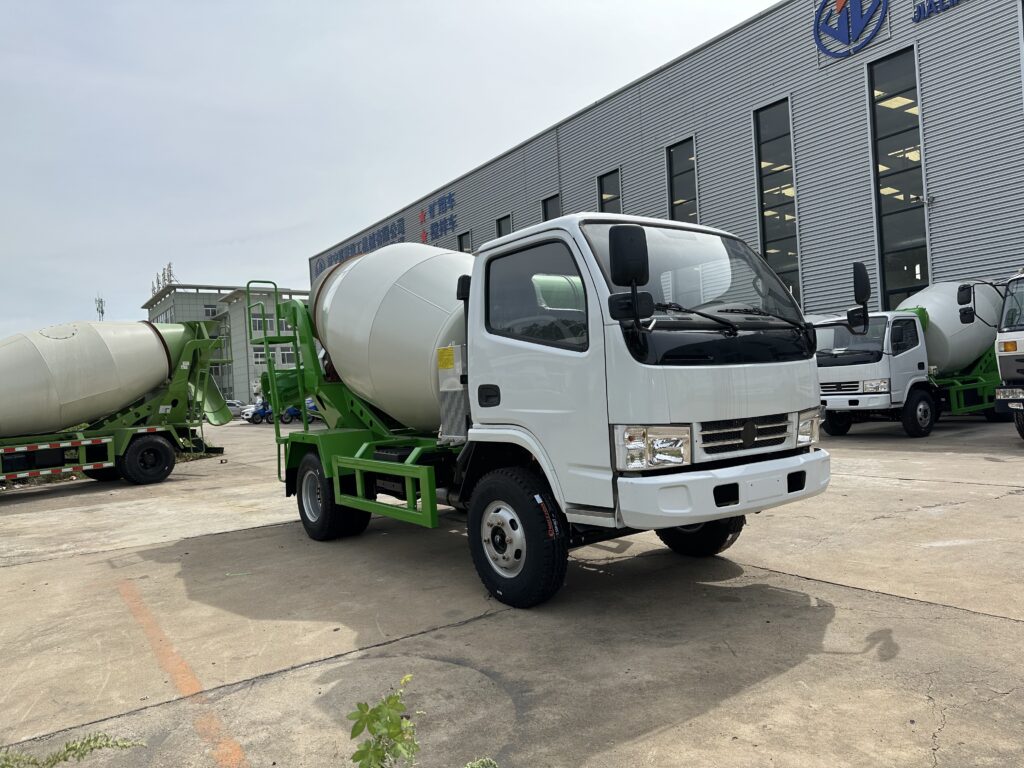
Buying a concrete mixer truck is an important investment for construction contractors, equipment dealers, and businesses involved in concrete delivery. The right truck can support daily construction work, improve delivery efficiency, and meet the needs of different job sites. However, choosing the wrong configuration may lead to unnecessary costs, access problems, or equipment that does not suit your projects.
This Concrete Mixer Truck Buying Guide explains the key steps involved in purchasing a concrete mixer truck, from identifying your requirements and selecting the right capacity to comparing prices, evaluating manufacturers, and confirming delivery details.
Whether you need a small concrete mixer truck for residential construction or a customized vehicle for a specific working environment, this guide will help you prepare for your purchase and make a more informed decision.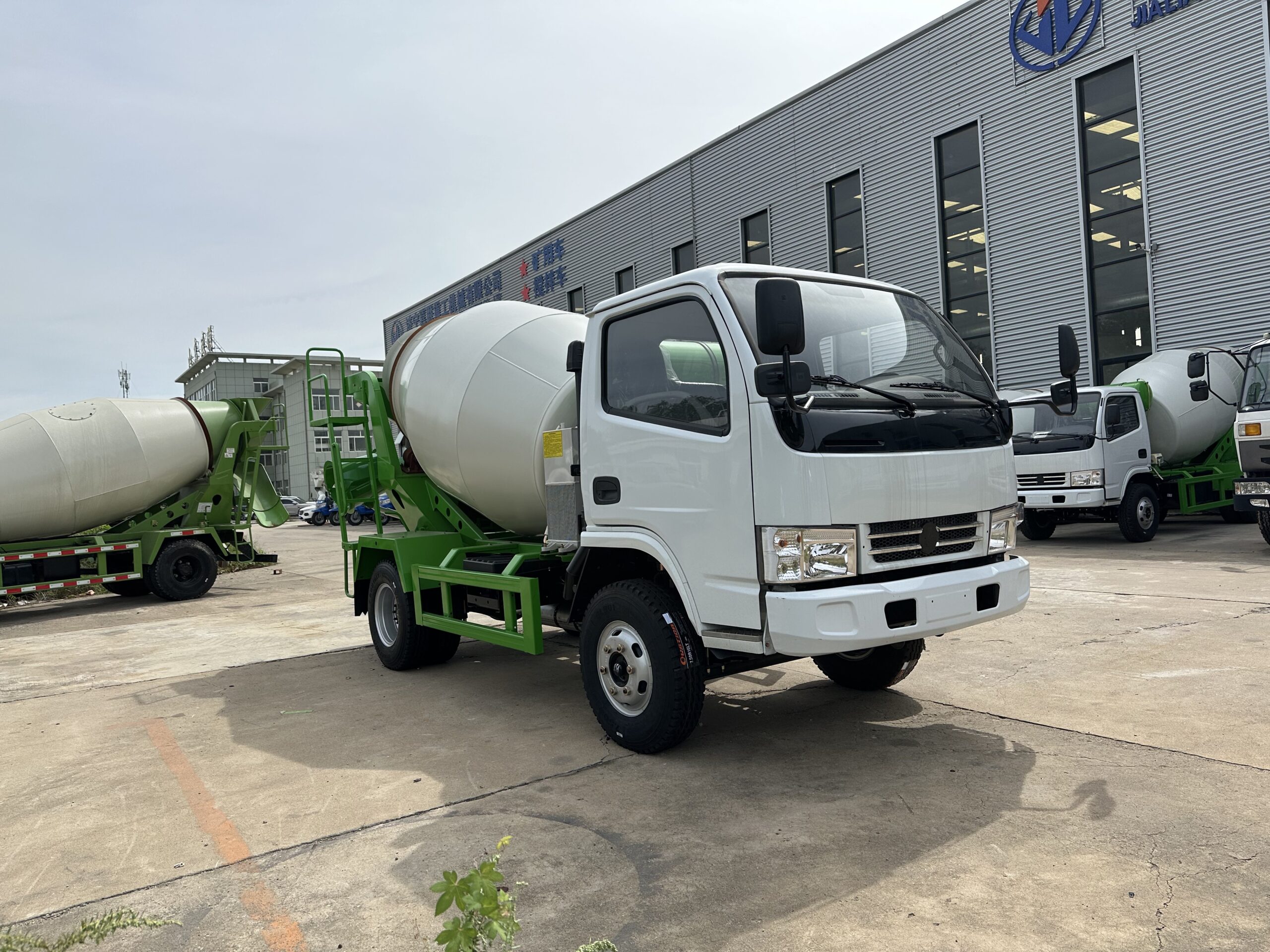
1. Define Your Construction Needs Before Buying
Before comparing trucks or requesting quotations, identify how the vehicle will be used. Your working environment should guide your choice of capacity, chassis, dimensions, and configuration.
Start by answering these questions:
- What type of construction projects will the truck serve?
- How much concrete do you need to mix or transport per trip?
- Will the truck operate on public roads, construction roads, or rough terrain?
- Does the job site have narrow entrances, low-clearance areas, or limited turning space?
- How many hours will the truck typically operate each day?
- Do you need a complete truck or only a concrete mixer body?
For example, rural house construction and small building projects may require a compact vehicle that can access narrow roads. Road construction and larger projects may require a different capacity, chassis, or operating configuration.
Defining these requirements first helps you avoid paying for features you do not need or choosing a truck that cannot meet your actual working conditions.
2. Choose the Right Concrete Mixer Truck Capacity
Capacity is one of the most important factors when buying a concrete mixer truck. A suitable capacity should match your project volume, delivery requirements, road conditions, and vehicle weight limits.
Small concrete mixer trucks may be suitable for residential construction, small contractors, and projects with limited access. Larger trucks may be more appropriate for operations that require greater concrete delivery volumes.
However, buyers should understand the difference between drum volume and rated mixing capacity.
The total internal volume of a mixing drum is not necessarily the amount of concrete the truck can safely mix and transport. Actual loading also depends on vehicle weight, axle load limits, concrete density, drum design, and local transportation regulations.
When comparing capacities, ask the manufacturer to clarify:
- The rated mixing capacity of the model.
- The drum’s geometric volume, where applicable.
- The complete vehicle’s weight and permitted load.
- The chassis configuration required for the selected capacity.
- Any applicable road weight or registration restrictions.
Do not choose a truck based only on the largest capacity available. The right model is one that can meet your delivery requirements while remaining suitable for your routes and job sites.
3. Select the Right Chassis and Engine
The chassis and engine are important parts of the overall truck configuration. They affect the vehicle’s weight, driving performance, installation compatibility, and suitability for different operating conditions.
Chassis
When reviewing chassis options, check the brand, model, wheelbase, axle configuration, rated loads, and compatibility with the mixer body.
A truck used on narrow roads may require a different overall layout from one intended for larger construction sites. If your project involves rough roads, steep gradients, or muddy ground, discuss the terrain and operating requirements with the manufacturer before selecting the chassis.
Engine
Engine selection should consider power, torque, fuel type, maintenance requirements, and the emissions standards applicable in your destination market.
Higher engine power does not automatically make a truck the best choice. The engine must be matched with the vehicle’s weight, transmission, chassis, and intended working conditions.
Before ordering, confirm the engine model and specifications in writing. Also check whether the vehicle meets local registration and emissions requirements.
Drive Configuration
Different drive configurations may be suitable for different road and terrain conditions. If you need a truck for difficult terrain, ask about the available drive systems and other relevant features.
The final choice should be based on the actual working environment rather than the configuration name alone.
4. Check Vehicle Dimensions and Job-Site Access
A concrete mixer truck must be able to reach the work area and operate within the available space.
Before buying, check:
- Overall vehicle length.
- Overall vehicle width.
- Overall vehicle height.
- Wheelbase and turning requirements.
- Ground clearance.
- Access restrictions along the delivery route.
- Discharge chute reach and working space.
These details are especially important for rural housing projects, narrow construction roads, low-clearance entrances, and sites with uneven ground.
If the job site has a height or width restriction, provide the exact measurements to the supplier before selecting a model.
A customized truck may be an option when standard dimensions do not meet your needs. However, any modifications must remain technically feasible and comply with applicable vehicle and road requirements.
Ask for the confirmed dimensions of the final configuration rather than relying only on general product photographs or preliminary specifications.
5. Understand the Mixer Drum and Hydraulic System
The mixing drum and hydraulic system are central to the truck’s working function. Their configuration should match the intended capacity, operating conditions, and maintenance arrangements.
Mixing Drum
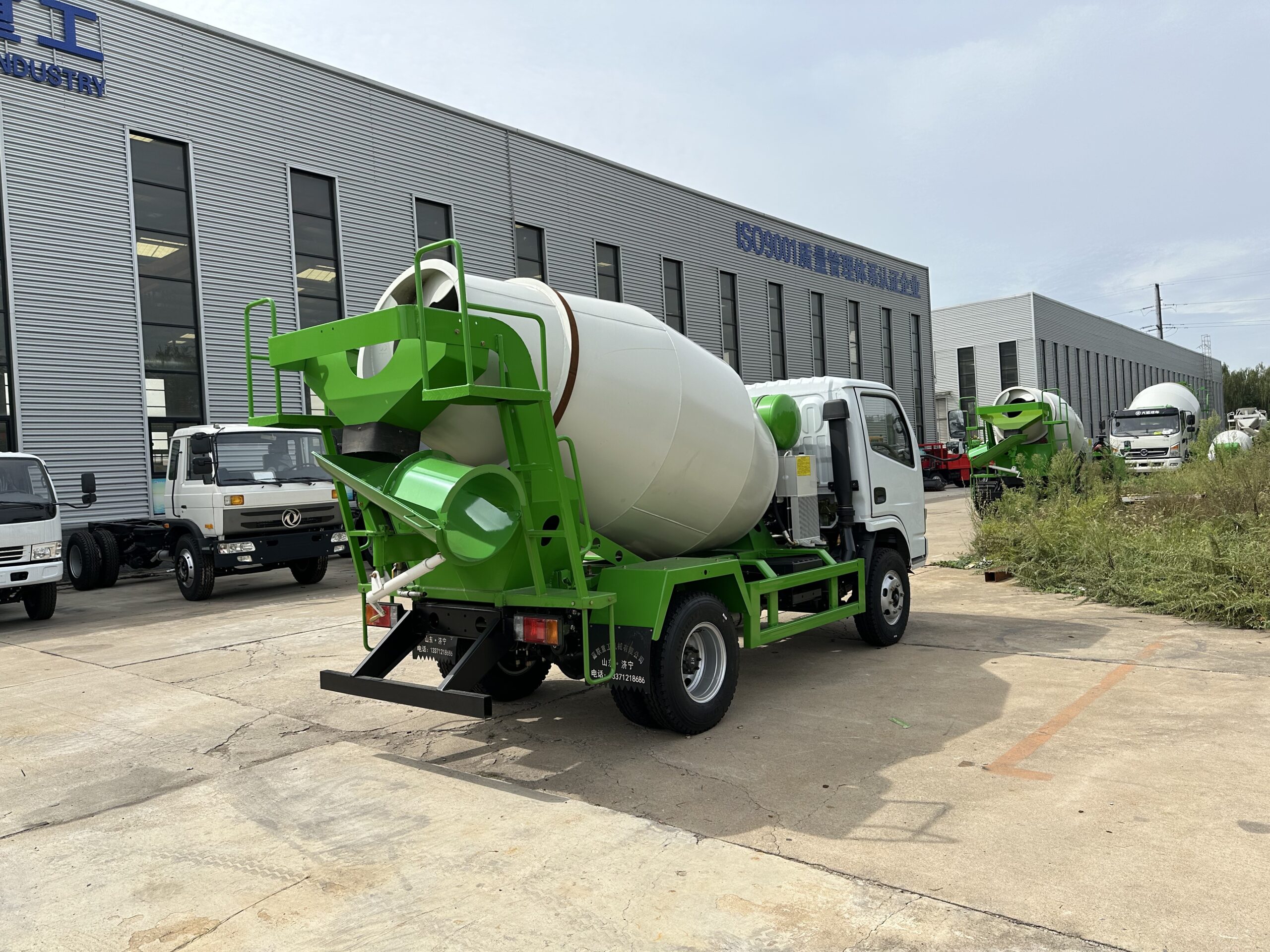
When reviewing the drum, ask about its rated capacity, design, internal mixing structure, and discharge arrangement.
Consider how the truck will be loaded, transported, and unloaded at the job site. If the vehicle must discharge concrete in a confined area, the chute layout and adjustment options may be particularly important.
Hydraulic System
The hydraulic system commonly supports drum rotation and related operating functions. Depending on the model, its components may include a hydraulic pump, hydraulic motor, reduction gearbox, and associated controls.
Ask the manufacturer to identify the main components and explain the available configuration options.
Also consider spare parts availability and the maintenance support available in your destination market. A configuration that is difficult to service locally may create additional operating challenges.
Mixer Body Only or Complete Truck?
Some buyers need a complete concrete mixer truck, while others already own a suitable chassis and only need the mixer body.
If you plan to purchase the mixer body separately, provide the existing chassis model, relevant technical specifications, and installation requirements. The manufacturer should confirm whether the chassis is suitable and whether the proposed installation can meet the necessary weight and regulatory requirements.
Do not assume that every mixer body can be installed on every truck chassis.
 6. Compare Concrete Mixer Truck Prices Correctly
The price of a concrete mixer truck depends on more than its drum capacity. Different chassis, engines, hydraulic systems, dimensions, and customization requirements can result in different quotations.
Important price factors include:
- Capacity: Different mixing capacities may require different vehicle configurations.
- Chassis: Brand, model, axle configuration, and load ratings affect the overall specification.
- Engine: Engine model, power, and emissions requirements can influence cost.
- Hydraulic system: Component selection and system configuration may vary between models.
- Customization: Special dimensions, driving positions, and other modifications may affect the quotation.
- Purchase scope: A complete vehicle and a mixer body supplied separately are different products.
- Shipping and import costs: International freight, insurance, duties, taxes, and local compliance expenses may add to the total purchase cost.
When comparing suppliers, make sure each quotation covers the same or clearly defined configuration.
For example, one quotation may include a complete vehicle, while another covers only the mixer body. Comparing their headline prices without checking what is included can lead to an inaccurate decision.
For a more detailed breakdown, see our guide to Concrete Mixer Truck Price.
7. Decide Whether You Need a Standard or Customized Truck
A standard model may be suitable if its specifications match your project. Customization may be worth considering when your working environment or operating requirements differ from those of a typical customer.
Common customization requirements may include:
- Different drum capacities.
- Specific chassis or engine configurations.
- Special vehicle dimensions.
- Right-hand-drive configurations, where available.
- Particular discharge chute arrangements.
- Adaptations for specific site conditions.
- A mixer body designed for a compatible existing chassis.
Not every request can be accommodated on every model. The final configuration depends on technical feasibility, chassis compatibility, applicable regulations, and manufacturing requirements.
Before placing an order, provide the manufacturer with a clear list of required changes. Ask for the proposed specifications and any relevant drawings to be confirmed before production.
If customization is important to your project, consider working directly with a manufacturer that can discuss the vehicle and mixer body configuration together.
8. How to Choose a Reliable Concrete Mixer Truck Manufacturer
Selecting the right supplier is just as important as selecting the right vehicle.
A reliable manufacturer should be able to explain its products clearly, provide relevant technical information, and confirm what is included in the quotation.
Before making a decision, consider the following points.
Product Range
Check whether the manufacturer offers models that match your required capacity, working environment, and purchase scope.
If you need a small truck, a special chassis, or a mixer body only, confirm that the manufacturer can discuss the relevant configuration.
Technical Information
Request a complete specification sheet covering the engine, chassis, capacity, vehicle dimensions, weight, hydraulic system, and other relevant components.
If a parameter is unclear, ask for an explanation before accepting the quotation.
Factory and Product Evidence
Review actual product photographs, manufacturing information, and relevant vehicle details. Where possible, confirm that the information relates to the model and configuration you intend to purchase.
Quotation and Communication
A clear quotation should identify the model, configuration, included equipment, price basis, and delivery terms.
The manufacturer should also be able to answer questions about customization, spare parts, maintenance, and the purchasing process.
After-Sales Support
Ask what technical support is available, how spare parts can be obtained, and which warranty terms apply to your specific order.
Do not assume that all suppliers offer the same warranty, service arrangements, or replacement parts. Request the applicable terms in writing.
9. Confirm the Order, Delivery, and Import Requirements
Once you have selected a suitable model and supplier, the next step is to confirm the order details.
Before paying a deposit or signing the purchase contract, review the following items.
Technical specifications: Confirm the exact model, capacity, engine, chassis, dimensions, and other agreed configurations.
Price and payment terms: Check the quotation currency, payment schedule, included equipment, and any additional charges.
Production and delivery schedule: Confirm the expected production period, inspection arrangements, and agreed delivery timeline.
Shipping arrangements: For overseas purchases, clarify the shipping method, loading responsibilities, insurance arrangements, and delivery terms.
Import and registration requirements: Check whether the vehicle can be imported, registered, and operated in the destination country. Requirements may vary by market and vehicle configuration.
Documents: Agree on the documents that will be provided for shipment, customs clearance, and registration, as applicable.
Final inspection: Establish how the finished vehicle will be checked against the confirmed specifications before shipment.
Keep the approved specification sheet, quotation, contract, and relevant inspection records together. These documents help both parties understand the agreed configuration and delivery scope.
10. Inspect the Truck Before Shipment or Acceptance
Before the truck is accepted, check that the delivered configuration matches the purchase agreement.
The inspection should cover the vehicle identity, main specifications, installed equipment, and any customization items included in the order.
Depending on the model and agreed inspection scope, relevant checks may include:
- Vehicle model and chassis identification.
- Engine and major component information.
- Drum capacity and configuration.
- Overall dimensions and agreed modifications.
- Hydraulic system and operating controls.
- Drum rotation and discharge functions.
- Required documents and accessories.
- Visible damage or incomplete work.
Functional checks should be performed by qualified personnel using appropriate procedures. The inspection process should reflect the manufacturer’s instructions and the agreed acceptance criteria.
For customized vehicles, pay particular attention to the dimensions, component arrangement, and other details that were specifically requested.
Document any issues and agree on the next steps with the supplier before completing acceptance.
 11. Calculate the Total Cost of Ownership
The purchase price is only one part of the cost of operating a concrete mixer truck.
Before making a final decision, consider the expected costs over the period you plan to use the vehicle.
These may include:
- Fuel and routine operating expenses.
- Scheduled maintenance and replacement parts.
- Tires and other wear items.
- Driver and operator costs.
- Insurance, registration, and applicable taxes.
- Downtime and repair-related expenses.
- Shipping and import costs for overseas purchases.
The importance of each item depends on your operating conditions, local prices, annual usage, and the selected truck configuration.
A lower initial price may not always mean a lower total cost. Equally, a more expensive configuration is not automatically better. Compare the equipment, service arrangements, and operating requirements before deciding which option offers the best value for your business.
12. Concrete Mixer Truck Buying Checklist
Use this checklist before confirming your purchase.
-
Define the construction application and working environment.
-
Confirm the required rated mixing capacity.
-
Check vehicle weight, payload, and applicable road limits.
-
Select a suitable chassis, engine, and drive configuration.
-
Confirm vehicle dimensions and job-site access.
-
Review the drum, hydraulic system, and discharge arrangement.
-
Decide whether you need a complete truck or a mixer body only.
-
Compare quotations based on equivalent configurations.
-
Verify the manufacturer’s product information and support.
-
Confirm customization details in writing.
-
Review payment, production, shipping, and import terms.
-
Agree on final inspection and acceptance requirements.
-
Check spare parts availability and applicable warranty terms.
Completing these steps before ordering can help reduce misunderstandings and make the purchasing process more organized.
13. Buy a Concrete Mixer Truck from Jialian Heavy Industry
Jialian Heavy Industry works with customers looking for concrete mixer trucks and mixer bodies for different construction requirements.
If you need a small concrete mixer truck for building projects, a vehicle configured for a particular working environment, or a mixer body for a compatible chassis, the first step is to define your required capacity, vehicle dimensions, chassis preferences, and operating conditions.
Providing clear requirements helps the manufacturer discuss suitable configurations and prepare a more relevant quotation.
When contacting Jialian Heavy Industry, include the following information:
- Your destination country or region.
- The intended construction application.
- Required mixing capacity.
- Chassis or engine preferences, if any.
- Vehicle dimension restrictions.
- Whether you need a complete truck or a mixer body.
- Any special configuration or customization requirements.
- Estimated purchase quantity.
With these details, you can begin a more focused discussion about vehicle options, specifications, and pricing.
Conclusion
Buying a concrete mixer truck requires more than choosing a capacity and comparing prices. The right purchase starts with understanding your construction needs, selecting a suitable chassis and engine, checking the drum and hydraulic configuration, and confirming that the vehicle meets your site and regulatory requirements.
You should also evaluate the manufacturer, compare equivalent quotations, review the contract and delivery terms, and establish a clear inspection process before acceptance.
Use this Concrete Mixer Truck Buying Guide as a starting point for your purchasing process. By confirming the important details before placing an order, you can make a more informed decision and choose a truck that fits your project requirements and business budget.
Looking for a concrete mixer truck or mixer body? Contact Jialian Heavy Industry to discuss your requirements and request a quotation.