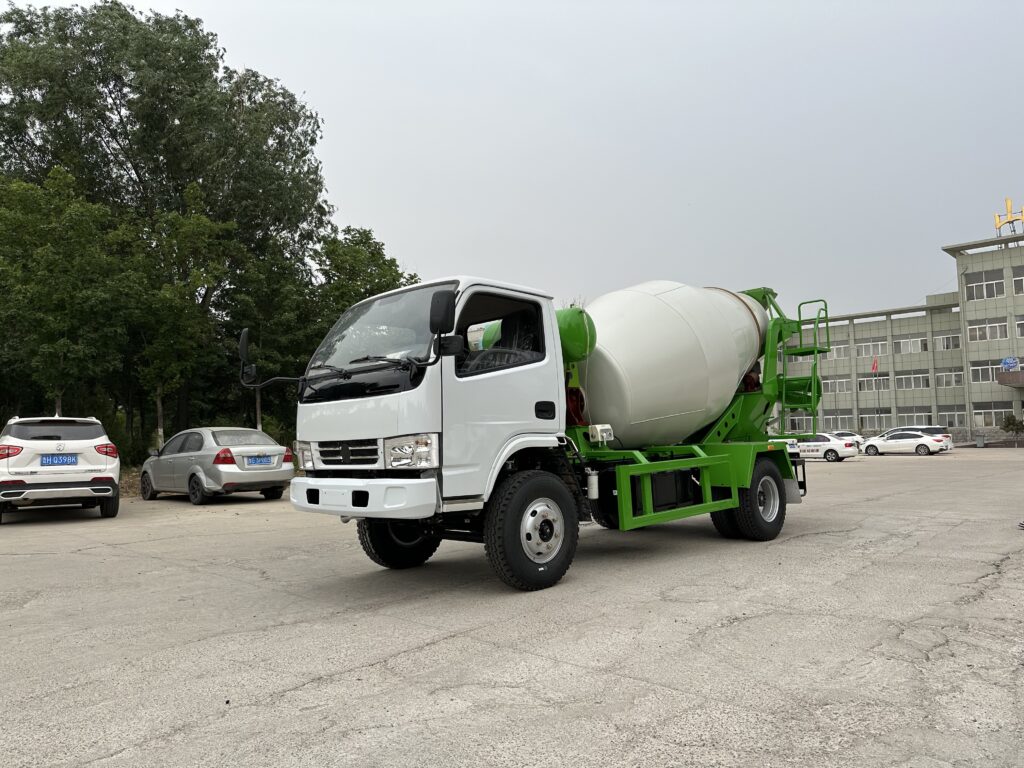

How to choose a concrete mixer truck depends on your construction projects, daily concrete demand, road conditions, and job-site space. A truck that works well for a large construction site may not be the best choice for rural house building or a narrow road project.
Before buying, think about the work you do every day. Do you mainly build houses, repair roads, work in mountainous areas, or supply concrete to different small projects? Do you need a compact truck, a heavy-duty configuration, or a customized vehicle?
This guide explains how to choose a concrete mixer truck based on different working needs, helping you find a practical configuration without paying for features you do not need
1. Choose a Concrete Mixer Truck for House Construction
House construction often involves small or medium concrete deliveries, especially in rural areas and residential developments. The work may include foundations, columns, floors, and other concrete structures.
For these projects, consider a truck that matches your usual concrete demand and can enter the construction site without difficulty.
A Small Concrete Mixer Truck can be a practical option when roads are narrow, access is limited, or concrete is needed in moderate quantities. Smaller models may also be easier to position around residential buildings, depending on their dimensions and turning requirements.
Before choosing a truck, consider:
- How much concrete you usually need for each delivery
- Whether the road to the site is paved or unpaved
- The width of the entrance and available turning space
- How far the truck must travel between loading and unloading
- Whether you need the truck for one project or multiple sites
If your work mainly involves small houses and local construction projects, start by comparing compact configurations rather than automatically choosing the largest available truck.
2. Choose a Truck for Small Construction Projects
Small contractors often work on several projects with different requirements. One day, the truck may deliver concrete to a building site. The next day, it may be used for a small commercial project or a local infrastructure job.
In this situation, flexibility matters. A truck should provide enough capacity for normal work while remaining suitable for the roads and sites you visit most often.
When comparing a Concrete Mixer Truck For Sale, look beyond the advertised drum size. Check the rated mixing capacity, overall dimensions, chassis configuration, and vehicle weight. Confirm that the truck can legally carry the required load under the regulations in your destination country.
A useful starting point is to record your typical concrete demand and the maximum amount you need for a single delivery. This helps you avoid choosing a truck that is too small for regular work or unnecessarily large for your usual orders.
If your projects vary significantly, discuss different capacity options with the manufacturer before making a decision.
3. Choose a Concrete Mixer Truck for Road Construction
Road construction and repair work can require frequent concrete deliveries to different sections of a project. Depending on the job, trucks may need to travel between the loading point and work areas several times a day.
For this type of work, consider both delivery efficiency and access conditions.
Check the following before selecting a configuration:
- Daily concrete demand and delivery frequency
- Distance between the loading point and work area
- Road width, turning space, and traffic conditions
- Ground conditions around the work zone
- Required discharge access and chute arrangement
If the project has good road access and requires larger, regular deliveries, a higher-capacity configuration may be worth considering. For smaller repair jobs or restricted work areas, a compact truck may be more practical.
The right choice depends on the actual work cycle, not simply the total concrete volume of the entire project.
4. Choose a Truck for Narrow Roads and Limited-Space Job Sites
Some construction sites are difficult to reach with a large vehicle. Examples include village roads, older residential areas, narrow entrances, and building sites surrounded by existing structures.
For these conditions, overall vehicle dimensions can be just as important as mixing capacity.
Before ordering, measure the narrowest road section, entrance width, overhead clearance, and turning area. Also check the ground clearance and the space required for safe unloading.
A Custom Concrete Mixer Truck may be worth considering when a standard configuration does not fit your site requirements. Depending on the available chassis and engineering limitations, you can discuss vehicle dimensions, drum capacity, and other configuration details with the manufacturer.
Do not focus on vehicle width alone. A truck may fit through the entrance but still have difficulty turning or positioning itself near the unloading point. Review the complete access route before confirming your order.
5. Choose a Truck for Mountains, Muddy Roads, and Rough Terrain
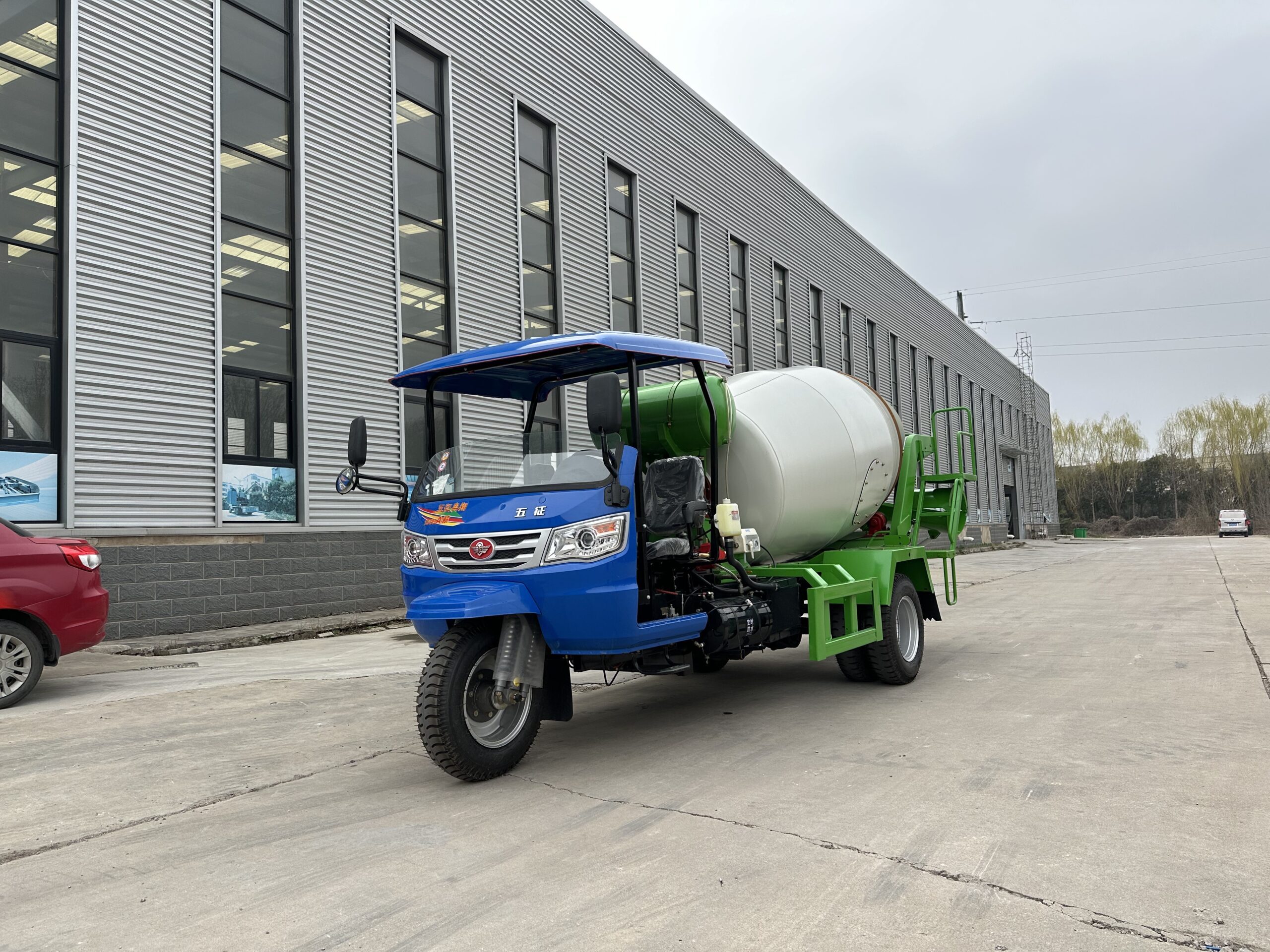
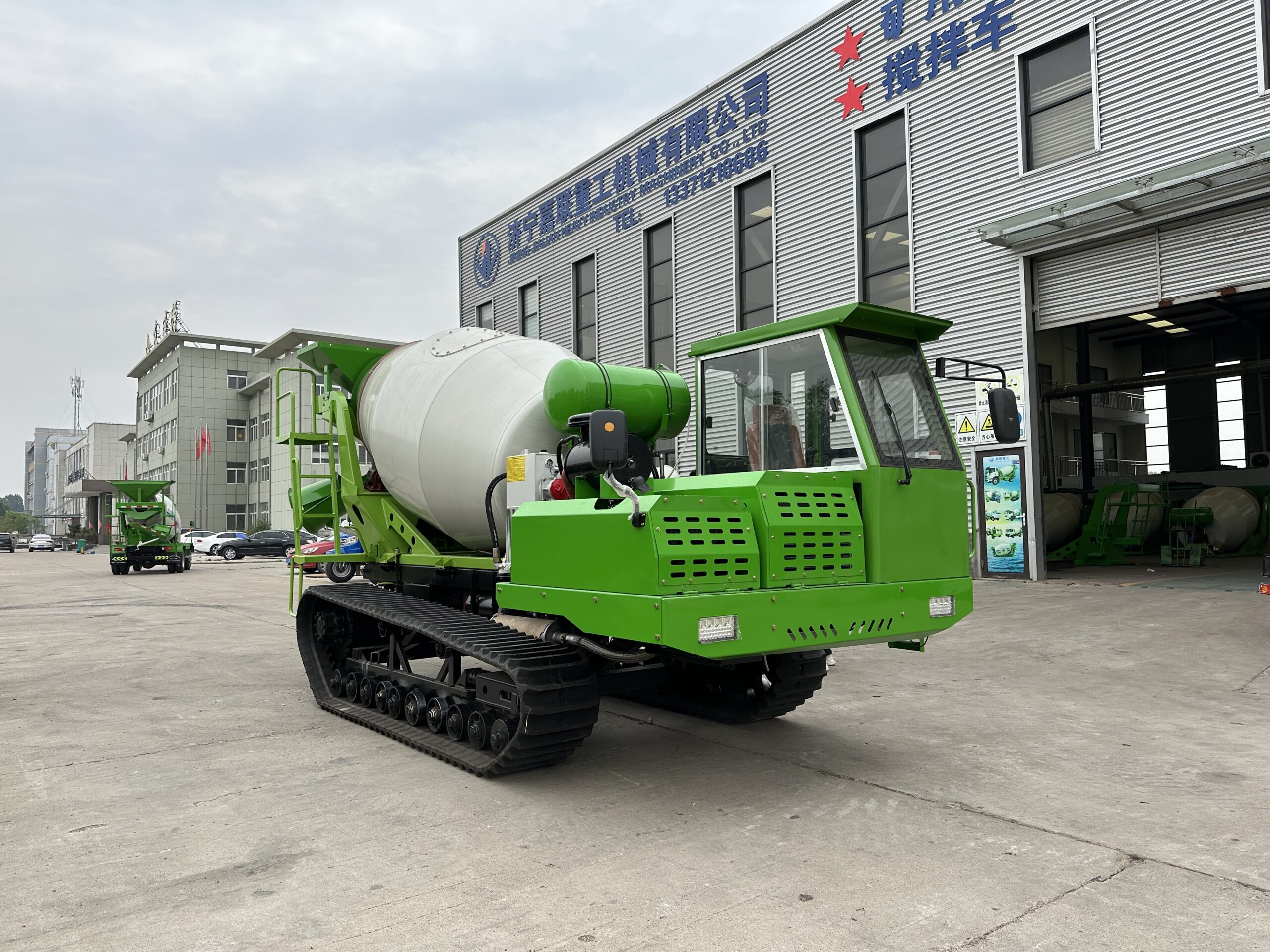
Construction projects in mountainous areas, on unpaved roads, or in muddy conditions may require a different configuration from projects on flat, paved roads.
For these working environments, consider the road gradient, traction requirements, ground clearance, chassis capability, and expected load. If the truck must travel on steep slopes or soft ground, ask the manufacturer to confirm whether the proposed drivetrain and chassis are suitable for those conditions.
A suitable configuration should be selected according to the actual route, not just the appearance of the vehicle.
Before purchasing, discuss:
- Whether the truck will operate on steep or uneven roads
- Whether muddy or soft ground is common
- How often the vehicle travels with a full load
- The required ground clearance
- The local availability of replacement parts and maintenance support
A standard truck may be sufficient for some rough-road projects, while other conditions may require a more specialized configuration. Provide clear information about the site so the manufacturer can assess your requirements.
6. Choose the Right Mixing Capacity
Capacity is one of the first things buyers compare, but the right size depends on how much concrete you need, how frequently you deliver it, and where the truck operates.
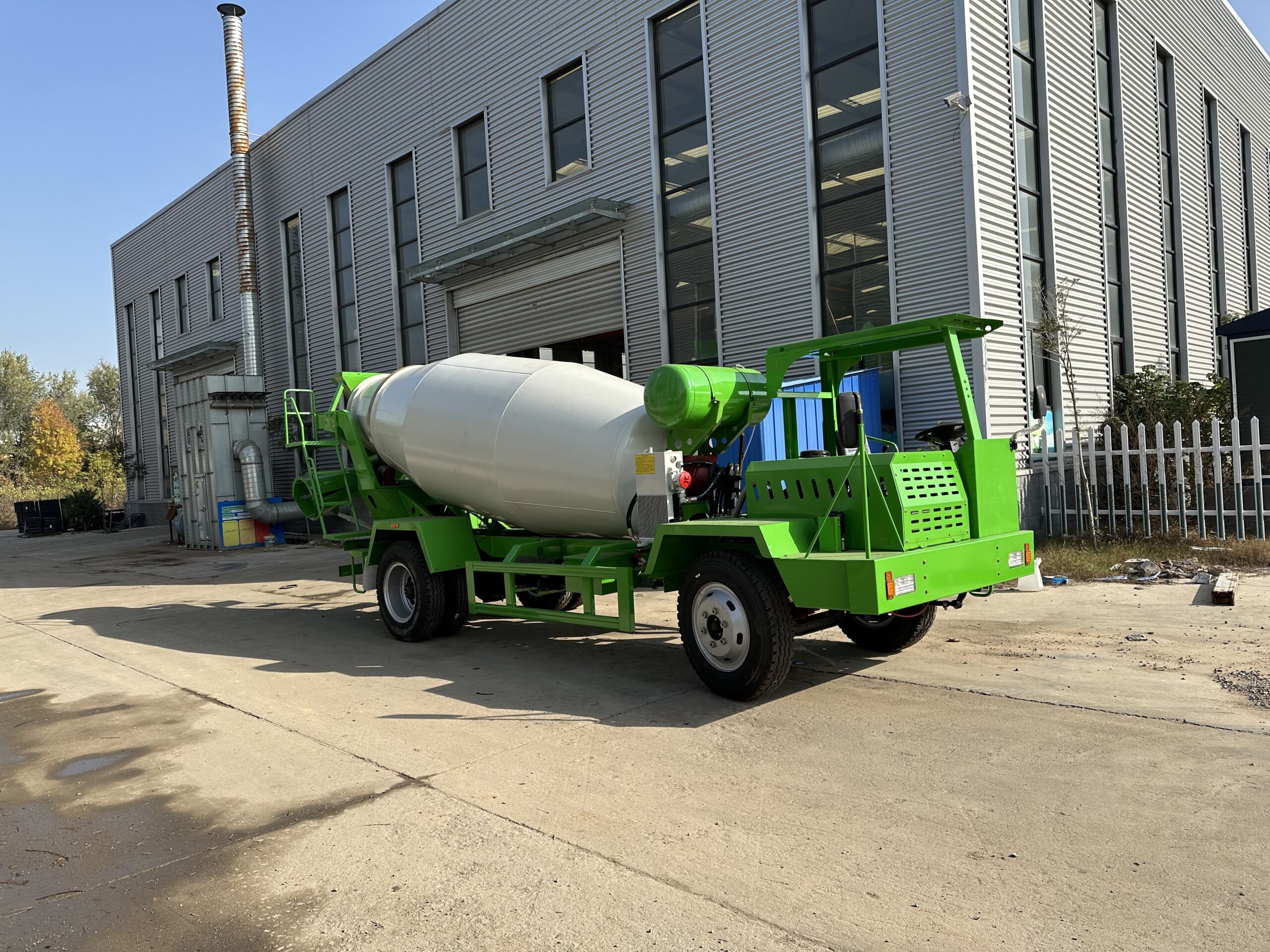
For buyers considering small concrete mixer trucks in the 2–8 m³ range, it is useful to compare several options against the actual project rather than choosing based on capacity alone.
A smaller capacity may suit projects with limited concrete demand or restricted access. A larger capacity within this range may be more appropriate when deliveries are more frequent or each job requires more concrete.
When reviewing Concrete Mixer Truck Specifications, confirm exactly what the capacity figure represents. Drum geometric volume, rated mixing capacity, and actual usable concrete output may refer to different measurements.
You should also check vehicle weight and applicable road limits. The advertised drum size does not automatically mean that the truck can legally carry the same volume of concrete in every market.
The best capacity is the one that meets your delivery needs while remaining suitable for the truck’s chassis, weight limits, and working conditions.
7. Decide Whether You Need a Complete Truck or a Mixer Body
Not every buyer needs to purchase a complete vehicle. Some customers already have a suitable chassis and only need the concrete mixing equipment.
If you already own a truck chassis, ask whether a Concrete Mixer Body can be supplied separately. Before ordering, confirm compatibility with the chassis, mounting arrangement, available space, weight limits, and hydraulic requirements.
If you need a complete truck, the chassis, engine, mixing system, and vehicle dimensions should be considered together. Buying a complete vehicle may simplify the process of selecting a matched configuration, but the final choice depends on your existing equipment and purchasing needs.
Make sure the quotation clearly states whether it covers the complete truck or only the mixer body. This helps you compare offers accurately and avoid confusion about what is included.
 8. Compare Price Based on Your Actual Requirements
The Concrete Mixer Truck Price can vary depending on capacity, chassis, engine, hydraulic system, dimensions, and customization requirements.
Instead of asking only for the cheapest model, explain what the truck needs to do. A supplier can then quote a configuration that is more relevant to your project.
When comparing prices, check:
- Whether the quotation covers a complete truck or a mixer body
- The stated capacity and chassis configuration
- The included components and equipment
- Any additional customization costs
- Payment, delivery, and shipping terms
- Available spare parts and after-sales support
A lower initial price does not always mean lower operating costs. Consider whether the configuration is suitable for your working conditions and whether the truck can be maintained locally.
For a fair comparison, request written specifications and compare trucks with similar configurations.
9. Work with a Manufacturer That Understands Your Needs
Choosing the right Concrete Mixer Truck Manufacturer can make it easier to discuss capacity, dimensions, chassis options, and special working requirements.
Before requesting a quotation, prepare a short description of your business and project. Include the type of construction work, expected concrete demand, road conditions, and destination country.
A manufacturer can use this information to discuss available models and possible customization options. If a standard model does not meet your requirements, ask which changes are technically feasible and how they may affect the final configuration and price.
You should also request clear product information, photos or videos of the relevant model, and a written quotation. Confirm the configuration before placing an order.
Good communication at this stage can help reduce misunderstandings during purchasing and delivery.
10. Use This Checklist Before Choosing Your Truck
Before making your final decision, answer these questions:
- What type of construction work will the truck mainly handle?
- How much concrete do you need for a typical delivery?
- What is the maximum capacity required for your regular projects?
- Are the roads narrow, steep, muddy, or uneven?
- Are there restrictions on vehicle height, width, or turning space?
- Do you need a complete truck or only a mixer body?
- Does the proposed chassis meet local weight and road requirements?
- Are spare parts and maintenance services available in your market?
- Does the quotation clearly describe the configuration and delivery terms?
These answers will help you narrow down the options and communicate your needs more clearly to the manufacturer.
Conclusion: Choose the Truck That Fits Your Work
How to choose a concrete mixer truck is ultimately a question of matching the vehicle to your real working conditions.
For rural house construction and small projects, a compact truck may be the practical choice. For road construction, focus on delivery cycles and site access. For narrow roads or limited-height areas, pay close attention to dimensions. For mountainous or muddy sites, review traction, ground clearance, chassis capability, and local operating conditions.
Jialian Heavy Industry supplies concrete mixer trucks and mixer bodies, with customization options based on project requirements.
If you are planning to purchase a truck, Contact Jialian Heavy Industry with your required capacity, working environment, preferred configuration, and destination country. This information will help you discuss suitable options and request a quotation for your project.