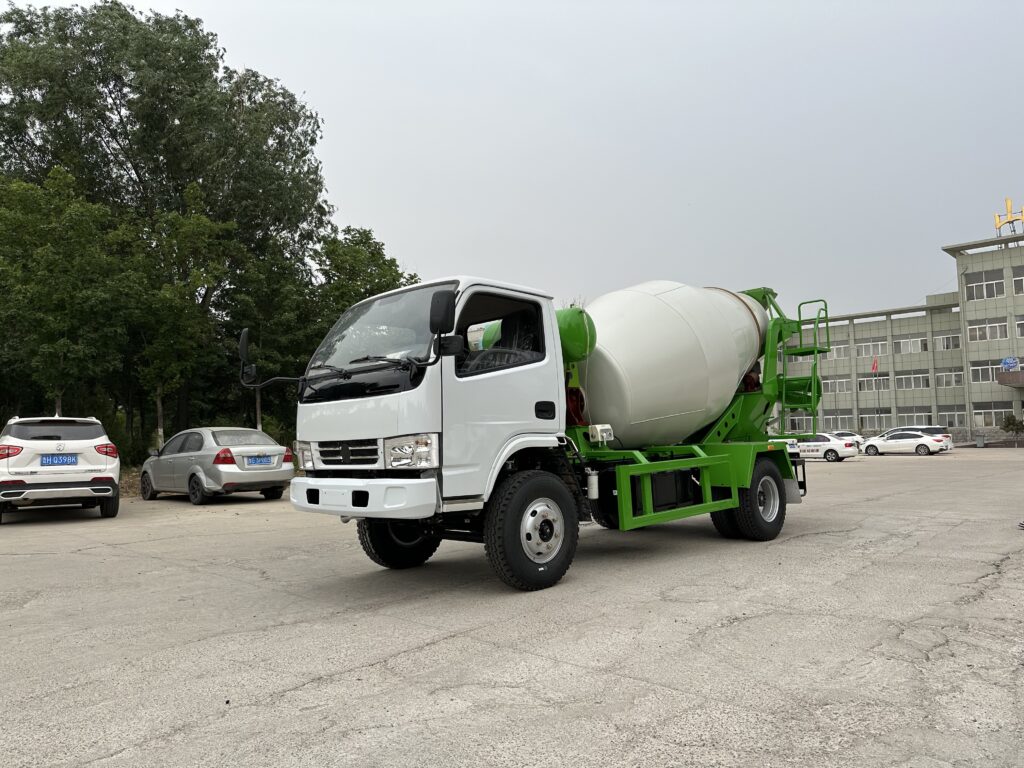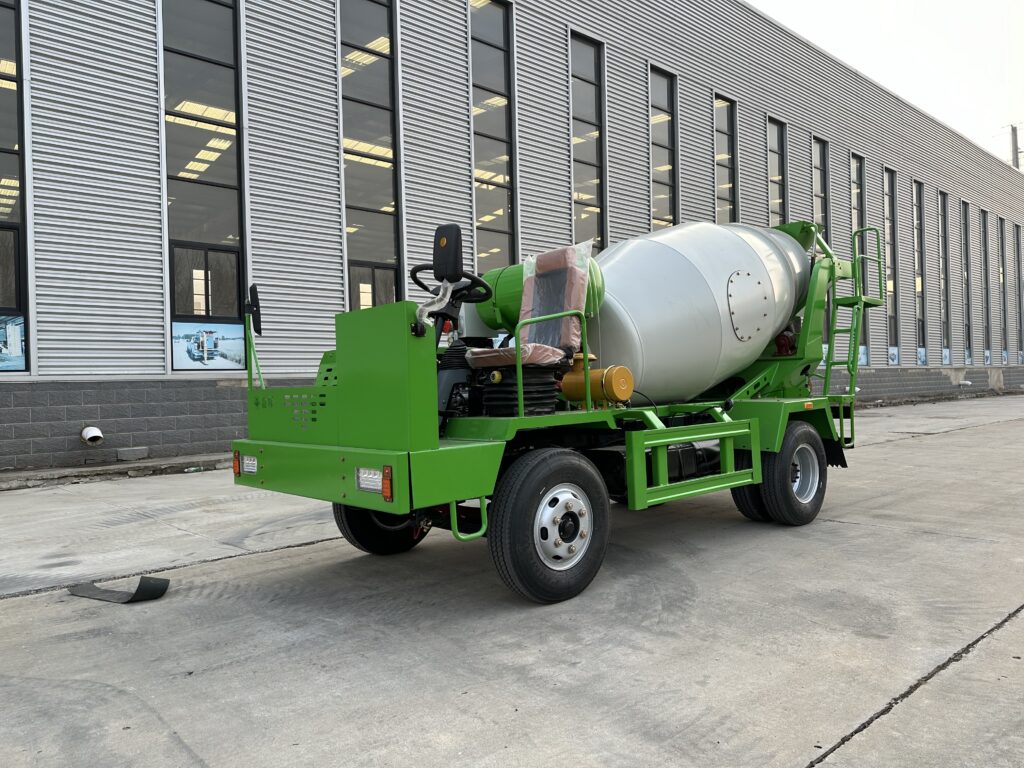
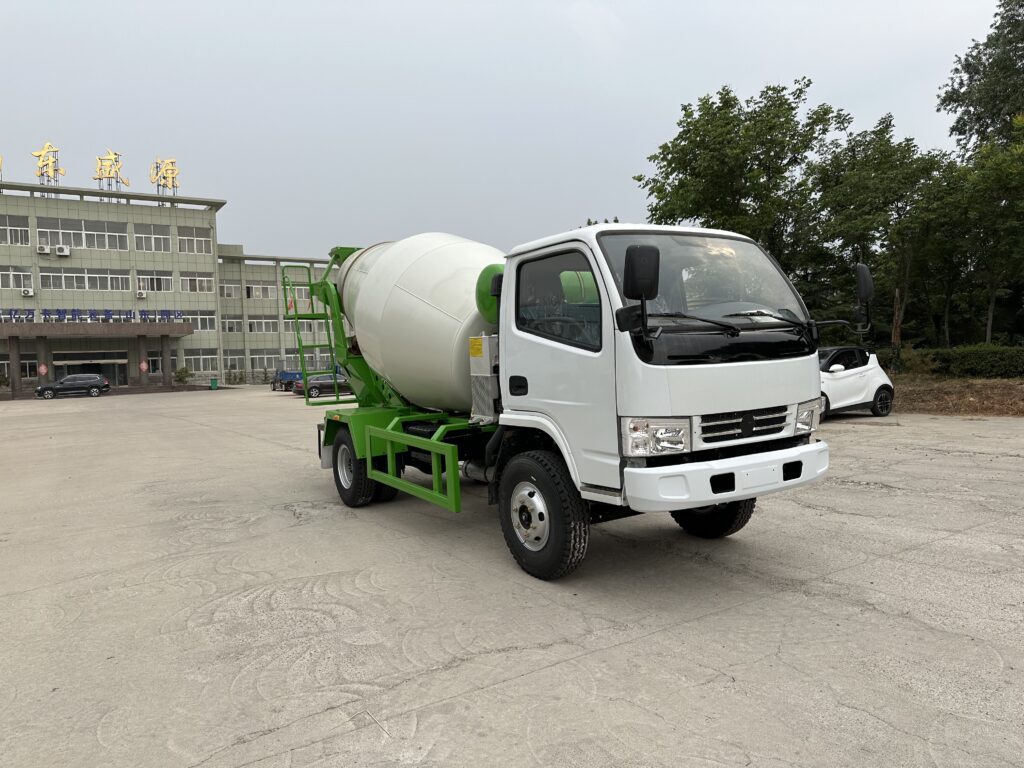
The Concrete Mixer Truck Price depends on several factors, including mixing capacity, chassis brand, engine configuration, hydraulic system, vehicle dimensions, and customization requirements. Two concrete mixer trucks may look similar but have different prices because their components, specifications, and intended applications are not the same.
For construction companies, equipment dealers, and international buyers, understanding these cost factors is essential before requesting a quotation. This guide explains what determines the price of a concrete mixer truck, how different configurations affect the final cost, and what to check when comparing offers from manufacturers.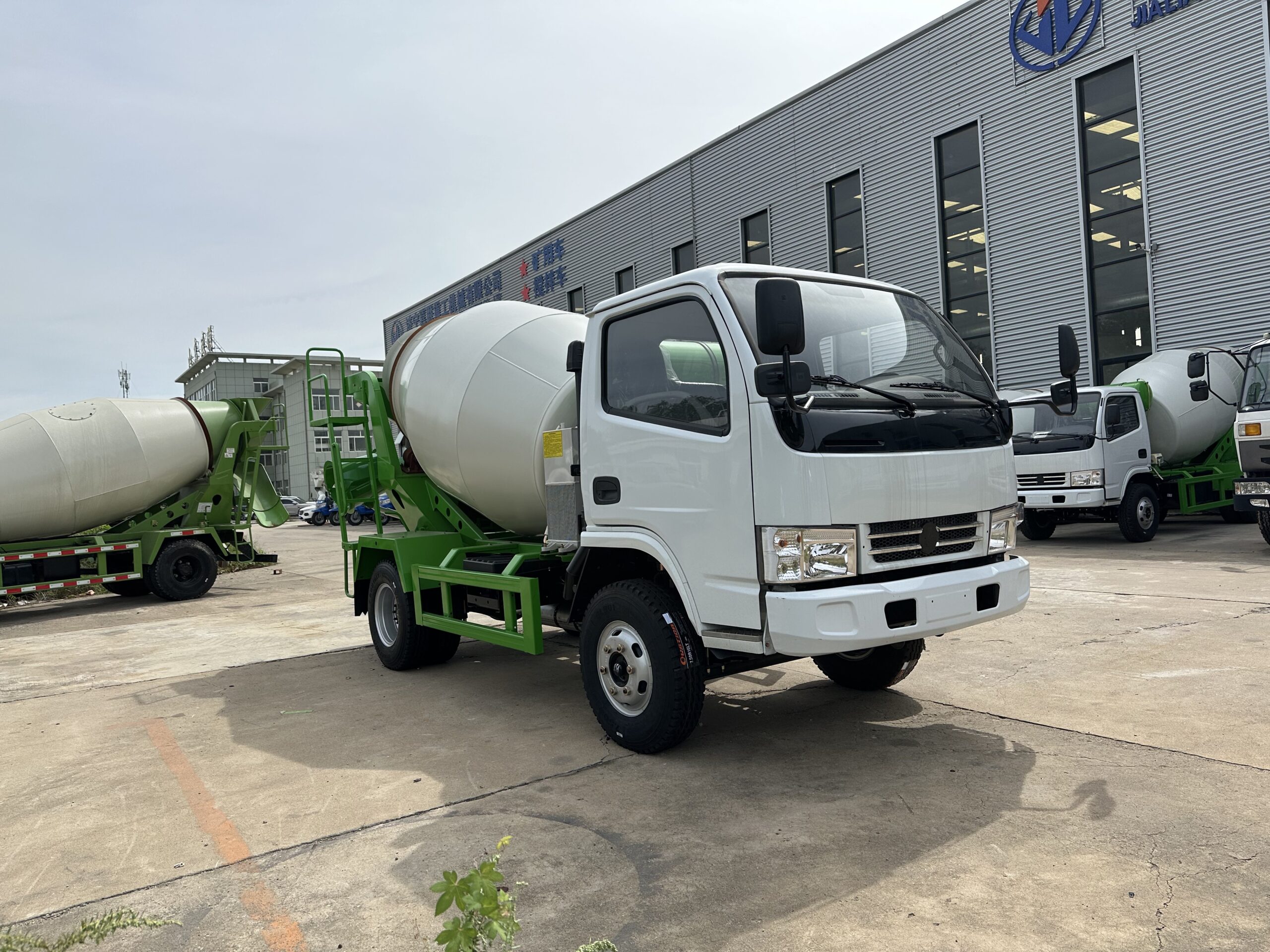
1. Mixing Capacity: A Major Factor Affecting Concrete Mixer Truck Price
Mixing capacity is one of the first specifications buyers should consider. In general, a larger truck requires a larger mixing drum and may need a stronger chassis, higher engine power, and upgraded supporting components. These requirements can increase the manufacturing cost.
However, the relationship between capacity and price depends on the truck type and overall configuration.
Small Concrete Mixer Trucks
Small concrete mixer trucks are often considered for residential construction, rural building projects, small road works, and other applications where a compact vehicle is preferred.
Their overall dimensions, chassis selection, and equipment configuration affect the final price. Buyers should compare the rated mixing capacity, vehicle size, and working requirements rather than choosing a model based on capacity alone.
Medium and Large Concrete Mixer Trucks
Larger trucks may be suitable for projects that require greater concrete volumes per trip. Their prices can be affected by chassis load capacity, axle configuration, engine power, drum structure, and related components.
A larger truck is not automatically the most economical choice. The vehicle must match the project’s access conditions, transport requirements, and local road regulations.
Self-Loading Concrete Mixers
A self-loading concrete mixer is different from a conventional transit mixer truck. Depending on the model, it may combine aggregate loading, weighing, mixing, water dosing, and concrete transportation in one machine.
Its price may therefore include additional systems such as a loading bucket, weighing equipment, and water supply components. When comparing prices, make sure you are comparing the same type of machine and a clearly defined set of functions.
2. Chassis Brand and Configuration
The chassis is another important factor affecting concrete mixer truck price. It supports the mixing equipment and determines many of the vehicle’s basic characteristics.
The final cost can vary according to:
- Chassis brand and model
- Drive configuration
- Axle capacity and arrangement
- Transmission type
- Suspension and braking systems
- Tire specifications
- Cab configuration
Different projects may require different chassis solutions. A vehicle designed for regular road transportation may have different requirements from one intended for narrow roads, rough terrain, or restricted-access construction sites.
When requesting a quotation, specify your preferred chassis brand if you have one. If you do not have a preference, provide information about your road conditions, required capacity, and intended application so the manufacturer can recommend a suitable configuration.
3. Engine Power and Emission Requirements
Engine specifications can also influence the purchase price.
The engine must be appropriate for the truck’s overall weight, working conditions, and operating requirements. Buyers should consider engine brand, rated power, fuel type, emission standard, and the availability of local maintenance services.
A truck intended for a market with specific emission requirements may need a different engine configuration from one intended for another market. Fuel quality and the availability of replacement parts are also worth checking before making a decision.
When comparing quotations, do not compare engine power figures alone. Confirm the engine model, emission specification, and other relevant details in writing.
4. Hydraulic System and Mixing Drum Configuration
The hydraulic system and mixing drum are essential components of a concrete mixer truck. Their specifications can influence both the initial purchase price and future maintenance requirements.
Hydraulic System
Depending on the truck design, the hydraulic system may include a pump, motor, control valves, hoses, and related components. The configuration and component brands can affect the quotation.
If you have specific requirements for hydraulic components, tell the manufacturer before ordering. Ask for the main component models and confirm which brands are included in the quoted configuration.
Mixing Drum and Internal Structure
The drum’s capacity, design, materials, and internal mixing blades can affect manufacturing costs. The required configuration depends on the truck model and its intended working conditions.
When comparing two trucks, ask for relevant drum specifications rather than judging the product only by its external appearance.
Buyers should also confirm the expected maintenance requirements and the availability of replacement parts for key components.
5. Vehicle Dimensions and Customization Requirements
Standard configurations are not suitable for every project. Some buyers need vehicles designed around specific road conditions, site entrances, or operating requirements.
Customization may include:
- Adjusting overall vehicle height, width, or length
- Selecting a suitable chassis configuration
- Changing the mixing capacity
- Choosing a particular cab or driving arrangement
- Modifying the discharge structure
- Selecting specific hydraulic or auxiliary equipment
These modifications may affect the final concrete mixer truck price because they can require different components, additional engineering, or changes to the production process.
For example, a project with a low entrance clearance may require a different vehicle layout from a project with no height restrictions. A tunnel or mining application may also need a specialized configuration.
Not every modification is suitable for every chassis. The manufacturer should evaluate technical feasibility before confirming the final specifications and price.
6. Manufacturing Quality and Component Selection
The quality and specification of the components used in a truck can contribute to price differences between suppliers.
When reviewing an offer, consider the following:
- Main chassis and engine specifications
- Hydraulic component brands and models
- Drum materials and structural design
- Electrical and control components
- Assembly and inspection procedures
- Warranty terms and spare-parts availability
A lower quotation is not necessarily the better deal if important components are different or the quoted scope is incomplete.
Ask suppliers to provide a written specification sheet. This allows you to compare the same items across different offers and identify whether a price difference comes from the configuration, included equipment, or commercial terms.
7. Shipping, Import Duties, and Other Costs
For international buyers, the factory price is only one part of the total purchasing cost.
Depending on the agreed delivery terms and destination, additional expenses may include:
- Inland transportation to the departure port
- Ocean freight or other international transportation
- Cargo insurance
- Import duties and taxes
- Port handling and customs clearance
- Local delivery and registration
- Inspection, commissioning, or operator training, if required
Not every quotation includes the same items. One supplier may quote a factory price, while another may include transportation to a specified port.
When comparing offers, confirm the Incoterms rule, named location, included services, and excluded costs. This helps you understand the actual amount you may need to pay to receive the truck at your destination.
For accurate budgeting, ask the supplier to separate the truck price from optional equipment and shipping-related charges wherever possible.
8. How to Compare Concrete Mixer Truck Quotations
Comparing quotations is easier when every supplier receives the same basic requirements.
Use the following checklist when requesting prices:
| Item | What to Confirm |
|---|---|
| Truck type | Conventional mixer truck, self-loading mixer, crawler mixer, or another configuration |
| Mixing capacity | Required rated capacity and output |
| Chassis | Brand, model, drive configuration, and axle arrangement |
| Engine | Brand, model, rated power, and emission standard |
| Hydraulic system | Main component specifications and brands |
| Vehicle dimensions | Overall length, width, and height |
| Customization | Required modifications and optional equipment |
| Delivery terms | Factory delivery, port delivery, or another agreed location |
| Warranty | Coverage, duration, and exclusions |
| Spare parts | Availability and ordering arrangements |
Do not compare prices until you have confirmed that the main specifications are equivalent. Otherwise, the lowest quotation may simply represent a different vehicle configuration or a smaller scope of supply.
9. Why Request a Quote Directly from a Manufacturer?
Contacting a manufacturer directly allows buyers to discuss product specifications, configuration options, and customization requirements with the company responsible for production.
At Jialian Heavy Industry, we focus on concrete mixer trucks for different construction applications. Depending on the selected model and technical feasibility, buyers can discuss options related to mixing capacity, chassis, vehicle dimensions, hydraulic components, and other configurations.
If your project requires a compact truck, a specialized vehicle, or a customized mixing solution, providing clear requirements helps us evaluate the available options.
When requesting a quotation, share your intended application, required capacity, destination country, preferred chassis, and any dimensional restrictions. We can then discuss a suitable configuration and prepare a quotation based on your requirements.
10. Get a Concrete Mixer Truck Price Based on Your Requirements
There is no single price that applies to every concrete mixer truck. The final cost depends on the truck type, mixing capacity, chassis, engine, hydraulic system, vehicle dimensions, component selection, customization, and delivery arrangements.
To receive a more accurate quotation, prepare the following information:
- Required capacity: What mixing capacity do you need?
- Application: Will the truck be used for residential construction, road work, mining, or another project?
- Chassis requirements: Do you have a preferred brand or drive configuration?
- Dimensions: Are there height, width, or length restrictions?
- Customization: Do you need special equipment or a modified configuration?
- Destination: Which country and port will receive the truck?
- Quantity: How many units do you plan to purchase?
The more clearly you define your requirements, the easier it is to compare quotations and select a suitable vehicle.
Looking for a concrete mixer truck for your project? Contact Jialian Heavy Industry to discuss your specifications and request a quotation based on your actual needs.