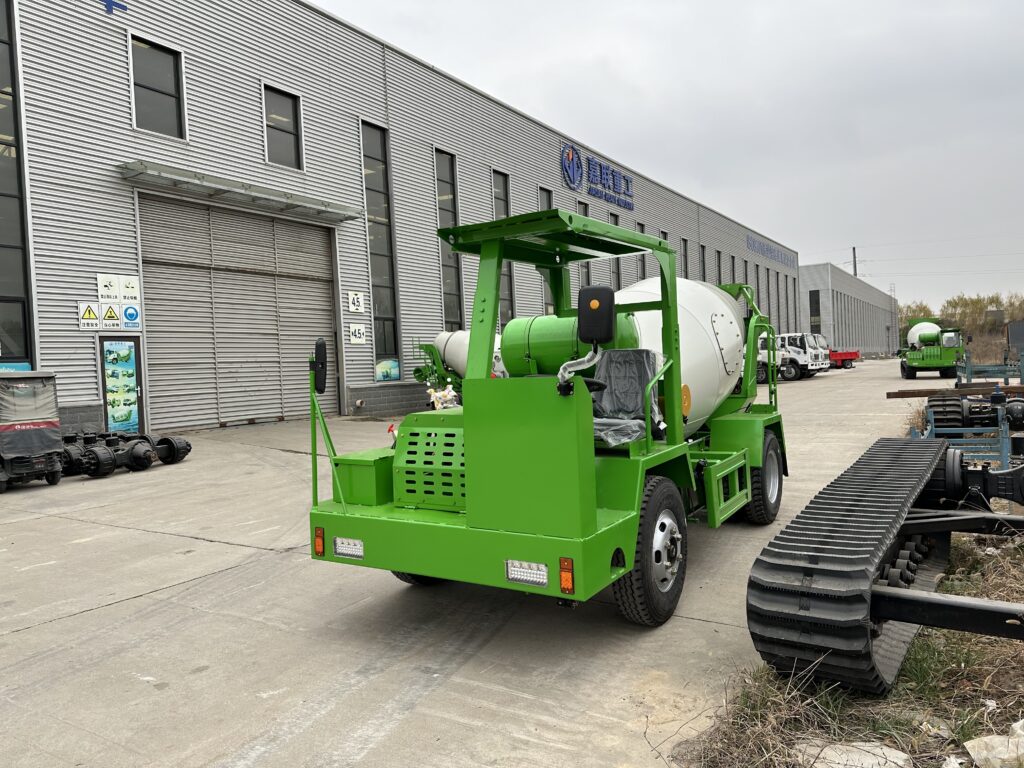

When comparing Concrete Mixer Truck Specifications, buyers need to look beyond the truck’s appearance and advertised capacity. Engine performance, chassis configuration, mixer drum design, hydraulic system and overall dimensions all affect whether a truck is suitable for a particular construction project.
Two concrete mixer trucks may have similar capacities but different technical configurations. One may be designed for conventional road transportation, while another may need a compact body, a different drivetrain or customized dimensions for restricted construction sites.
Understanding the main specifications helps contractors, equipment dealers and construction companies compare models more accurately before requesting a quotation.
This guide explains the six key areas to check when choosing a concrete mixer truck: capacity, engine, chassis, mixer drum, hydraulic system and vehicle dimensions. It also explains how these specifications work together when selecting a standard or customized truck.
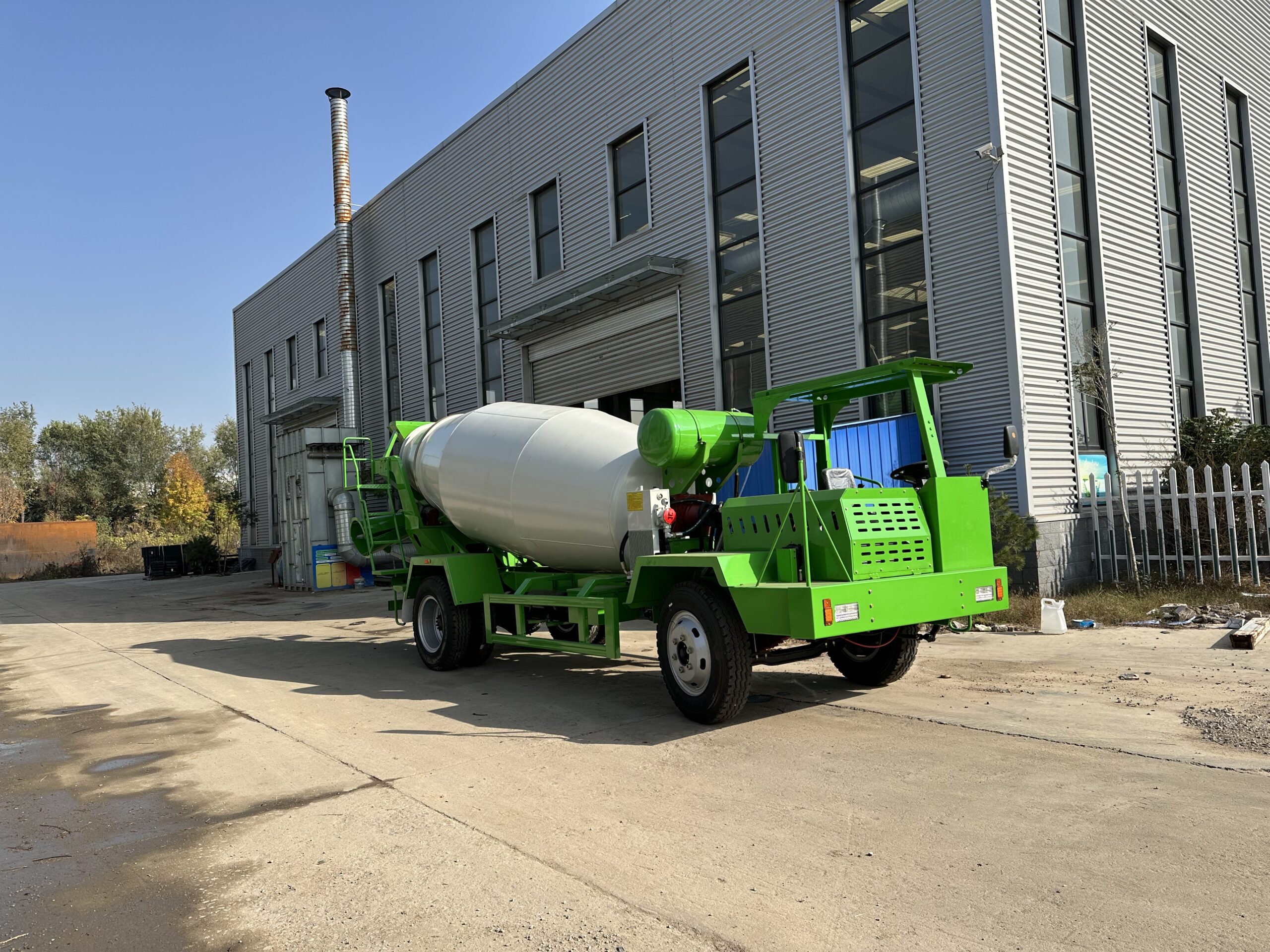
1. Concrete Mixer Truck Capacity
Capacity is one of the first specifications buyers should check when comparing concrete mixer trucks. However, it is important to understand what the stated capacity actually represents.
Depending on the manufacturer and model, a specification may refer to the drum’s geometric volume, rated mixing capacity or another defined capacity. These figures should not automatically be treated as interchangeable.
When evaluating Concrete Mixer Truck Capacity, confirm the manufacturer’s stated rating and how it relates to the intended operating conditions.
How to Choose the Right Capacity
The appropriate capacity depends on several factors:
-
Concrete demand per batch
-
Total daily concrete requirements
-
Transportation distance
-
Number of planned trips
-
Available working space
-
Road width and access conditions
-
The truck’s permitted loading limits
For example, a project requiring relatively small quantities of concrete at different locations may benefit from a compact truck. A project with greater concrete demand may require a larger mixer configuration, provided the chassis and road conditions are suitable.
A larger drum is not automatically the better choice. The complete vehicle must be capable of carrying and operating with the intended load within applicable limits.
Buyers comparing different models should review the Concrete Mixer Truck Capacity Guide to understand how capacity relates to project requirements.
Questions to Ask About Capacity
Before ordering, confirm:
-
What does the stated capacity measure?
-
What is the rated mixing capacity?
-
What is the total vehicle configuration?
-
Does the chassis support the intended operating load?
-
Are there restrictions on vehicle dimensions or road access?
These questions help buyers avoid choosing a truck based on a capacity number alone.
2. Concrete Mixer Truck Engine Specifications
The engine supplies power for vehicle movement and, depending on the truck design, the systems used to operate the mixer.
When checking Concrete Mixer Truck Engine specifications, horsepower is only one part of the comparison. Buyers should also consider torque, rated operating speed, fuel type, emissions requirements and compatibility with the selected chassis and drivetrain.
Important Engine Parameters
Common engine specifications include:
Engine power: Indicates the engine’s rated power output. The required power depends on the vehicle configuration, operating load and working conditions.
Torque: Influences the engine’s ability to deliver rotational force under load. Torque characteristics should be evaluated alongside the transmission and drivetrain.
Fuel type: Diesel engines are commonly used in heavy commercial vehicles, but the appropriate choice depends on the available models and local operating requirements.
Emissions standard: The engine must meet the applicable regulations in the destination market.
Cooling system: Operating conditions, ambient temperature and workload can influence cooling requirements.
Serviceability: Parts availability, maintenance access and local repair support are important considerations for buyers planning long-term operation.
How to Match the Engine to the Project
A truck operating mainly on paved roads may have different power requirements from one working on steep access roads or rough construction routes.
However, selecting an engine with higher rated power alone does not guarantee better performance. The engine, transmission, axle configuration, vehicle weight and hydraulic requirements must be considered together.
When requesting a quotation, provide the intended application and road conditions so the manufacturer can recommend a suitable configuration.
 3. Concrete Mixer Truck Chassis Specifications
The chassis is the foundation of the complete vehicle. It supports the engine, cab, mixer assembly and other components, while also influencing vehicle dimensions, load distribution and driving characteristics.
A suitable Concrete Mixer Truck Chassis should match the intended mixer capacity and operating environment.
Key Chassis Parameters
When comparing chassis specifications, check the following:
|
Parameter |
Why It Matters |
|---|---|
|
Wheelbase |
Influences vehicle layout, turning characteristics and overall length |
|
Axle configuration |
Affects load distribution and drivetrain options |
|
Gross vehicle weight rating |
Defines the manufacturer’s specified maximum vehicle weight |
|
Engine and transmission |
Determine important aspects of power delivery |
|
Tire configuration |
Influences traction, load capacity and road suitability |
|
Ground clearance |
Affects clearance over uneven surfaces |
|
Frame design |
Must be suitable for the vehicle’s intended loads and configuration |
The actual specifications and limits should be confirmed with the vehicle manufacturer and chassis documentation.
Chassis Selection for Different Working Conditions
For projects using established paved roads, a conventional road-going chassis may be appropriate.
For construction sites with rough roads, steep approaches or uneven ground, buyers may need to consider drivetrain options, tire selection, ground clearance and axle configuration more carefully.
For sites with narrow entrances or limited turning space, wheelbase and overall vehicle dimensions may be especially important.
A chassis should not be selected independently of the mixer drum. The complete vehicle configuration needs to be evaluated to ensure that the proposed combination is technically suitable.
4. Concrete Mixer Drum Specifications
The mixer drum is the component that holds and mixes concrete during operation. Its capacity, shape, internal mixing components and rotation system influence the truck’s intended operating characteristics.
When reviewing Concrete Mixer Drum Specifications, buyers should distinguish between drum volume and rated mixing capacity.
What to Check on the Mixer Drum
Drum capacity: Confirm the stated volume and rated mixing capacity rather than assuming that every capacity figure means the same thing.
Drum dimensions: Diameter, length and overall layout affect how the drum fits within the complete vehicle.
Internal mixing blades: Their arrangement is related to the mixing and discharge design.
Drum material and construction: Ask the manufacturer about the materials, fabrication and maintenance requirements for the proposed model.
Rotation system: Confirm how the drum is driven and controlled.
Discharge arrangement: The outlet design should suit the intended concrete placement method and working space.
Why Drum Configuration Matters
A truck with a larger drum may require a different chassis layout or overall vehicle dimensions. A compact vehicle may need a more carefully coordinated drum design to balance capacity with available space.
Buyers should also explain whether the truck will discharge concrete into a specific area, work close to structures or operate in a confined location.
If a standard drum arrangement does not meet the requirements, a Custom Concrete Mixer Truck may offer options for discussing the mixer body and overall configuration with the manufacturer.
5. Concrete Mixer Truck Hydraulic System Specifications
The hydraulic system is an important part of many concrete mixer truck designs. Depending on the model, it may provide the power and control needed for drum rotation and other hydraulic functions.
When reviewing the Concrete Mixer Truck Hydraulic System, buyers should look at the complete system rather than focusing on one component.
Main Hydraulic Components
A typical hydraulic arrangement may include:
-
Hydraulic pump
-
Hydraulic motor
-
Hydraulic oil reservoir
-
Control valves
-
Hydraulic hoses and connections
-
Filtration components
-
Cooling components, where fitted
The exact arrangement varies according to the truck design and the functions the system needs to perform.
What Specifications Should Buyers Check?
Pump and motor model: Confirm the selected components and their compatibility with the system.
Flow and pressure ratings: These must be appropriate for the intended hydraulic functions and the manufacturer’s design.
Control method: Understand how the operator controls drum rotation and other hydraulic functions.
Cooling and filtration: Confirm the provisions used to manage hydraulic oil temperature and contamination.
Maintenance access: Check whether routine inspection and servicing can be carried out conveniently.
Replacement parts: Ask about the availability of compatible hydraulic components and service support.
Why the Hydraulic System Must Match the Truck
The hydraulic system needs to be matched to the drum drive and other equipment fitted to the vehicle. Choosing a pump or motor based on a single advertised value may not establish whether the complete system is suitable.
For procurement, request the manufacturer’s specifications for the proposed configuration and confirm which hydraulic components are included in the quotation.
6. Concrete Mixer Truck Dimensions
Overall dimensions are especially important when a truck must enter a restricted construction site or travel along narrow roads.
When checking Concrete Mixer Truck Dimensions, buyers should consider the complete vehicle, including the cab, chassis, mixer drum and any equipment that affects the external envelope.
The Main Dimensions to Check
Overall length: Affects parking, maneuvering and turning space.
Overall width: Determines whether the vehicle can pass through narrow entrances or restricted road sections.
Overall height: Matters when entering areas with overhead obstacles, low bridges or height restrictions.
Wheelbase: Influences the vehicle layout and maneuverability.
Ground clearance: Helps determine whether the underside of the vehicle has adequate clearance over the intended road surface.
Turning space: The available turning area must be considered alongside the vehicle’s wheelbase and steering configuration.
How to Choose Dimensions for the Jobsite
For a site with a narrow entrance, measure the usable road width rather than relying only on the nominal width of the entrance. Allow for obstacles, bends and the space required to maneuver.
For a low-clearance site, confirm the maximum permitted height and compare it with the complete vehicle’s specified overall height.
For mountain roads or uneven construction routes, dimensions should be considered alongside ground clearance, drivetrain, tire configuration and road geometry.
If standard dimensions do not fit the site, ask whether the chassis, mixer body or overall configuration can be customized. Any dimensional changes must remain compatible with the vehicle’s structural, weight, safety and regulatory requirements.
7. How the Main Specifications Work Together
The six specification areas should not be evaluated separately.
For example, increasing mixer capacity may affect vehicle weight, chassis requirements and overall dimensions. Changing the chassis can affect wheelbase, ground clearance and available space for the mixer drum. The hydraulic system must also be compatible with the drum drive and other fitted functions.
The following table summarizes the relationship between the main parameters.
|
Specification |
Main Consideration |
What to Confirm |
|---|---|---|
|
Capacity |
Concrete demand |
Rated mixing capacity and operating limits |
|
Engine |
Power delivery |
Power, torque, emissions and serviceability |
|
Chassis |
Vehicle support and movement |
Weight rating, wheelbase and axle configuration |
|
Mixer drum |
Mixing and discharge |
Capacity, dimensions, construction and drive |
|
Hydraulic system |
Hydraulic functions |
Pump, motor, pressure, flow and maintenance |
|
Dimensions |
Site access |
Length, width, height and turning space |
This is why a complete technical specification sheet is more useful than a product description that only lists the mixer capacity.
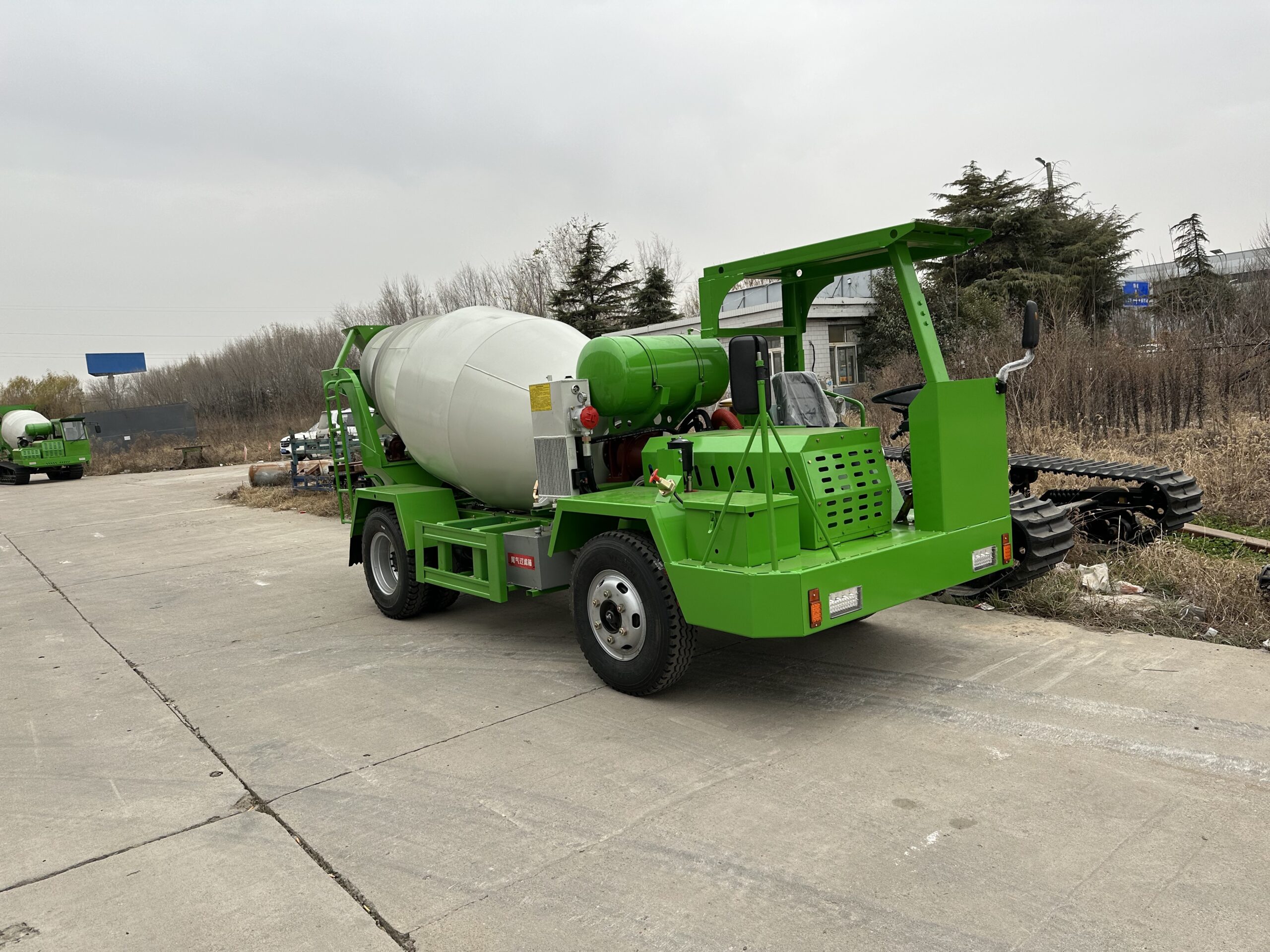 8. Standard vs. Customized Concrete Mixer Truck Specifications
Standard configurations can be suitable when the available model matches the project’s requirements.
However, some buyers need a particular combination of capacity, chassis, dimensions or discharge arrangement. In these cases, it is worth discussing customization before placing an order.
Common customization requests may include:
-
Different mixer capacities
-
Specific chassis options
-
Adjusted vehicle width or height
-
Different drivetrain configurations
-
Customized mixer body arrangements
-
Alternative discharge configurations
-
Project-specific equipment
Not every requested change is feasible for every model. The manufacturer should review the requirements and confirm which options are technically possible.
A useful approach is to prepare a list of mandatory requirements and preferred options. This allows the supplier to identify a suitable existing model or discuss a customized solution.
9. How to Compare Concrete Mixer Truck Specifications Before Buying
When comparing quotations from different suppliers, use the same checklist for each truck.
-
Confirm the capacity. Check the meaning of the stated capacity and the rated mixing volume.
-
Compare the engine. Review power, torque, emissions compliance and service support.
-
Review the chassis. Check wheelbase, axle configuration and vehicle weight limits.
-
Inspect the drum specifications. Compare capacity, construction, rotation and discharge arrangements.
-
Check the hydraulic system. Confirm the components and relevant system ratings.
-
Measure the vehicle dimensions. Compare length, width and height with the jobsite limits.
-
Review the complete configuration. Identify which components and options are included in the quotation.
-
Confirm customization options. Ask the manufacturer to review any special requirements.
-
Check after-sales support. Ask about maintenance guidance, spare parts and warranty terms.
-
Compare the complete offer. Evaluate the configuration and terms, not just the headline price.
This process makes it easier to identify differences between quotations and reduces the risk of comparing vehicles with substantially different specifications.
10. Request a Concrete Mixer Truck Specification and Quotation
Before requesting a quotation, prepare the information below so the manufacturer can assess your requirements.
-
Required capacity: Your preferred mixing capacity.
-
Project application: The type of construction work.
-
Road conditions: Paved roads, rough roads, steep approaches or other conditions.
-
Vehicle dimensions: Maximum acceptable length, width and height.
-
Chassis requirements: Preferred chassis brand or configuration, if any.
-
Engine requirements: Any applicable power, fuel or emissions requirements.
-
Hydraulic and drum requirements: Any specific technical preferences.
-
Discharge requirements: Where and how concrete needs to be discharged.
-
Quantity: The number of trucks required.
-
Destination market: The country where the vehicle will be used, so relevant regulatory requirements can be considered.
With these details, the manufacturer can review the requested specifications and advise which standard or customized configurations may be suitable.
Conclusion: Choose Specifications That Match Your Project
Understanding Concrete Mixer Truck Specifications is an important step in purchasing the right vehicle. Capacity determines how much concrete the truck is designed to mix, while the engine, chassis, drum, hydraulic system and overall dimensions determine whether the complete configuration fits the intended application.
Rather than choosing a truck based on capacity or price alone, compare the full specification sheet and consider the conditions in which the vehicle will operate.
If standard specifications do not meet your requirements, discuss customization with the manufacturer before ordering.
Looking for a concrete mixer truck with specific capacity, engine, chassis, drum, hydraulic system or dimensions? Contact us with your project requirements to discuss the available configurations and request a quotation.