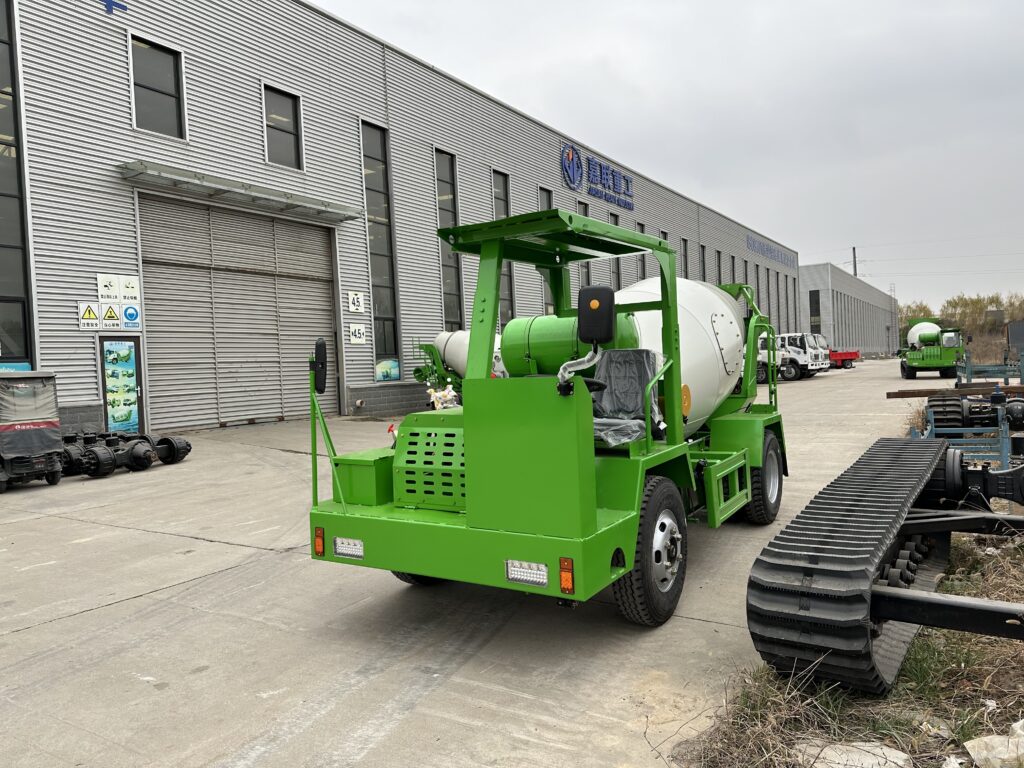

When comparing Concrete Mixer Truck Price, buyers often notice that different trucks can have very different quotations, even when they appear similar in size. The reason is that the final price depends on more than the mixer drum. Chassis selection, mixer capacity, engine, drivetrain, hydraulic system, discharge configuration and customization requirements can all affect the total cost.
For contractors, construction companies and equipment distributors, understanding these factors makes it easier to compare suppliers and choose a truck that fits the project budget. Instead of selecting a truck based only on its initial price, buyers should compare its complete specifications, working requirements and included equipment.
This guide explains why chassis, capacity, configuration and customization affect concrete mixer truck cost, what to check before requesting a quotation, and how to choose a suitable truck without paying for unnecessary features.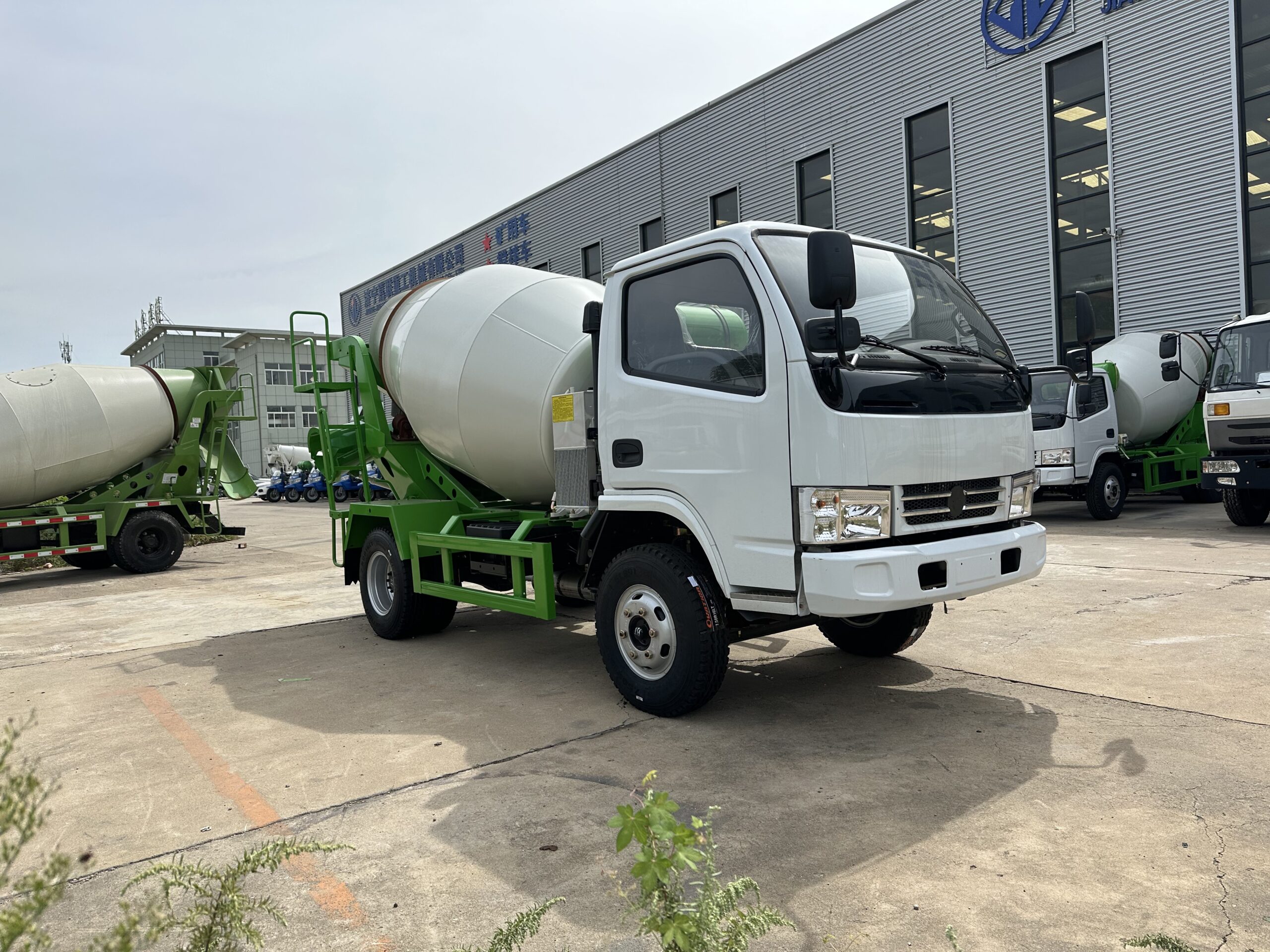
What Determines Concrete Mixer Truck Price?
The price of a concrete mixer truck is determined by the complete vehicle configuration. Two trucks with similar-looking mixer drums may use different chassis, engines, hydraulic components or drive systems. These differences can lead to different manufacturing costs and quotations.
The main factors affecting price include:
- Chassis brand, model and load rating
- Mixer drum capacity and construction
- Engine and drivetrain
- Hydraulic system and control components
- Vehicle dimensions and axle configuration
- Discharge system and additional equipment
- Customization requirements
- Order quantity and delivery arrangements
When comparing a Concrete Mixer Truck For Sale, ask the supplier to provide a detailed specification list. This allows you to understand what is included in the quotation and identify differences between competing offers.
 1. How the Chassis Affects Concrete Mixer Truck Price
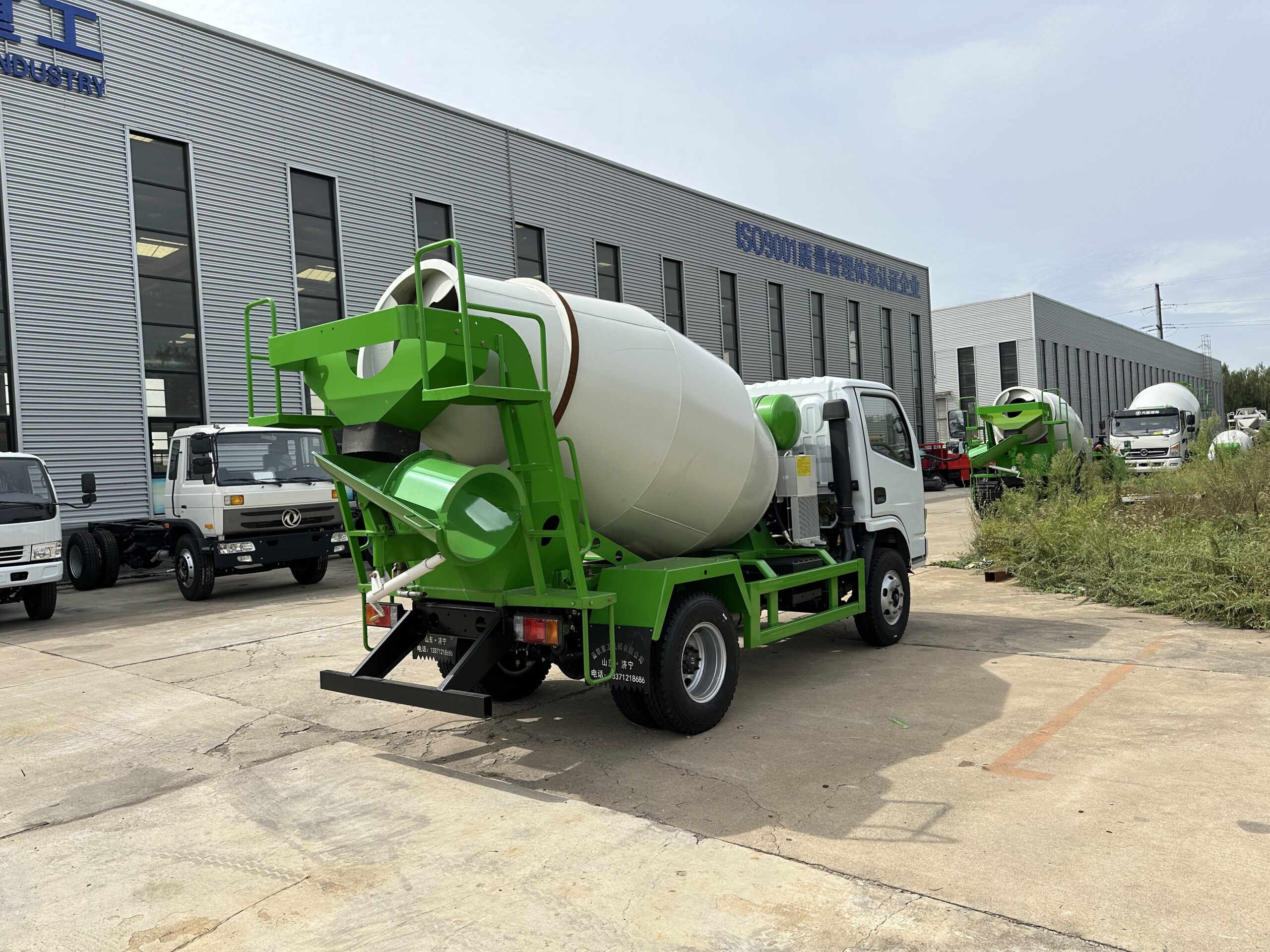
The chassis is one of the main components affecting the overall price of a concrete mixer truck. It supports the mixer body and other equipment, and it must be suitable for the vehicle’s intended operating conditions.
Different chassis models can vary in purchase cost, engine output, axle configuration, wheelbase, load rating and drivetrain. These differences affect both the initial price and the suitability of the truck for a particular project.
Chassis Brand and Model
Different chassis manufacturers offer different vehicle platforms and specifications. A chassis with a particular brand, engine, transmission or axle arrangement may cost more than another option.
When comparing chassis options, buyers should consider:
- Chassis manufacturer and model
- Engine and transmission specifications
- Axle configuration and load rating
- Wheelbase and overall dimensions
- Availability of service and replacement parts
- Compatibility with the mixer body
A suitable Concrete Mixer Truck Chassis should match the planned vehicle configuration rather than being selected by brand or price alone.
Drivetrain and Road Conditions
The drivetrain can also influence price. A standard drivetrain may be appropriate for some operating conditions, while projects involving rough roads, slopes or difficult access may require a different configuration.
For example, a Concrete Mixer Truck With 4 Wheel Drive may be worth considering when additional traction is required and the selected vehicle is designed for those conditions.
However, four-wheel drive is not automatically necessary for every project. Buyers should evaluate road surfaces, gradients, vehicle load, ground clearance and operating requirements before choosing a drivetrain.
Wheelbase, Axles and Vehicle Dimensions
The wheelbase and axle arrangement influence the vehicle’s dimensions and how the chassis accommodates the mixer body.
If a project requires a specific overall length, width or height, the available chassis options may be limited. Selecting a suitable chassis early can help avoid expensive changes later in the purchasing process.
2. Why Mixer Capacity Changes the Price
Mixer capacity is another important factor in concrete mixer truck pricing. Different capacities may require different drum dimensions, chassis arrangements and supporting components.
A larger mixer drum may require more material, a different structure and a chassis suitable for the complete vehicle configuration. The engine, drivetrain and other components must also be appropriate for the intended design.
This means that the price difference between two capacities is not necessarily proportional to the difference in cubic metres.
Choosing Between Different Capacities
Before comparing prices, estimate how much concrete the project needs and how the truck will be used.
Consider:
- Concrete volume required per batch
- Expected daily demand
- Transportation distance
- Number of planned trips
- Available space at the construction site
- Road width and vehicle access
- Required discharge location
A smaller-capacity truck may be suitable when concrete demand is limited or site access is restricted. A larger-capacity option may be more appropriate when the project requires more concrete per delivery and the road and site conditions support the vehicle.
For a more detailed comparison, review the Concrete Mixer Truck Capacity and the complete vehicle specifications together.
Does a Larger Mixer Truck Always Cost More?
Capacity is important, but it is not the only factor determining price. A smaller truck with a specialized chassis, four-wheel drive or customized dimensions may cost more than a larger truck with a simpler standard configuration.
The most useful comparison is therefore based on capacity, chassis, equipment and intended application together.
Buyers should select a capacity that meets the project’s requirements without choosing an unnecessarily large or unsuitable vehicle.
3. How Engine and Configuration Affect the Cost
The engine, transmission, hydraulic system and other components form an important part of the total vehicle cost.
Different configurations can be designed for different operating requirements. The correct combination depends on the chassis, mixer capacity, road conditions and functions required by the customer.
Engine and Transmission
Engine output and transmission selection should be appropriate for the complete vehicle and its expected working conditions.
When reviewing specifications, check the engine model, rated output, transmission type and compatibility with the selected chassis.
A more powerful engine is not automatically the best choice. The important point is whether the powertrain is suitable for the vehicle’s load, road conditions and operating requirements.
Hydraulic System
The hydraulic system drives the mixing drum on many mixer truck designs. Depending on the model, the system may include a hydraulic pump, motor, control valves, hoses, filters and other components.
The design and specifications of these components can affect the manufacturing cost, operating characteristics and maintenance requirements.
When comparing quotations, ask whether the hydraulic components are specified by model or brand and whether the quoted configuration includes the equipment you need.
Mixing Drum and Discharge System
The mixing drum is another major component. Its capacity, dimensions, construction and drive arrangement affect the complete vehicle design.
The discharge system also matters. Buyers should confirm the required discharge direction, chute arrangement and any special requirements for placing concrete at the jobsite.
A Concrete Mixer Truck Configuration should be evaluated as a complete package. Comparing only the engine or drum capacity may overlook important differences between quotations.
4. Why Customization Can Increase or Change the Price
A standard truck may be suitable when its dimensions, capacity and equipment match the project’s requirements. However, some buyers need a vehicle that differs from standard models.
A Custom Concrete Mixer Truck can be configured around specific project needs, subject to technical feasibility and the available chassis platform.
Customization may involve:
- Mixer drum capacity
- Overall vehicle height, width or length
- Chassis model
- Engine or drivetrain options
- Hydraulic components
- Discharge arrangement
- Special operating equipment
- Other project-specific requirements
Each change may affect component selection, design work, manufacturing processes and production arrangements. The final price depends on the actual scope of customization rather than simply whether a truck is described as customized.
Customized Height and Width
Some construction sites have low overhead clearance, narrow entrances or restricted turning space. In these situations, buyers may need a truck with specific dimensional requirements.
The manufacturer needs to check whether the requested dimensions can work with the selected chassis, mixer capacity, load distribution and operating requirements.
A customized body or vehicle layout may involve additional design and manufacturing work. Providing the maximum permitted height and width at the beginning helps the supplier assess feasible options before preparing a quotation.
Customized Mixer Capacity and Body
Some projects need a mixer body or capacity that differs from standard offerings. The requested capacity must be considered alongside the chassis and complete vehicle configuration.
Buyers should explain the required concrete volume and intended working conditions. The manufacturer can then discuss whether an existing model is suitable or whether a different configuration should be considered.
Customization Does Not Always Mean a Higher Total Cost
Customization may increase the initial price when it requires special components, design work or non-standard manufacturing.
However, choosing a configuration that fits the project may also prevent the buyer from paying for unnecessary equipment or purchasing a truck that cannot access the intended worksite.
The right approach is to compare the total configuration and its suitability, rather than assuming every customized truck is more expensive than every standard model.
5. Standard Configuration vs. Customized Configuration
The difference between a standard truck and a customized truck depends on how closely the available model matches the buyer’s requirements.
| Cost factor | Standard configuration | Customized configuration |
|---|---|---|
| Chassis | Existing chassis options | Specific chassis may be requested |
| Mixer capacity | Standard capacity options | Capacity can be discussed within technical limits |
| Vehicle dimensions | Existing dimensions | Height, width or length may be adjusted when feasible |
| Drivetrain | Standard available options | Selected according to project requirements |
| Discharge system | Standard arrangement | Special arrangements may require additional work |
| Production | Established configuration | May require additional design or production steps |
| Price comparison | Easier to compare like-for-like | Requires a detailed scope of work |
A standard model can be a practical choice when the project requirements match an existing configuration. A customized truck may be more appropriate when the site has specific dimensions, capacity or equipment requirements.
6. How to Compare Concrete Mixer Truck Quotations
When receiving quotations from different suppliers, do not compare the final price alone. A lower quotation may include a different chassis, fewer components or a different specification.
Use a checklist to compare the offers consistently.
Compare the Complete Specifications
Confirm the following information for each truck:
- Chassis brand and model
- Engine and transmission
- Mixer capacity
- Overall vehicle dimensions
- Axle and drivetrain configuration
- Hydraulic system
- Mixing drum specifications
- Discharge system
- Included equipment and optional features
- Warranty and after-sales arrangements
If a supplier has not specified an important component, ask for clarification before making a purchasing decision.
Confirm What the Price Includes
A quotation should clearly explain the offered configuration and any exclusions. Depending on the supplier and transaction, transportation, export preparation, taxes, import duties and other charges may be handled separately.
For overseas buyers, the destination and agreed delivery terms are particularly important. Make sure you understand whether the quoted amount covers the vehicle only or includes additional services.
This makes it easier to estimate the total purchasing cost and avoid comparing prices that cover different items.
7. How to Request an Accurate Concrete Mixer Truck Price
The more specific your inquiry, the easier it is for a manufacturer to recommend a suitable truck and prepare a relevant quotation.
When contacting a Concrete Mixer Truck Manufacturer, provide the following information.
Required capacity: State the mixer capacity you need, or describe the amount of concrete required for your project.
Project application: Explain whether the truck will be used for building construction, road work, mining, tunnels, rural construction or another application.
Road conditions: Describe whether the truck will operate on paved roads, unpaved roads, slopes, narrow roads or rough construction routes.
Chassis requirements: Mention your preferred chassis brand or model, if you have one.
Vehicle dimensions: Provide any maximum height, width or length restrictions.
Configuration requirements: Specify the required drivetrain, hydraulic system, discharge arrangement or other equipment.
Order quantity: Tell the supplier how many trucks you plan to purchase.
Destination: Provide the destination country or delivery location so transportation arrangements can be discussed.
If you are still comparing options, you do not need to know every technical detail. Start with the capacity, project application and site conditions, then ask the supplier to recommend a suitable configuration.
8. How to Choose the Right Truck for Your Budget
A reasonable purchasing decision balances the initial price with the truck’s suitability for the project.
Start by identifying the features that are essential. For example, site access restrictions may make vehicle dimensions a priority, while difficult road conditions may make chassis and drivetrain selection more important.
Next, separate essential specifications from optional features. This helps you avoid paying for equipment that does not support your actual working requirements.
Finally, compare complete quotations from suppliers using the same specification list.
A lower-priced truck is not necessarily the better choice if it lacks the required capacity or cannot access the worksite. Similarly, a higher-priced configuration may not provide useful additional value if its extra features are unnecessary for your application.
The goal is to find a suitable balance between purchase price, required functions, site conditions and long-term operating needs.
 Conclusion: Get a Concrete Mixer Truck Price Based on Your Requirements
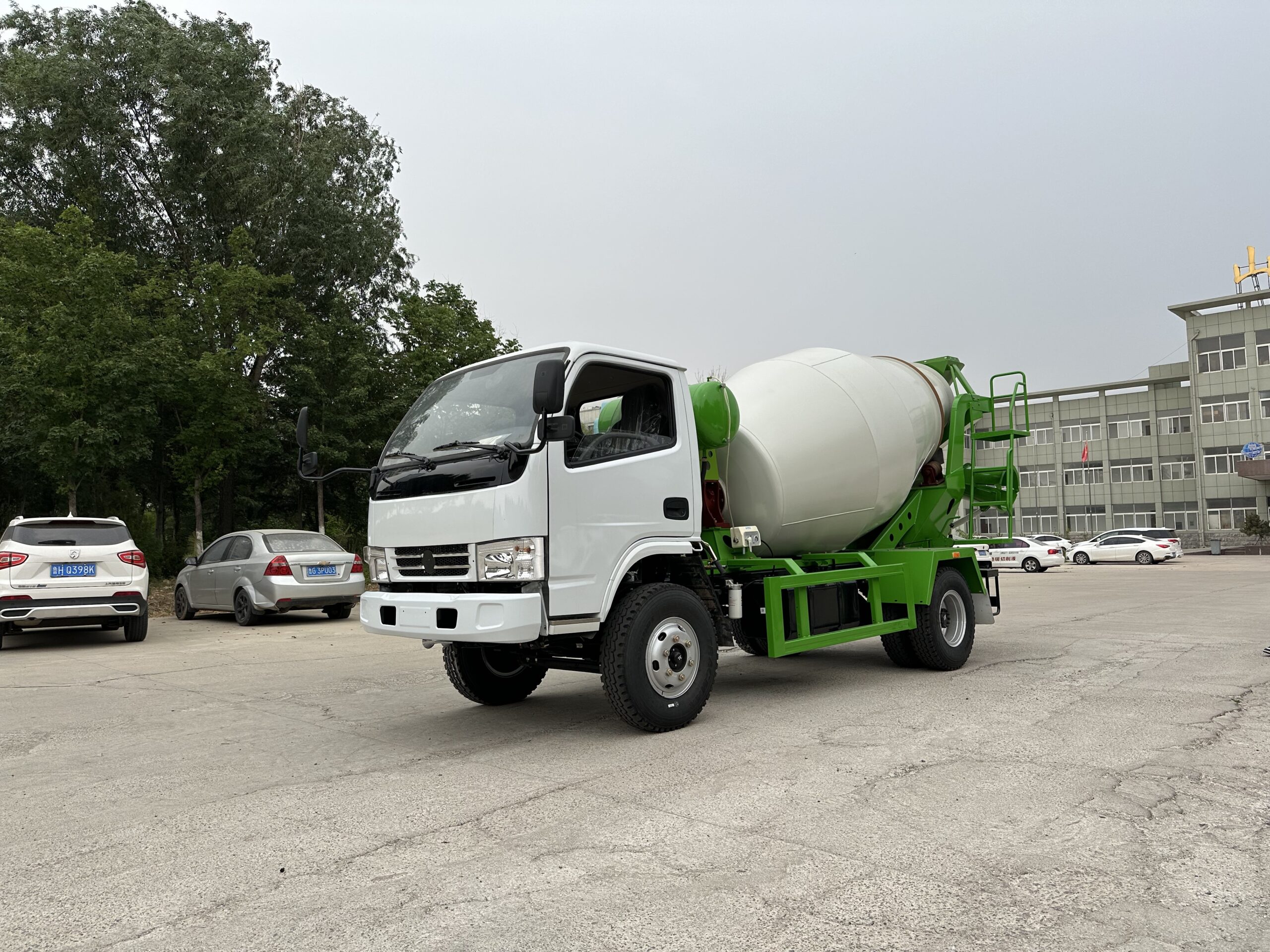
Concrete Mixer Truck Price depends on more than mixer capacity. The chassis, engine, drivetrain, hydraulic system, drum design, discharge arrangement and customization requirements all contribute to the final quotation.
Before purchasing, define your project requirements and compare the complete specifications of each truck. If a standard model meets your needs, it may be the simplest option. If you have specific height, width, capacity or equipment requirements, discuss a customized configuration with the manufacturer.
We manufacture concrete mixer trucks and can discuss complete vehicle and mixer body configurations according to project requirements.
Looking for a concrete mixer truck quotation? Send us your required capacity, preferred chassis, project application, destination and any special configuration requirements. We can discuss suitable options and prepare a quotation based on your needs.