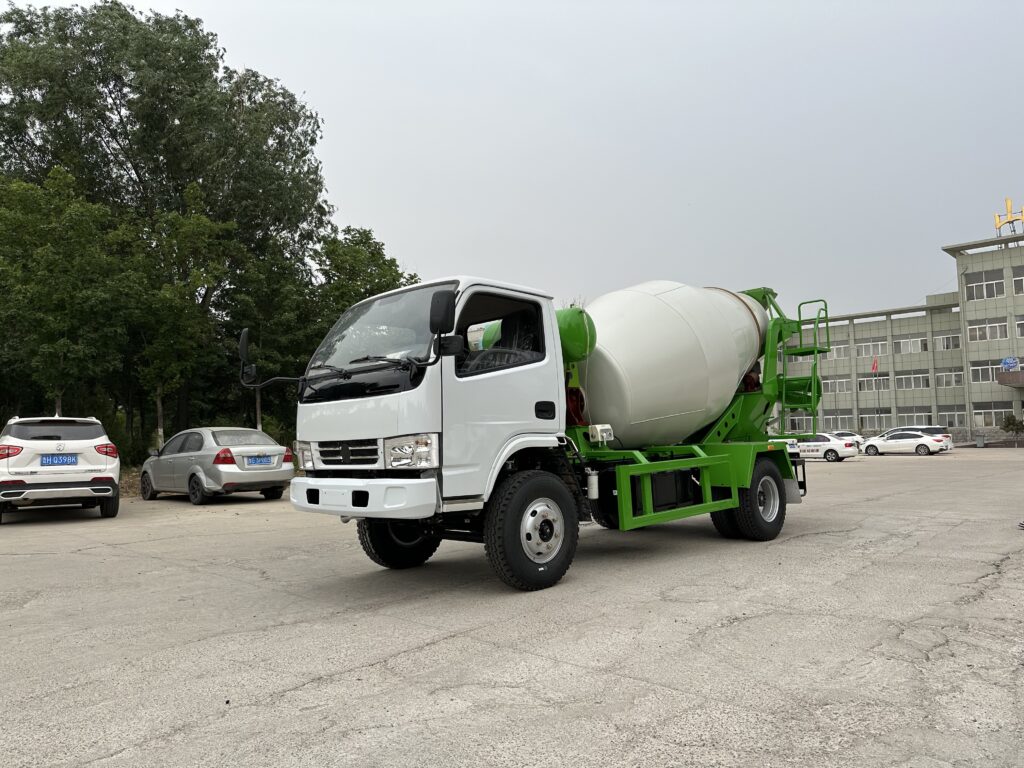
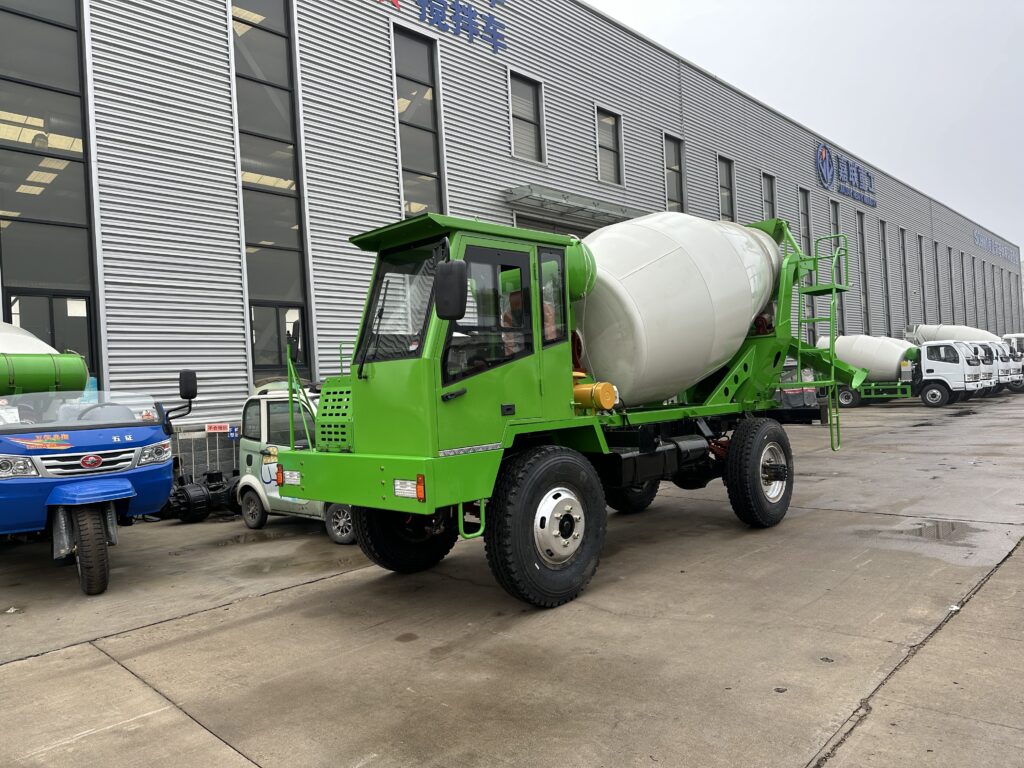
Choosing the right concrete mixer truck requires more than selecting a drum capacity. The chassis, engine, hydraulic system, mixing drum, discharge equipment, and vehicle dimensions must work together to meet your construction requirements.
This Concrete Mixer Truck Selection Guide explains how to evaluate each major system, compare configurations, and avoid common selection mistakes. Whether you need a compact truck for small construction projects or a customized vehicle for demanding job sites, a systematic approach can help you make a more informed purchasing decision.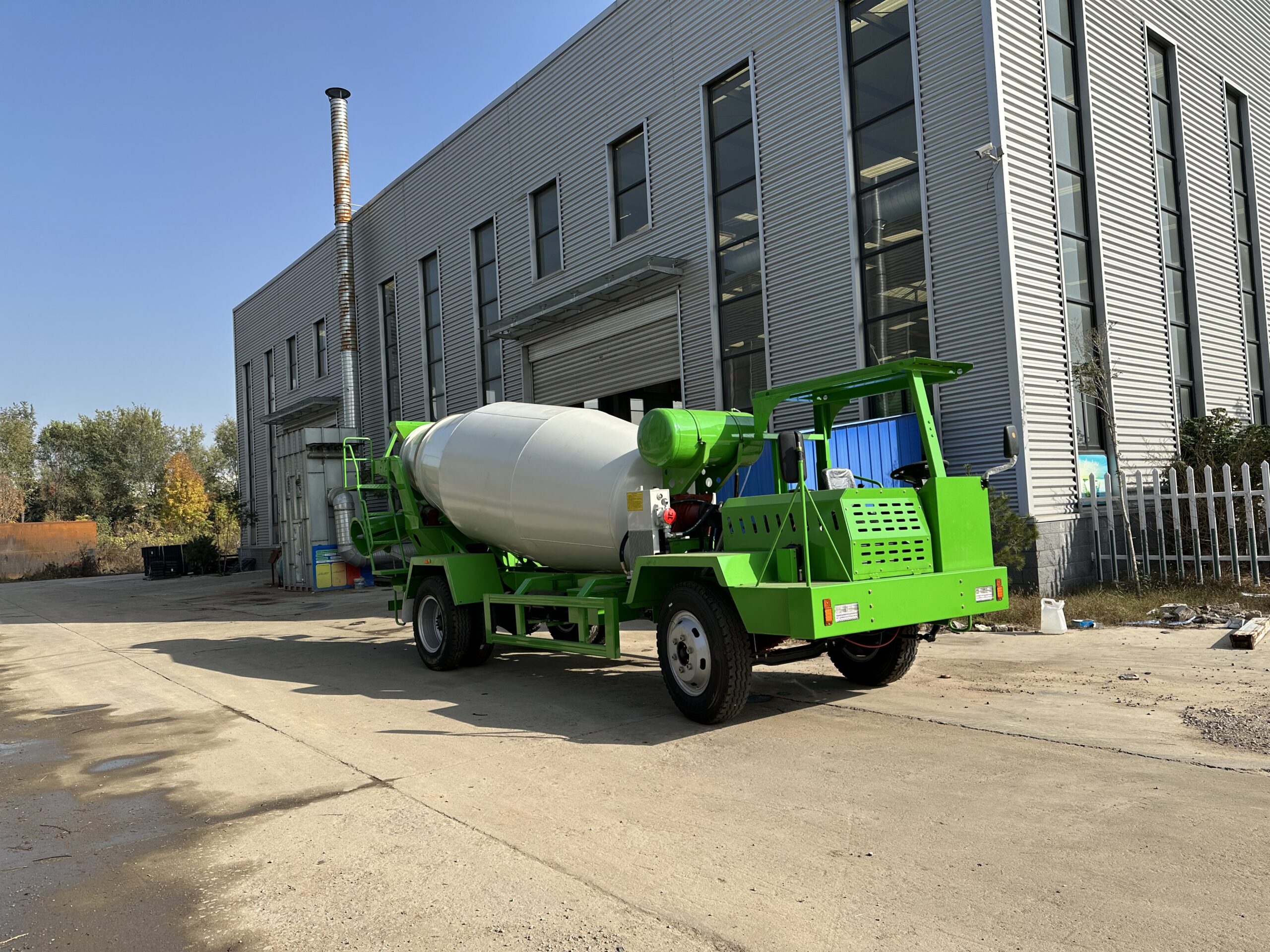
1. Define Your Project Requirements First
Before comparing truck models, identify the work the vehicle must perform. Consider your typical concrete demand, transport distance, road conditions, job-site access, and local vehicle regulations.
Prepare the following information before contacting a supplier:
- Typical concrete volume required per delivery
- Expected daily delivery frequency
- Distance between the loading point and construction site
- Road surface, gradients, and access conditions
- Maximum permitted vehicle dimensions and weight
- Required discharge arrangement
- Destination country and applicable vehicle standards
These details form the basis of the entire selection process. For a broader purchasing process, refer to our Concrete Mixer Truck Buying Guide, which explains how to evaluate your needs before placing an order.
2. Select the Right Mixing Capacity
Capacity is one of the first specifications to evaluate. However, the largest available drum is not automatically the best choice.
A truck with insufficient capacity may require too many trips, while an oversized vehicle may be difficult to maneuver or unsuitable for local road restrictions.
For buyers considering a Small Concrete Mixer Truck, including options in the 2–8 m³ range, compare available capacities against your normal delivery requirements rather than choosing solely by advertised drum volume.
When reviewing Concrete Mixer Truck Specifications, distinguish between three measurements:
- Geometric drum volume: The total internal volume of the drum.
- Rated mixing capacity: The manufacturer’s stated mixing capacity under specified conditions.
- Actual usable concrete load: The quantity that can be carried within the vehicle’s technical limits and applicable legal weight restrictions.
These figures should not be treated as interchangeable. Ask the manufacturer to define the capacity stated in the quotation and confirm the permitted loaded weight for your destination market.
The objective is to select a capacity that supports your normal work while maintaining suitable maneuverability, legal compliance, and operating efficiency.
3. Match the Chassis to the Load and Road Conditions
The chassis supports the complete vehicle, including the cab, engine, mixing equipment, and concrete load. It therefore plays a central role in determining which configurations are suitable.
When comparing chassis options, review:
- Chassis make and model
- Gross vehicle weight rating and axle ratings
- Wheelbase and overall dimensions
- Suspension and braking configuration
- Tire specifications and local availability
- Ground clearance and road suitability
- Compatibility with the proposed mixer body
The axle arrangement and chassis capacity must support the intended load. A larger drum should not be selected until the complete vehicle weight and legal payload have been checked.
Road conditions also matter. A truck used mainly on paved roads may have different requirements from one working on muddy access roads, uneven ground, or steep gradients.
For overseas buyers, local service availability and replacement parts should also be considered. A technically suitable chassis may be less practical if essential components are difficult to obtain in the destination country.
4. Evaluate the Engine and Transmission System
The engine and transmission must match the vehicle’s operating weight, road conditions, and expected working cycle.
When comparing powertrain configurations, consider engine output, torque characteristics, transmission ratios, cooling requirements, and compatibility with the chassis.
A truck working on flat roads with moderate loads may have different power requirements from one regularly operating on steep roads or difficult terrain. However, engine power alone does not determine suitability. Transmission matching, axle ratios, vehicle weight, and operating conditions must be considered together.
Before ordering, confirm the engine make and model, rated power, relevant torque information, transmission type, applicable emissions requirements, and local maintenance support.
Do not select an engine based only on a headline power figure. Ask the manufacturer to recommend a configuration based on the actual load, terrain, and intended use.
 5. Evaluate the Mixing Drum and Internal Structure
The mixing drum is a central component of the truck. Its capacity, shape, internal blades, material, and support structure affect mixing performance, discharge, wear, and maintenance.
When reviewing Concrete Mixer Truck Specifications, request clear information about the drum’s rated capacity, material, internal blade arrangement, and relevant dimensions.
The internal blades help move and mix the concrete as the drum rotates. Their design and condition influence how the material moves inside the drum and how effectively it can be discharged.
The following points deserve attention:
- Drum capacity and dimensions
- Drum shell and blade materials
- Internal blade arrangement
- Drum support and mounting structure
- Hopper and discharge opening design
- Inspection and cleaning access
The appropriate drum specification depends on the intended application and manufacturer design. Buyers should compare documented specifications rather than assume that two trucks with the same advertised capacity have identical mixing systems.
If you already own a suitable chassis, ask whether a Concrete Mixer Body is available separately. Before ordering, confirm compatibility with the chassis, mounting arrangement, available space, weight limits, and hydraulic requirements.
6. Check the Hydraulic System and Drum Drive
The hydraulic system provides the power needed to rotate the mixing drum on many conventional mixer truck designs. Its components must be compatible with the drum, operating requirements, and selected vehicle configuration.
Depending on the design, the system may include a hydraulic pump, motor, reduction gearbox, hoses, controls, and supporting components.
When evaluating the hydraulic system, check:
- Pump and motor specifications
- Reduction gearbox configuration
- Hydraulic flow and pressure requirements
- Cooling arrangements where applicable
- Control functions and operating response
- Access for inspection and maintenance
- Availability of replacement components
Do not compare hydraulic systems using pressure or flow figures alone. These values need to be evaluated alongside the pump, motor, gearbox, drum load, and manufacturer’s design requirements.
Ask the supplier to explain how the system is configured and which maintenance procedures are required. For export purchases, confirm whether compatible spare parts and technical support can be obtained in your market.
7. Select the Discharge System for Your Job Site
The discharge system affects how conveniently concrete can be delivered at the construction site. The required arrangement depends on the unloading position, available space, and method of placing concrete.
Before confirming a configuration, consider the required discharge direction and reach, available space around the truck, chute arrangement, and cleaning access.
For construction sites with limited space, the unloading arrangement should be reviewed together with vehicle dimensions and turning requirements. A truck that can reach the site may still be unsuitable if it cannot position itself correctly for discharge.
Discuss your typical unloading conditions with the manufacturer. Confirm the available discharge configuration and any limitations before placing the order.
8. Consider Vehicle Dimensions and Customization
Overall dimensions can be just as important as capacity, especially when a truck must enter narrow roads, low-clearance areas, or restricted construction sites.
Check the complete vehicle’s length, width, height, wheelbase, turning space, and ground clearance. Also consider the dimensions of the mixing equipment and the space required for safe loading and discharge.
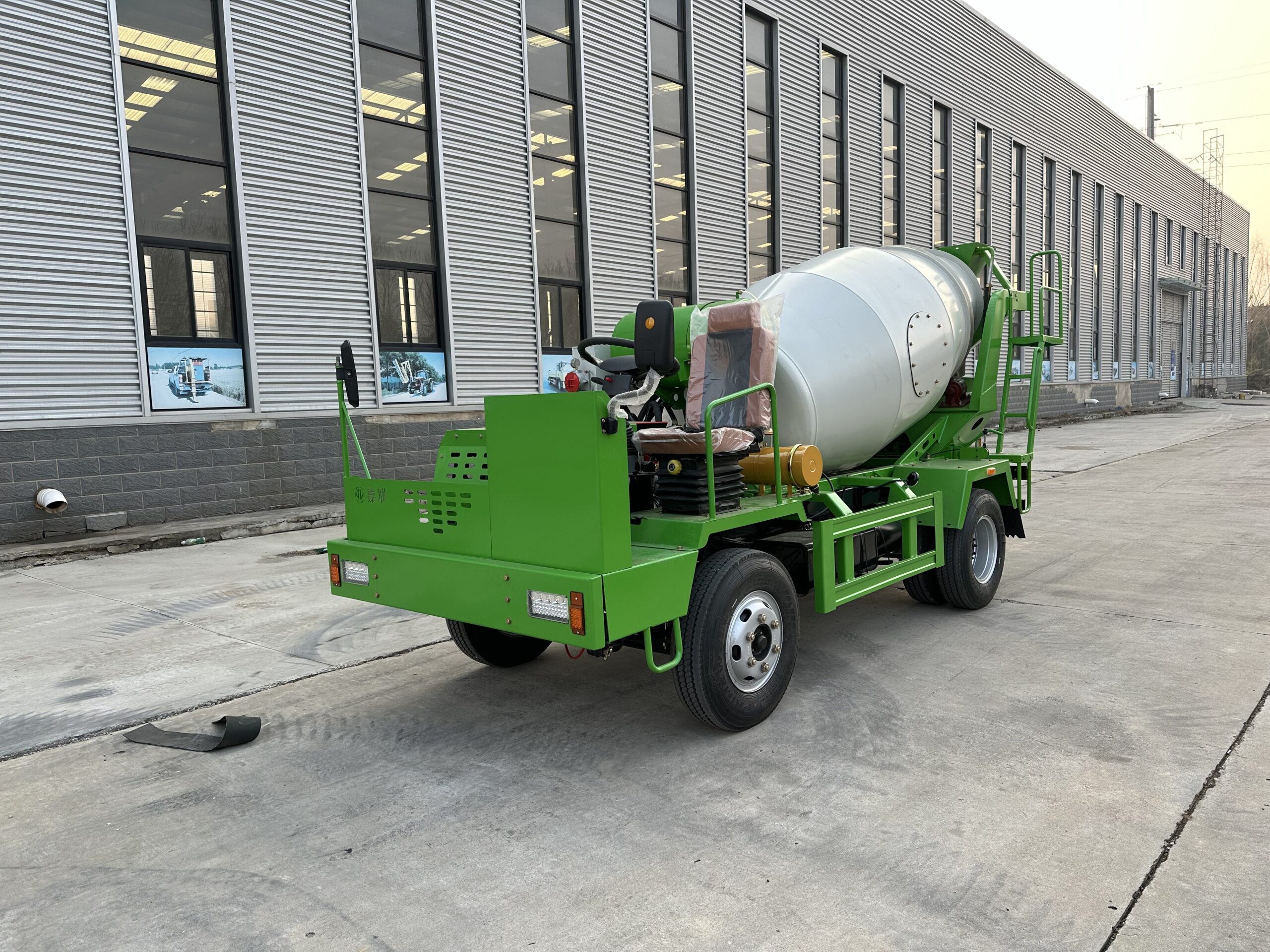
If standard models do not meet your requirements, a Custom Concrete Mixer Truck may be an option. Depending on the chassis and engineering limitations, customization discussions may cover vehicle dimensions, mixing capacity, chassis configuration, mixing equipment arrangement, and discharge configuration.
Not every requested change will be technically or legally feasible. Provide accurate site measurements and confirm the final configuration with the manufacturer before production.
A clear specification and written confirmation help reduce the risk of receiving a truck that does not fit the intended working environment.
 9. Compare Configurations and Total Cost
The Concrete Mixer Truck Price depends on the complete configuration, not simply the drum capacity. Chassis selection, engine, hydraulic components, mixing equipment, dimensions, and customization requirements can all affect the quotation.
When comparing different offers, make sure the specifications are comparable.
Review the following items:
- Complete truck or mixer body only
- Rated mixing capacity and vehicle weight
- Chassis and engine configuration
- Hydraulic system and mixing equipment
- Included accessories and discharge components
- Customization costs, if applicable
- Shipping, delivery, and payment terms
- Maintenance requirements and parts availability
The purchase price is only one part of the decision. Operating costs, expected maintenance, parts supply, and the suitability of the truck for your actual work also affect long-term value.
For a more detailed breakdown of the factors affecting cost, see our Concrete Mixer Truck Price guide. Request a written specification sheet and quotation, and ask suppliers to explain differences between their configurations before comparing prices.
10. Evaluate the Manufacturer and Technical Support
A suitable Concrete Mixer Truck Manufacturer should be able to explain the proposed configuration and clarify how the major systems work together.
Before ordering, ask for relevant product specifications, photos or videos of the selected model, and confirmation of the configuration included in the quotation.
You should also discuss available models, chassis and mixing system compatibility, customization feasibility, production and delivery arrangements, spare parts, and maintenance information.
When comparing a Concrete Mixer Truck Supplier, evaluate the clarity of its technical information as well as its price. Clear documentation makes it easier to compare offers, check compatibility, and confirm the equipment you will receive.
Before production begins, ensure that the agreed configuration is documented in writing. For export purchases, confirm the documentation and vehicle requirements applicable to your destination country.
11. Use a Systematic Selection Checklist
Before making the final decision, review the complete vehicle rather than evaluating each component in isolation.
Use this checklist:
- Define the intended application and daily concrete demand.
- Select a suitable mixing capacity.
- Confirm chassis capacity, vehicle weight, and axle ratings.
- Match the engine and transmission to the operating conditions.
- Review the drum structure and mixing equipment.
- Check hydraulic components and drum drive compatibility.
- Confirm the discharge arrangement and site access.
- Verify vehicle dimensions and customization requirements.
- Compare complete specifications and total purchasing costs.
- Confirm the final configuration and delivery terms in writing.
Each stage helps eliminate unsuitable options before you proceed to the next. This approach can make the purchasing process clearer and reduce the risk of selecting mismatched components.
Conclusion: Match Every System to the Intended Application
A reliable concrete mixer truck selection process begins with project requirements and continues through capacity, chassis, powertrain, mixing equipment, hydraulic system, discharge arrangement, and vehicle dimensions.
For small construction projects, a compact configuration may be more practical. For heavier loads or demanding routes, the chassis and powertrain require careful evaluation. For restricted job sites, dimensions and discharge access may become the deciding factors.
Jialian Heavy Industry supplies concrete mixer trucks and mixer bodies, with customization options based on project requirements.
If you are planning to purchase a concrete mixer truck, contact our team with your required capacity, working conditions, preferred configuration, and destination country. We can discuss available options and help you request a quotation suited to your project.