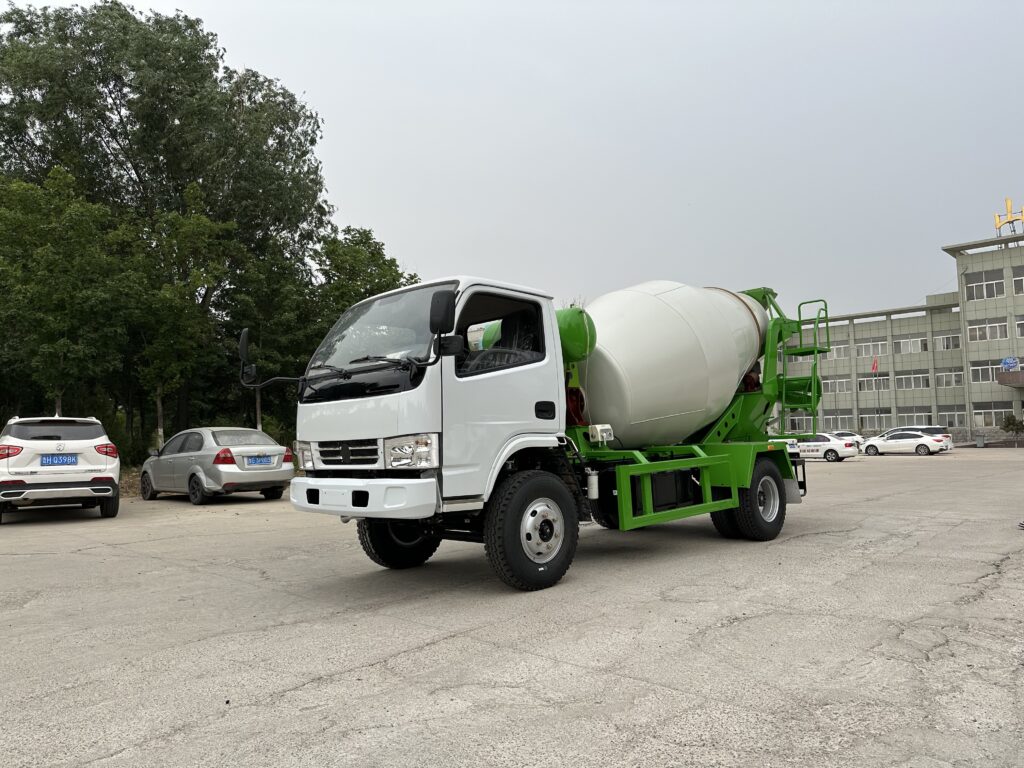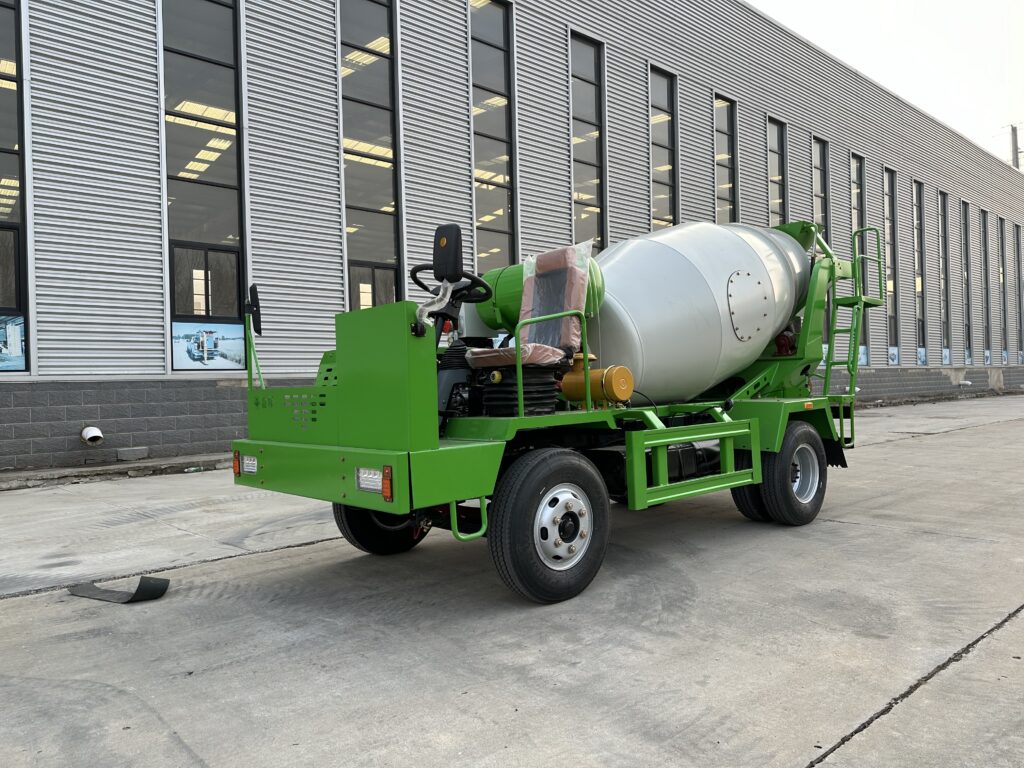

Understanding Small Concrete Mixer Truck Cost is an important step before purchasing equipment for your construction business. Whether you need a 2m³, 3m³, 4m³, or 6m³ mixer truck, the final price depends on more than just the mixing capacity. Chassis selection, engine configuration, hydraulic components, drum design, customization, and shipping costs can all affect your total investment.
For small contractors, choosing the cheapest truck is not always the best decision. A suitable model should match your construction requirements, road conditions, daily concrete demand, and available budget.
In this guide, we explain the main factors that affect small concrete mixer truck cost, how to compare different configurations, and what to check before requesting a quotation from a manufacturer.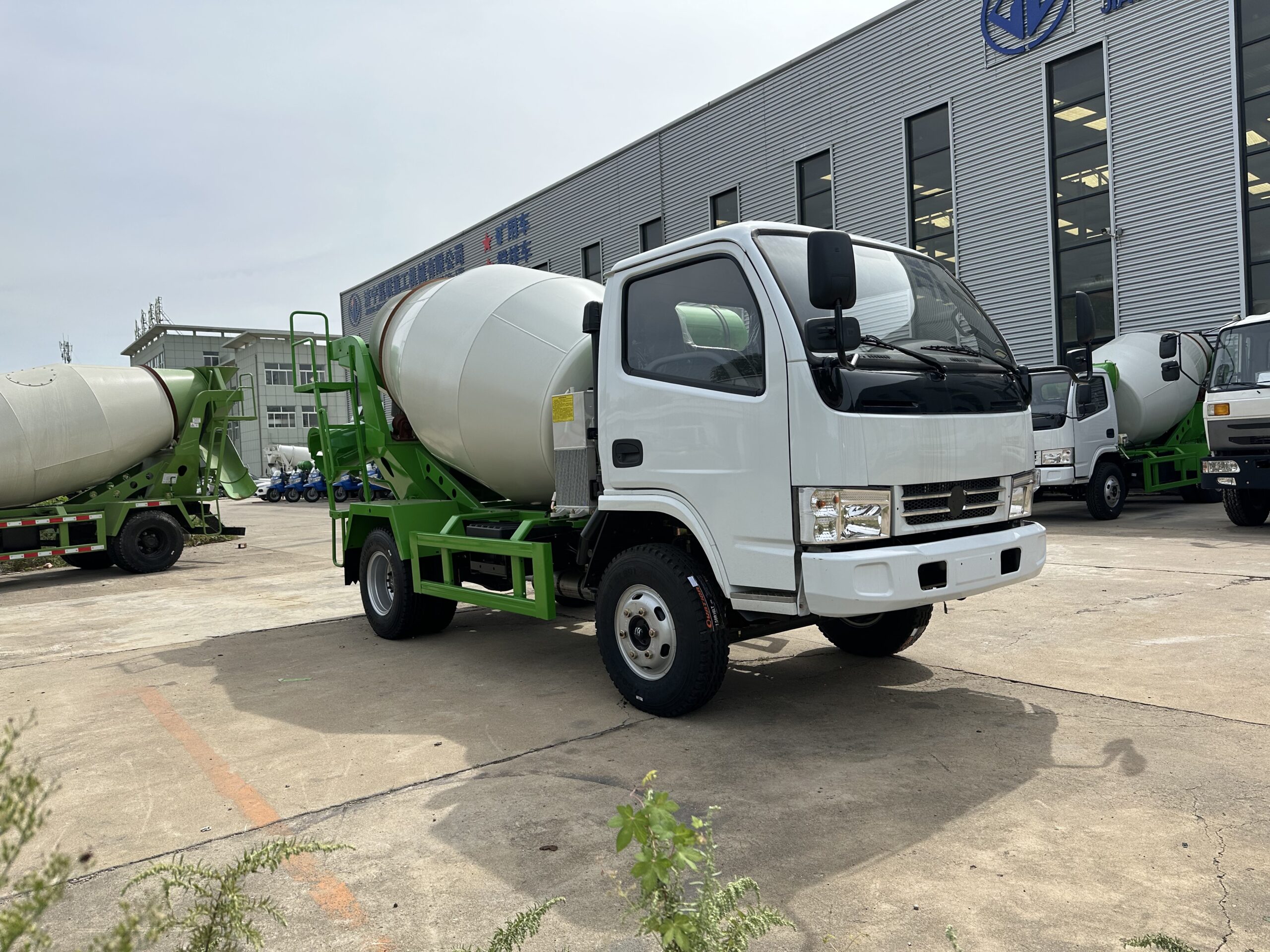
1. How Much Does a Small Concrete Mixer Truck Cost?
There is no single price for every small concrete mixer truck. Two trucks with similar mixing capacities can have different prices because their chassis, engines, hydraulic systems, dimensions, and equipment configurations may not be the same.
For example, a basic model designed for ordinary construction sites may have a different cost from a customized truck designed for muddy roads, narrow access areas, or special working conditions.
When evaluating the cost, first identify the type of equipment you need:
- A complete small concrete mixer truck.
- A customized concrete mixer truck built around your requirements.
- A separate concrete mixer body for an existing chassis.
- A replacement mixing drum or related equipment.
These options have different product scopes and should not be compared as if they were the same product.
The best way to obtain an accurate price is to provide your required capacity, chassis preference, working conditions, and destination country to the manufacturer.
2. How Does Mixing Capacity Affect Small Concrete Mixer Truck Cost?
Mixing capacity is one of the most important factors affecting the price of a small concrete mixer truck.
Common capacity options in the small mixer truck market include approximately 2m³, 3m³, 4m³, 5m³, 6m³, and 8m³. The available configurations depend on the vehicle design and chassis specifications.
2m³ Small Concrete Mixer Truck
A 2m³ mixer truck may be suitable for small residential projects, rural house construction, and jobs with relatively low concrete demand.
Its compact configuration can be useful where working space and road access are limited.
3m³ Small Concrete Mixer Truck
A 3m³ mixer truck is a common option for small construction contractors.
It can be considered for house building, small building projects, and road repair work. Buyers should compare the chassis, drum dimensions, and actual rated mixing capacity before choosing a model.
4m³ to 5m³ Small Concrete Mixer Truck
These capacities may suit contractors who need more concrete per mixing cycle but still prefer a relatively compact vehicle.
The chassis and load capacity must be suitable for the selected drum and complete vehicle configuration.
6m³ to 8m³ Concrete Mixer Truck
Larger configurations can provide more mixing capacity for projects with higher concrete demand.
However, a larger drum usually requires a suitable chassis, supporting structure, and hydraulic configuration. Buyers should not select capacity without checking the vehicle’s technical specifications.
If you are unsure which capacity to choose, read our Concrete Mixer Truck Capacity Guide before requesting a quotation.
3. How Does the Chassis Affect the Cost?
The chassis is another major factor in small concrete mixer truck cost.
Different chassis brands, models, wheelbases, load capacities, and driving systems can result in different vehicle prices.
Chassis Brand and Model
Different chassis manufacturers offer different configurations and specifications.
When comparing quotations, check the exact chassis brand and model rather than relying only on a general description such as “small truck chassis.”
Two-Wheel Drive and Four-Wheel Drive
The driving system should match the road conditions at your construction site.
Two-wheel drive may be sufficient for ordinary roads and relatively flat working areas. Four-wheel drive may be worth considering for muddy roads, loose ground, and some rough construction environments.
A four-wheel drive configuration can affect the vehicle cost, so consider whether your actual working conditions require it.
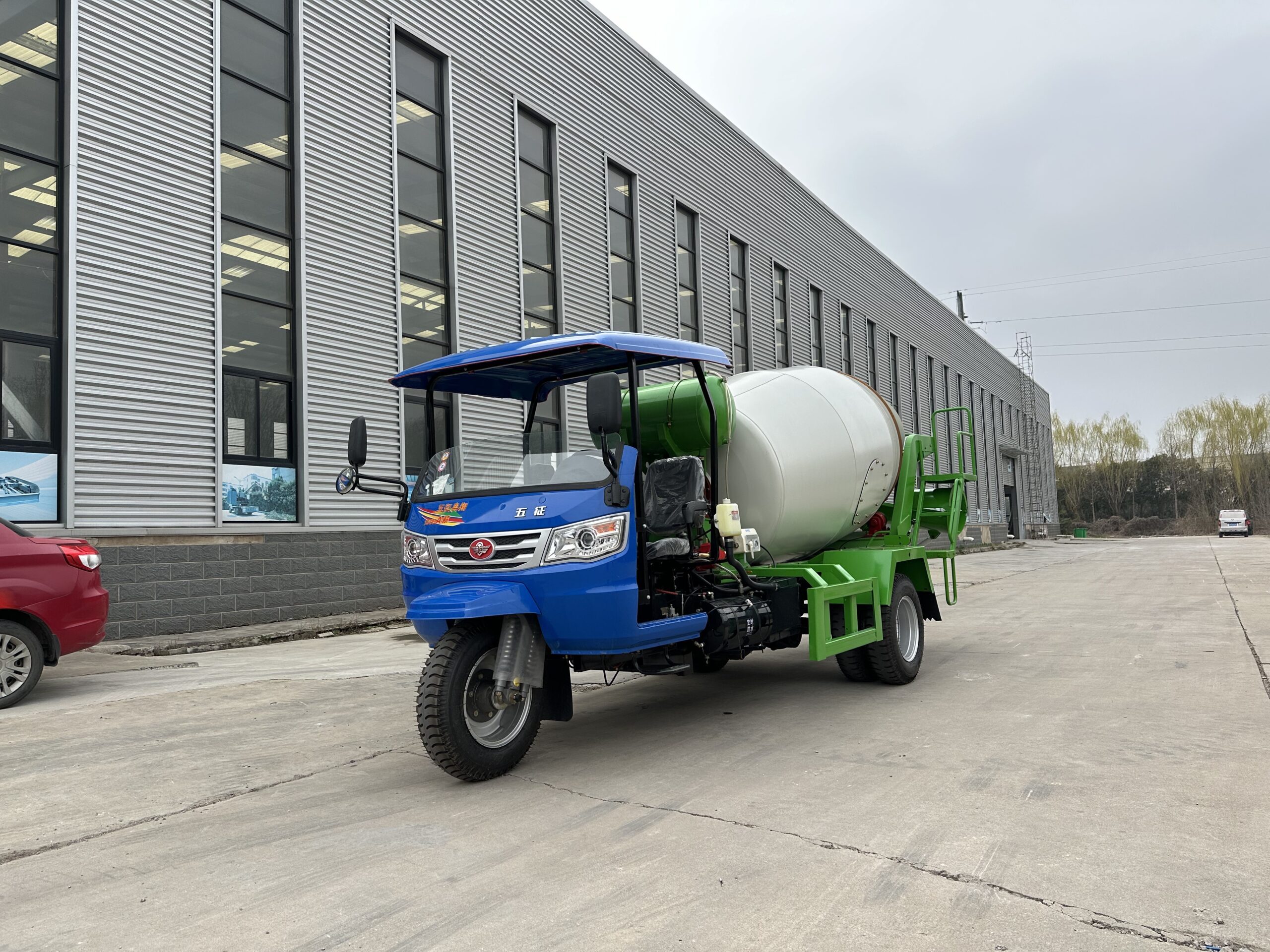
Three-Wheel Chassis
For some small construction projects, a three-wheel concrete mixer truck may be another option.
Its compact structure can be useful for certain rural construction sites and narrow access roads. However, buyers should check the actual load capacity, road conditions, and vehicle dimensions before making a decision.
The cheapest chassis is not necessarily the most suitable one. Always compare the chassis specifications with the intended operating requirements.
4. How Do the Engine and Hydraulic System Affect the Price?
The engine and hydraulic system are important parts of a concrete mixer truck. Their specifications and configurations can affect both the initial purchase cost and future maintenance requirements.
Engine Configuration
The engine provides power for vehicle movement and supports the vehicle’s operating requirements.
Different engine models, rated power, fuel types, and emission configurations may have different costs.
Before purchasing, confirm the engine model, rated power, and whether the configuration meets the requirements of your destination country.
Hydraulic Pump and Motor
The hydraulic system provides power for mixing drum rotation on many truck-mounted mixer designs.
The pump and motor specifications should match the drum requirements and overall vehicle configuration.
When comparing quotations, ask whether the hydraulic pump, motor, reducer, and related components are included.
Maintenance and Replacement Parts
Purchase cost is only one part of the investment.
Buyers should also consider the availability of replacement parts, local maintenance support, and the accessibility of the hydraulic components.
A suitable configuration should balance initial cost with practical maintenance requirements.
5. Does the Mixing Drum Affect Small Concrete Mixer Truck Cost?
Yes. The mixing drum is one of the main components of a concrete mixer truck, and its specifications can affect the final price.
Important factors include:
Drum capacity: Different capacities require different drum sizes and structural designs.
Drum material: Material grade and steel thickness affect material usage and manufacturing cost.
Internal mixing blades: Blade structure, material, and arrangement are part of the drum configuration.
Drum dimensions: Special diameter or length requirements may involve additional design and manufacturing work.
Discharge structure: The discharge opening, chute arrangement, and related components can also affect the configuration.
If you already own a suitable truck chassis, you may not need to purchase a complete vehicle. You can ask about a separate [Concrete Mixer Body] and compare the cost of the mixing equipment with the cost of a complete truck.
 6. How Does Customization Affect the Cost?
Customization can make a concrete mixer truck more suitable for a specific construction site, but it may also affect the final price.
Common customization requirements include:
Customized Vehicle Height and Width
Some construction sites have low entrances, narrow roads, or limited turning space.
The vehicle dimensions may need to be considered during the design process. Any changes must be checked against chassis specifications and structural limitations.
Customized Drum Capacity
A customer may need a specific mixing capacity based on the amount of concrete required for each working cycle.
The selected drum must be compatible with the chassis and vehicle load limits.
Special Chassis and Driving Configuration
Different construction environments may require different chassis or driving configurations.
For example, a project involving muddy roads may require a different setup from a project on ordinary paved roads.
Complete Truck or Mixer Body Only
Some customers need a complete concrete mixer truck, while others already have a chassis and only need the mixing equipment.
The product scope directly affects the quotation. A complete truck includes more components than a separate mixing body, so the two prices should be compared carefully.
When discussing customization, provide your actual site requirements instead of requesting changes based only on appearance.
7. What Other Costs Should Overseas Buyers Consider?
For international buyers, the factory quotation may not represent the full cost of purchasing and using a small concrete mixer truck.
Depending on the agreed trade terms, additional expenses may include:
International Shipping
Shipping costs depend on the destination, transportation method, vehicle dimensions, shipping arrangements, and current freight conditions.
Insurance
Buyers may need to arrange cargo insurance according to the shipping agreement and their own requirements.
Customs Duties and Taxes
Import duties, taxes, and customs-related charges vary by destination country and local regulations.
Port and Local Handling Charges
Port handling, customs clearance, inland transportation, and other local expenses may need to be included in the purchasing budget.
Registration and Local Compliance
Some countries have specific requirements for vehicle registration, road use, emissions, and imported construction equipment.
Check the relevant requirements before ordering to avoid unexpected costs.
When requesting a quotation, clarify whether the price is EXW, FOB, CIF, or based on another agreed trade term. These terms determine which transportation and related costs are included.
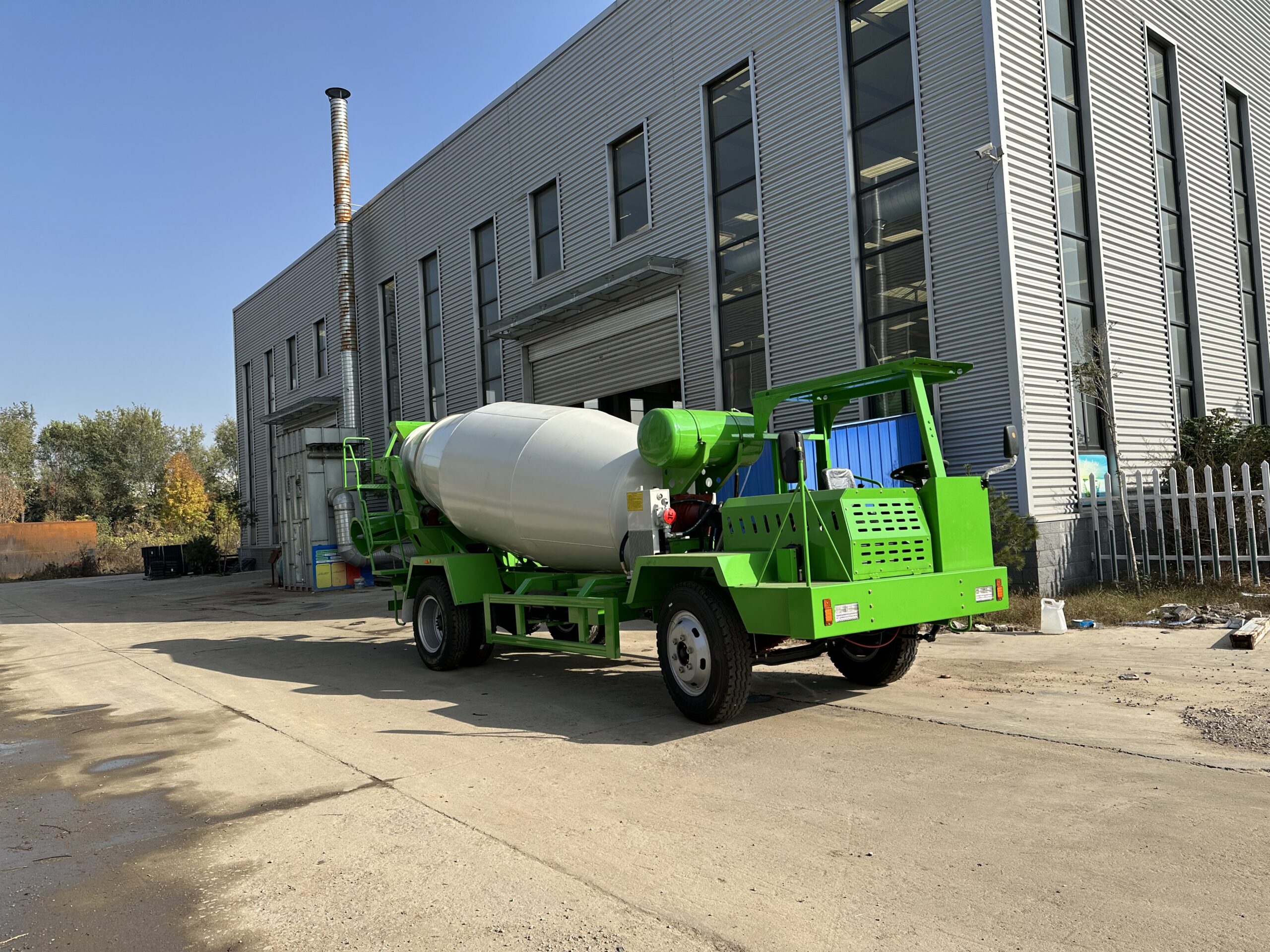 8. How to Reduce Small Concrete Mixer Truck Cost Without Choosing the Wrong Model
Reducing the purchase cost does not mean choosing the lowest-priced truck available.
A better approach is to select a configuration that meets your actual project requirements without paying for unnecessary features.
Here are some practical suggestions:
- Choose the right capacity. Do not purchase a larger truck if your daily concrete demand does not require it.
- Match the chassis to your working conditions. Avoid paying for a more complex driving configuration if ordinary road conditions do not require it.
- Confirm the required dimensions. Provide height and width restrictions before requesting a customized design.
- Compare complete configurations. Check the chassis, engine, drum, hydraulic system, and included accessories.
- Consider a separate mixer body. If you already have a suitable chassis, ask whether purchasing the mixing equipment separately is possible.
- Compare the full delivered cost. Include shipping, insurance, import duties, and local expenses where applicable.
The goal is to purchase a truck that fits your project and budget, rather than simply choosing the lowest initial quotation.
9. What Information Do You Need to Get an Accurate Quotation?
To help a manufacturer calculate the cost of a suitable small concrete mixer truck, prepare the following information:
- Required mixing capacity, such as 2m³, 3m³, 4m³, or 5m³.
- Destination country and port.
- Preferred chassis brand or model, if any.
- Required driving system.
- Construction site road conditions.
- Required vehicle height and width.
- Engine and hydraulic system requirements, if specified.
- Whether you need a complete truck or only a mixer body.
Photos, technical drawings, or measurements of your construction site can also help the manufacturer understand your requirements.
Providing accurate information makes it easier to compare quotations and avoid paying for a configuration that does not suit your project.
For more technical details, see our Concrete Mixer Truck Specifications guide.
10. Why Request a Small Concrete Mixer Truck Quote from JiaLian?
JiaLian focuses on concrete mixer trucks and customized mixing equipment for different construction applications.
We understand that customers have different budgets, site conditions, and purchasing requirements. Some need a complete small concrete mixer truck, while others only need a customized mixer body to match an existing chassis.
We can discuss different configurations according to your project requirements, including:
- Small concrete mixer trucks in different capacity options.
- Complete vehicle configurations.
- Customized concrete mixer bodies.
- Chassis and engine options.
- Vehicle height and width requirements.
- Mixing drum and discharge configurations.
Whether you are a small construction contractor, equipment distributor, or project buyer, choosing the right configuration is important for controlling your investment.
Contact JiaLian with your required capacity, destination country, chassis preference, and working conditions. Our team can help you discuss a suitable configuration and provide a quotation based on your requirements.
11. Frequently Asked Questions
What is the cost of a small concrete mixer truck?
The cost depends on mixing capacity, chassis brand, engine, hydraulic system, drum specifications, customization, and shipping arrangements. Contact a manufacturer with your requirements to obtain an accurate quotation.
Is a 3m³ concrete mixer truck cheaper than a 5m³ model?
A 3m³ model may have a lower purchase cost than a 5m³ model, but the final difference depends on the chassis, engine, hydraulic components, and overall configuration.
What is included in a small concrete mixer truck quotation?
This depends on the supplier and agreed product scope. Ask whether the quotation includes the chassis, engine, mixing drum, hydraulic system, accessories, and transportation.
Can I reduce the cost by buying only the mixer body?
If you already own a suitable chassis, purchasing a separate mixing body may reduce the amount of equipment you need to buy. However, installation compatibility and hydraulic requirements must be checked first.
Does customization increase the price?
It may. Special drum dimensions, chassis configurations, vehicle height and width requirements, and other design changes can affect manufacturing costs.
What is the difference between EXW and CIF prices?
EXW generally means the seller makes the goods available at the agreed location, with most transportation arrangements handled by the buyer. CIF generally includes the cost of the goods, insurance, and freight to the named destination port. Buyers should confirm the exact responsibilities and charges in the sales contract.
Conclusion
Understanding Small Concrete Mixer Truck Cost requires looking beyond the initial vehicle price. Mixing capacity, chassis, engine, hydraulic system, drum configuration, customization, and overseas delivery expenses all affect the total investment.
Before purchasing, compare the complete specifications and make sure the selected truck matches your construction site, concrete demand, and budget.
If you are looking for a small concrete mixer truck or a customized mixing body, contact JiaLian with your requirements and destination country to discuss a suitable configuration and request a quotation.