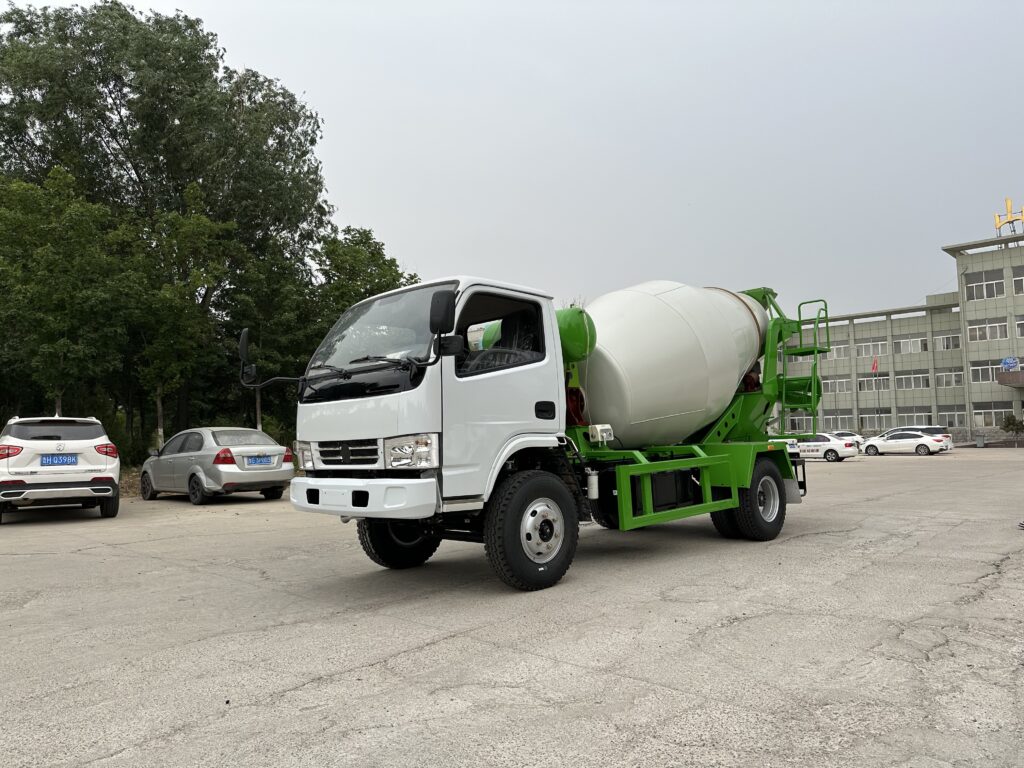
Tunnel construction creates transportation challenges that are very different from those on ordinary construction sites. Narrow passages, limited headroom, restricted turning space, and long underground routes can make it difficult for conventional vehicles to move efficiently.
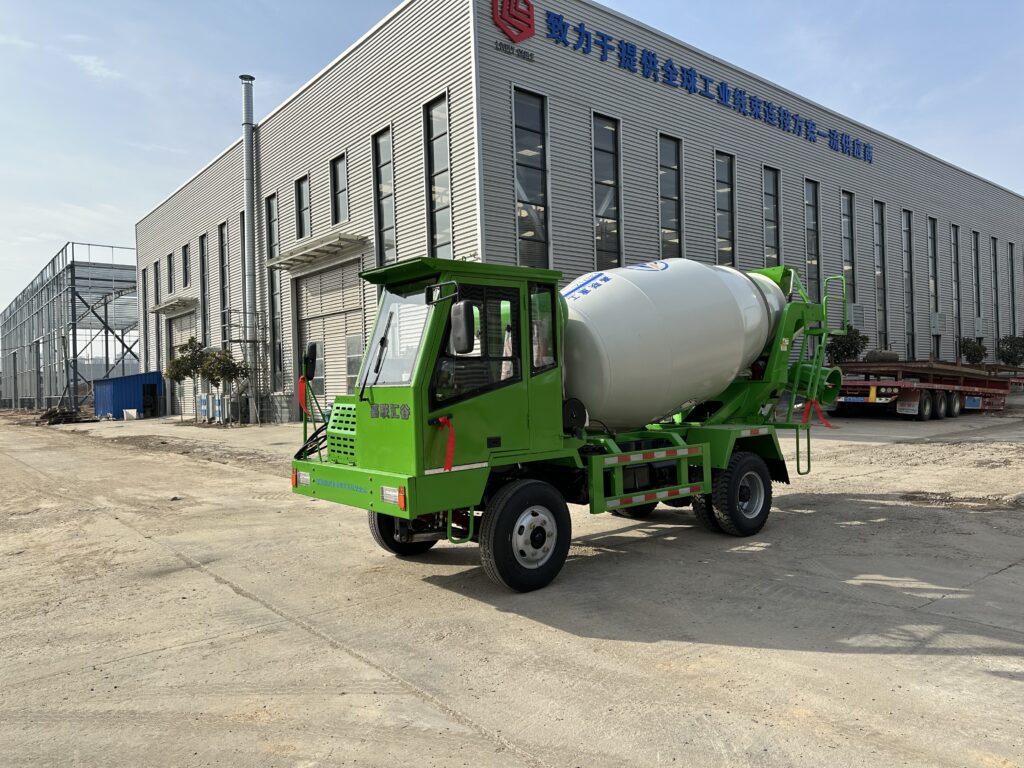
A Bidirectional Concrete Mixer Truck For Tunnels is designed to address these challenges. With a driving system that allows the operator to control the vehicle in both directions, it can reduce the need for complicated turning and reversing maneuvers in confined working areas.
For tunnel contractors, choosing the right vehicle is not only about concrete capacity. Overall dimensions, driving flexibility, visibility, braking performance, and mixing efficiency all affect daily operations. This guide explains what to consider when selecting a bidirectional concrete mixer truck for tunnel projects.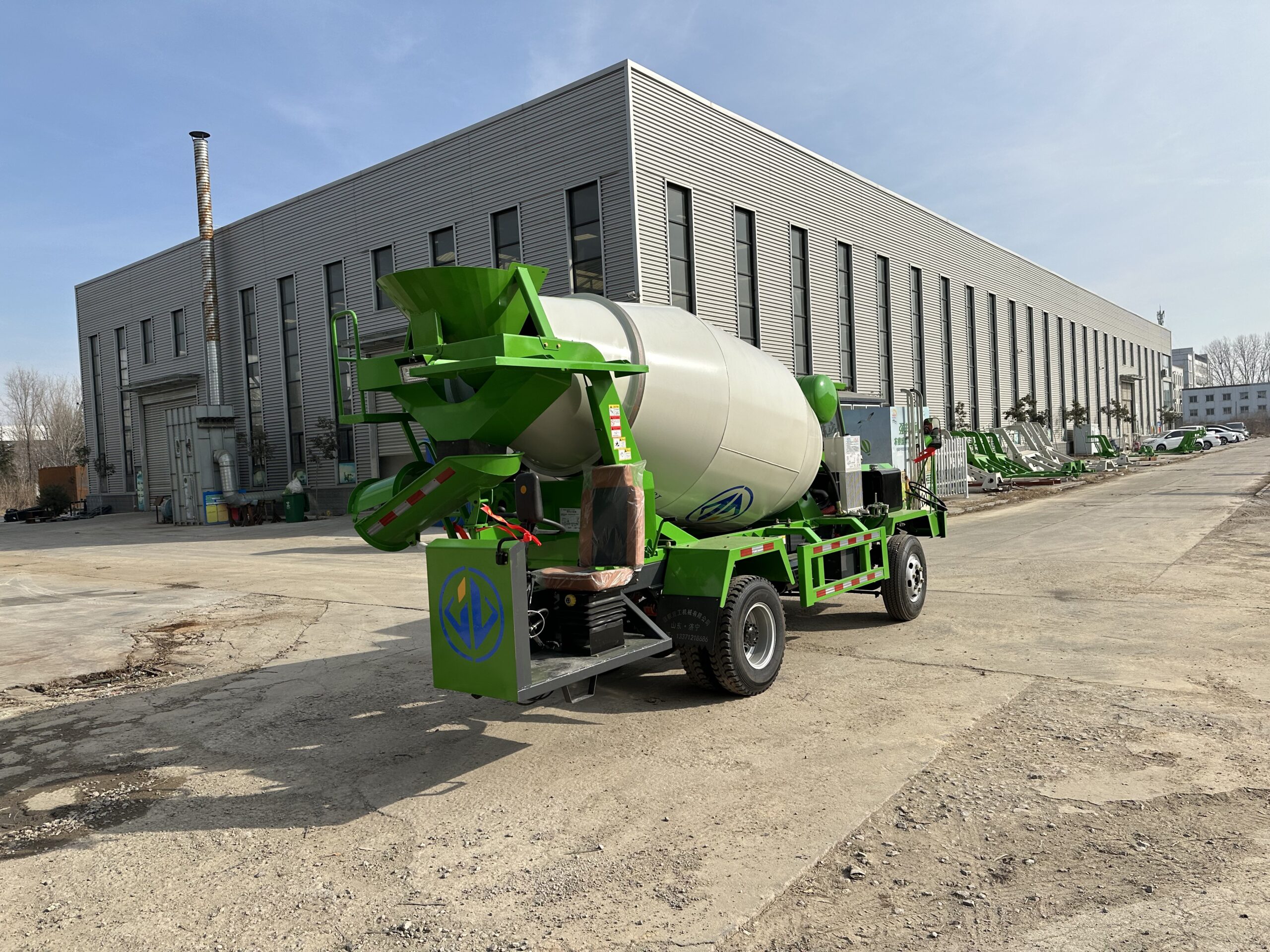
1. Why Is Concrete Transportation Difficult in Tunnel Construction?
Tunnel construction sites often have limited space and complicated working conditions. Vehicles must transport concrete through underground passages while sharing the available space with other construction equipment and workers.
Several challenges need special attention.
Limited Turning Space
Many tunnels have narrow passages where a conventional truck cannot easily make a U-turn. When the vehicle reaches a working area or needs to return to the entrance, turning around may take considerable time or require additional space.
A bidirectional driving system allows the operator to drive in either direction without always needing to turn the entire vehicle around. This can make movement more practical in long and narrow tunnels.
Restricted Tunnel Height and Width
Tunnel entrances and internal passages may have strict height and width limitations. A vehicle that works well on an ordinary road may not fit through a tunnel entrance or pass safely through a narrow section.
Before purchasing a truck, contractors should check its overall height, width, length, and turning requirements against the actual tunnel dimensions.
Long Underground Transportation Routes
Some tunnel projects have long transportation distances between the concrete supply point and the working face. Concrete must be transported and kept properly agitated according to the concrete mix requirements and project specifications.
A suitable mixer truck should provide stable drum operation during transportation and reliable discharge when it reaches the working area.
Complicated Working Conditions
Tunnel floors may contain uneven surfaces, slopes, wet sections, and construction debris. Vehicles need suitable traction, braking performance, ground clearance, and visibility to operate under these conditions.
These factors should be considered together rather than focusing only on the truck’s driving direction.
2. What Is a Bidirectional Concrete Mixer Truck?
A bidirectional concrete mixer truck is a specialized vehicle that allows the operator to drive the truck in both directions using its driving control arrangement.
Depending on the design, this may involve a reversible driving position, dual driving stations, or another bidirectional control system.
The main purpose is to reduce unnecessary vehicle turning and make movement easier in confined environments such as tunnels, underground mines, and narrow construction passages.
It is important to distinguish between two different functions:
- Bidirectional driving: Allows the vehicle to travel in either direction with an appropriate operator control arrangement.
- Mixer drum rotation: Controls the mixing, agitation, and discharge of concrete.
These are separate systems. Bidirectional driving does not mean that the truck’s mixer drum automatically changes its driving function or that the vehicle can operate without a qualified driver.
For tunnel projects, the driving arrangement should match the actual direction of travel, visibility requirements, and site traffic plan.
3. Main Benefits of a Bidirectional Concrete Mixer Truck For Tunnels
Reduced Turning and Reversing Maneuvers
One of the biggest advantages is improved movement in narrow underground passages.
When a truck reaches the end of a tunnel section, it may not have enough room to turn around. A bidirectional driving arrangement can allow the operator to travel back in the opposite direction without performing a conventional U-turn.
This can simplify vehicle movement and reduce unnecessary maneuvering.
Better Suitability for Confined Spaces
Tunnel construction often involves narrow working areas and limited clearance. A vehicle designed for bidirectional operation can be a practical choice when frequent changes in travel direction are required.
However, the truck must also have suitable dimensions. A bidirectional system alone cannot solve problems caused by excessive vehicle width, height, or length.
More Flexible Transportation Operations
Tunnel contractors need to coordinate concrete transportation with loading, pumping, spraying, and lining operations.
A suitable bidirectional mixer truck can support movement between the supply point and the working area. Its actual contribution to productivity depends on the tunnel layout, transportation distance, traffic arrangements, and concrete placement method.
Improved Operator Visibility
Driving in both directions requires the operator to have a clear view of the vehicle’s travel path.
Depending on the vehicle design, useful features may include appropriately positioned driving controls, cameras, mirrors, lighting, and warning systems.
For underground construction, visibility should be checked in both driving directions, not just from the main driving position.
4. Important Features to Check Before Buying
Choosing a tunnel mixer truck requires more than checking whether it can drive in two directions. The following configurations are particularly important.
Bidirectional Driving System
Check how the operator changes the driving direction and whether the controls are available in both operating positions.
Ask the manufacturer to explain:
- Whether the vehicle has a reversible driving seat or separate driving stations
- How steering and braking are controlled in both directions
- Whether the operator has sufficient visibility in each direction
- How the system works when entering and leaving narrow tunnel sections
The driving arrangement should be demonstrated and checked before the vehicle is delivered.
Vehicle Dimensions
Dimensions are among the most important factors for tunnel applications.
Check the following measurements:
- Overall vehicle height
- Overall vehicle width
- Overall vehicle length
- Minimum turning space
- Ground clearance
- Loading and discharge clearance
Do not select a vehicle based only on its nominal capacity. A larger mixer truck may carry more concrete, but it may not be suitable for a tunnel with strict dimensional limits.
Chassis and Driving Performance
The chassis should match the tunnel floor, gradients, load requirements, and transportation distance.
Depending on the project, contractors may need to consider:
- Drive configuration
- Steering arrangement
- Engine power and transmission
- Tire type and size
- Braking system
- Ground clearance
- Gradeability under the expected operating load
For uneven or slippery tunnel roads, traction and braking performance deserve particular attention.
Mixer Drum and Hydraulic System
The mixer drum needs to maintain suitable mixing or agitation during transportation. The hydraulic system should provide stable drum rotation and controlled discharge.
When evaluating the mixing equipment, consider:
- Rated concrete carrying capacity
- Drum structure and internal mixing blades
- Hydraulic drive and control
- Mixing and agitation speed
- Discharge direction and working clearance
- Cleaning and maintenance access
The required drum capacity and mixing performance should be confirmed against the project’s concrete supply and placement requirements.
Lighting, Cameras, and Safety Equipment
Underground construction requires appropriate lighting and visibility equipment.
Depending on the site requirements, useful options may include working lights, warning lights, cameras, mirrors, alarms, and additional protective structures.
For projects with specific ventilation or emissions requirements, the engine and exhaust configuration must also comply with the applicable tunnel regulations and project specifications.
 5. How to Choose the Right Mixer Capacity for Tunnel Projects
The right capacity depends on the concrete demand, transportation distance, tunnel dimensions, and working schedule.
A larger truck does not always mean higher efficiency. If the tunnel passage is narrow or the working area is small, a compact vehicle with a suitable carrying capacity may be more practical.
Consider these general capacity ranges as starting points, not fixed recommendations:
- 2m³–3m³: May suit smaller tunnel projects, restricted passages, and locations with lower concrete demand.
- 4m³–5m³: May be suitable for projects requiring a balance between carrying capacity and vehicle size.
- 6m³–8m³: May be considered for projects with higher transportation demand, provided the tunnel dimensions, road conditions, and vehicle specifications allow it.
Before deciding, calculate the concrete required per working cycle and estimate how many trips the truck needs to complete.
Also consider the time needed for loading, underground travel, discharge, cleaning, and returning to the supply point.
For a more detailed capacity comparison, contractors can refer to a Concrete Mixer Truck Capacity Guide and review the relevant Concrete Mixer Truck Specifications before making a decision.
6. Bidirectional Concrete Mixer Truck vs. Conventional Concrete Mixer Truck
Both vehicle types can transport and mix concrete, but their driving arrangements serve different working conditions.
| Comparison | Bidirectional Mixer Truck | Conventional Mixer Truck |
|---|---|---|
| Driving direction | Designed for operation in both directions | Normally driven from one main driving position |
| Turning requirements | Can reduce the need for U-turns | May require turning or reversing |
| Narrow tunnels | Useful where turning space is limited | May face maneuvering difficulties |
| Operator visibility | Needs visibility in both travel directions | Primarily designed around the main driving position |
| Typical applications | Tunnels, underground mines, confined passages | General construction sites and accessible roads |
A conventional truck may be sufficient when the tunnel has wide passages and suitable turning areas.
A bidirectional model is worth considering when the vehicle needs to travel repeatedly through long, narrow sections where turning around is difficult.
The final choice should be based on the actual site layout rather than the vehicle type alone.
7. Customization for Different Tunnel Construction Projects
Not every tunnel has the same dimensions or construction requirements. A vehicle suitable for one project may not fit another.
Customization can help match the truck to the available working space and transportation conditions.
Depending on the design and technical feasibility, the following areas may be considered:
- Vehicle width and overall height
- Chassis and wheelbase
- Driving arrangement
- Mixer drum capacity
- Hydraulic system
- Lighting and visibility equipment
- Discharge structure
- Engine and exhaust configuration
For example, a tunnel with a low ceiling may require a lower vehicle profile. A narrow passage may require a more compact body width. A project with a longer transportation route may place greater emphasis on carrying capacity and mixing performance.
A Customized Concrete Mixer Truck should therefore be designed around the actual tunnel dimensions and project requirements.
If the customer already has a suitable chassis, it may also be worth discussing whether a customized Concrete Mixer Body can meet the project requirements.
8. What Should Tunnel Contractors Confirm Before Ordering?
Before purchasing a bidirectional concrete mixer truck, prepare the basic information about the project.
Use the following checklist:
- What are the tunnel entrance height and width?
- What are the minimum internal passage dimensions?
- What is the required concrete carrying capacity?
- How long is the transportation route?
- Does the tunnel include slopes, uneven ground, or wet surfaces?
- Is bidirectional driving required throughout the route?
- What visibility and safety equipment does the project require?
- Are there specific engine emission or ventilation regulations?
- What are the concrete loading and discharge arrangements?
- What maintenance and spare parts support will be available?
Providing these details to the manufacturer helps avoid choosing a vehicle that does not fit the working environment.
9. Why Choose a Manufacturer for a Tunnel Concrete Mixer Truck?
For specialized tunnel projects, working directly with a manufacturer can make communication about vehicle dimensions, capacity, chassis, and configuration more straightforward.
Instead of choosing a standard vehicle without checking the site requirements, contractors can discuss the actual tunnel conditions and evaluate whether the proposed design is suitable.
A professional Concrete Mixer Truck Manufacturer should be able to explain the available configurations, provide relevant technical information, and confirm which customization options are technically feasible.
When comparing suppliers, review the vehicle specifications, drawings, configuration details, warranty terms, spare parts availability, and after-sales support.
The goal is to choose a vehicle that fits the project, not simply the one with the largest drum or the most features.
Conclusion: Choose the Right Bidirectional Mixer Truck for Tunnel Construction
Tunnel construction requires reliable concrete transportation in spaces where ordinary vehicles may have difficulty turning and maneuvering.
A Bidirectional Concrete Mixer Truck For Tunnels can provide greater driving flexibility by allowing the operator to travel in both directions without relying on conventional U-turns. However, vehicle dimensions, visibility, braking, chassis performance, drum capacity, and site safety requirements are equally important.
At JiaLian, we focus on concrete mixer truck manufacturing and customization. We can discuss vehicle configurations and mixer body requirements according to your project needs.
If you are looking for a concrete mixer truck for tunnel construction, contact us with your required capacity, tunnel dimensions, and project details. Our team can help you evaluate a suitable configuration and provide a quotation.