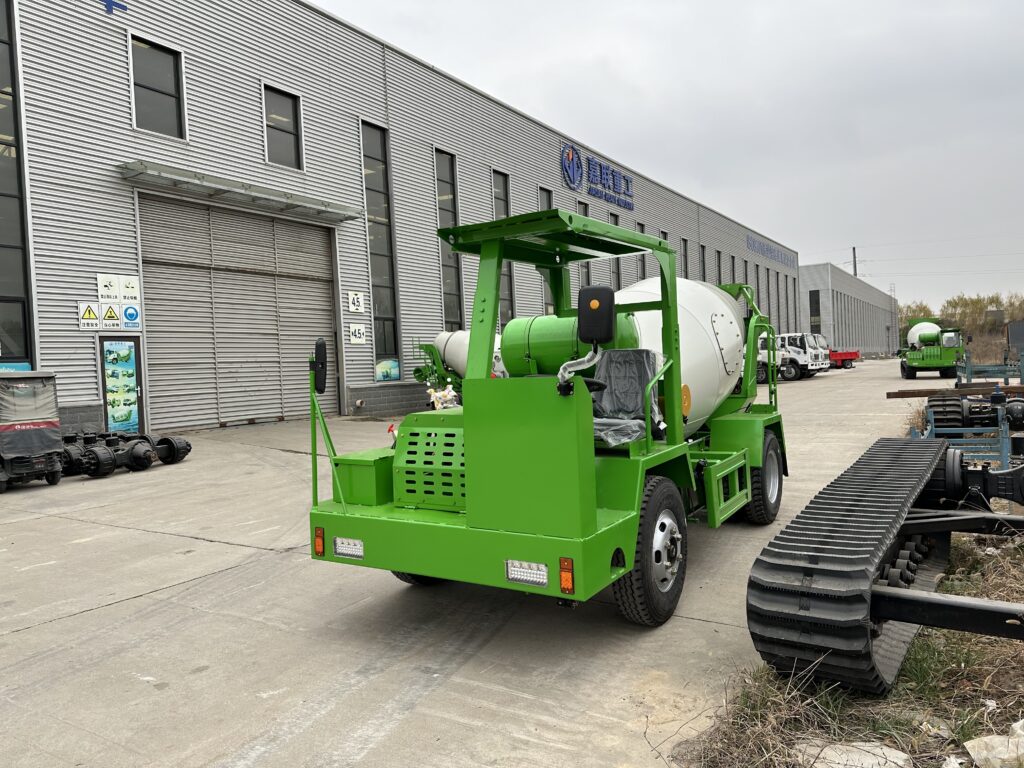
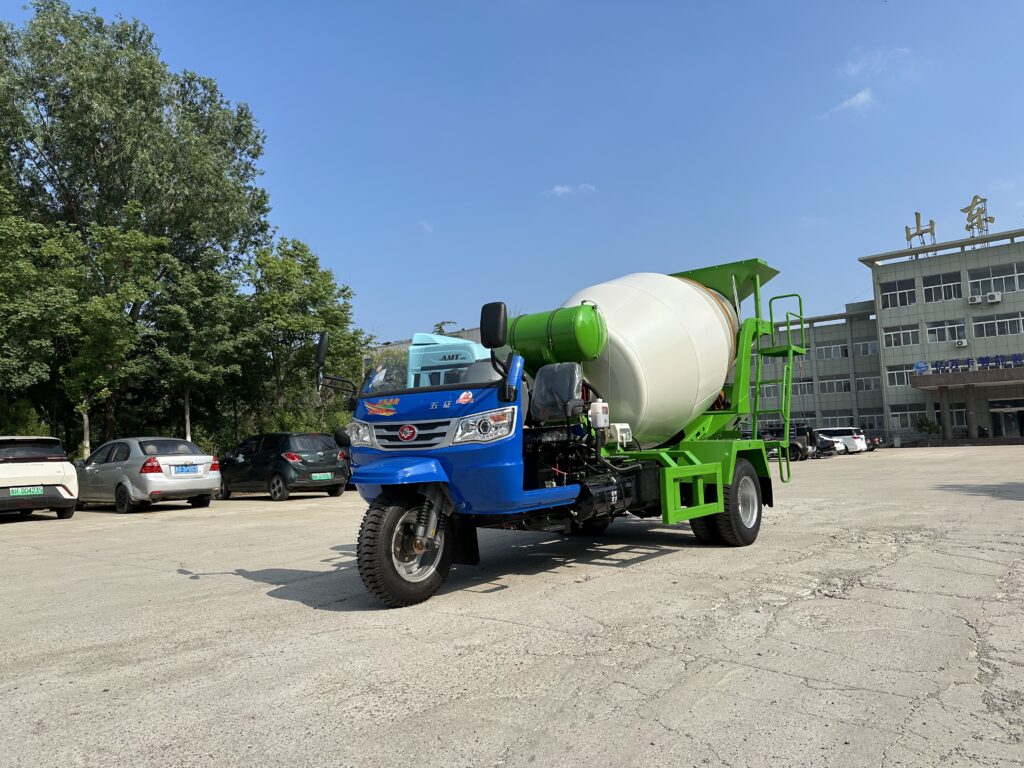
Small construction projects do not always need large construction equipment. In many cases, using a compact and flexible machine can make transportation, concrete mixing, and daily operations much easier.
A Small Concrete Mixer Truck For Small Projects is designed for contractors who need a practical concrete mixing and transportation solution for residential construction, rural projects, small roads, foundations, drainage work, and other small-scale construction applications.
Compared with large concrete mixer trucks, small models are easier to operate in limited spaces and can be more suitable for construction sites where road access and working space are restricted.
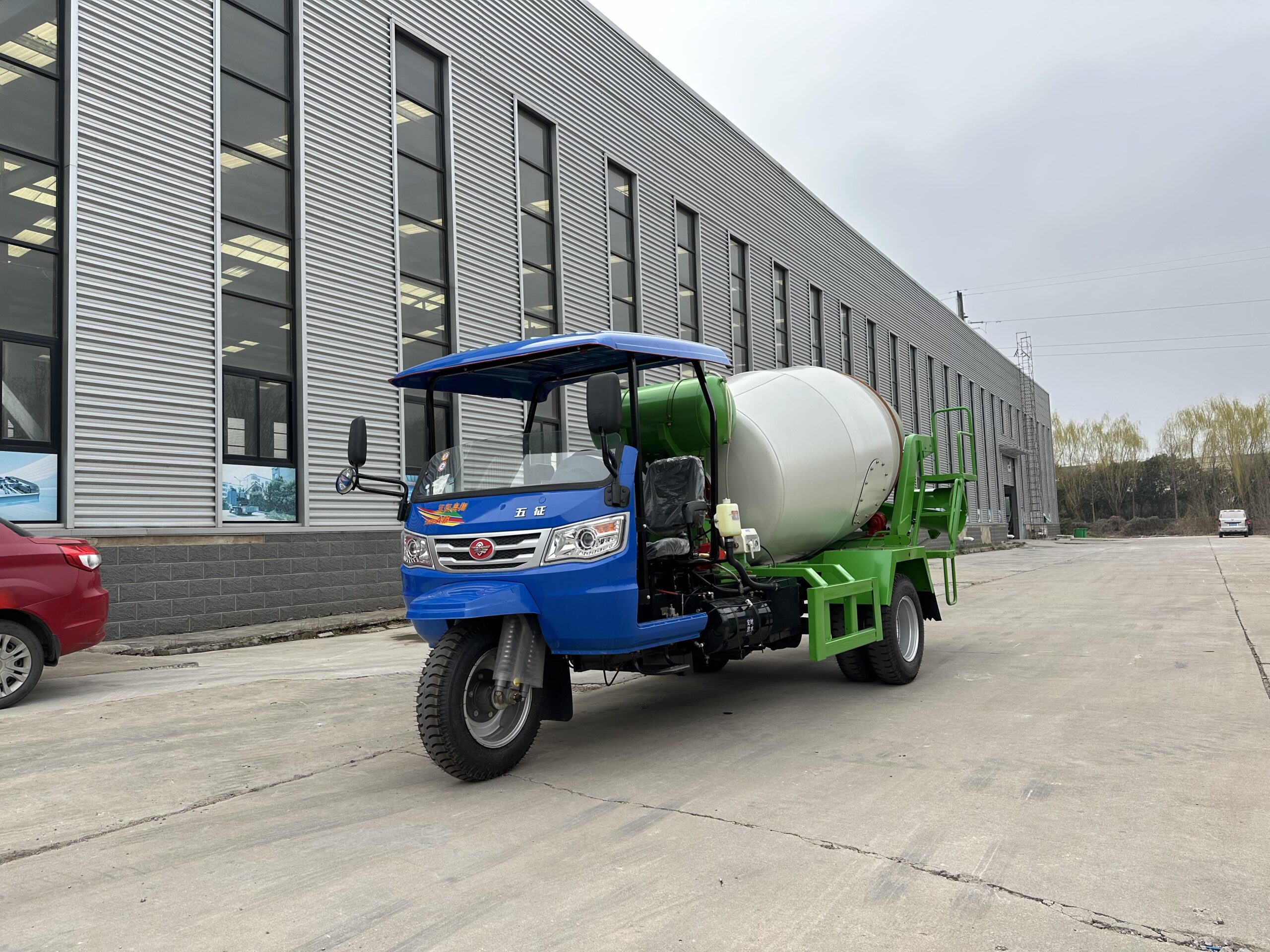 What Is a Small Concrete Mixer Truck For Small Projects?
A Small Concrete Mixer Truck is a compact vehicle designed to mix and transport concrete between the concrete supply point and the construction site.
For small construction projects, contractors may not need the large capacity and dimensions of a conventional heavy-duty mixer truck. A smaller vehicle can be easier to maneuver while still providing the concrete transportation capacity required for daily construction work.
These trucks can be used for residential buildings, rural houses, farm buildings, small road projects, foundations, drainage systems, and other construction applications.
The actual configuration can vary depending on the project. Engine power, mixing capacity, chassis configuration, drive system, discharge height, and overall vehicle dimensions should all be considered before making a purchase.
Why Choose a Small Concrete Mixer Truck for Small Projects?
The biggest advantage of using a small mixer truck is that the equipment can better match the actual requirements of a small construction site.
Large equipment is not always the best choice. When a project has limited concrete demand or difficult road access, a compact mixer truck can provide greater flexibility.
1. Easier Access to Small Construction Sites
Many small construction projects are located in residential areas, villages, farms, or locations with narrow access roads.
Large mixer trucks may have difficulty entering these areas or turning around once they arrive at the site.
A compact mixer truck is generally easier to maneuver in restricted spaces.
For projects where road width is a major concern, a Small Concrete Mixer Truck For Narrow Roads can be a practical option.
This type of equipment can be considered for village roads, residential construction sites, mountain roads, and other locations where large vehicles may have difficulty accessing the working area.
2. Suitable for Smaller Concrete Requirements
Small construction projects usually do not require the same amount of concrete as large commercial or infrastructure projects.
For example, a residential foundation may require a limited amount of concrete, while a small drainage project may need concrete delivered in several smaller batches.
Using equipment that matches the actual concrete requirement can make the construction process more manageable.
A small mixer truck can provide an appropriate balance between concrete capacity, vehicle size, and operating flexibility.
3. Better Maneuverability
Construction sites can be difficult to access.
Buildings, walls, existing roads, construction materials, and other obstacles can reduce the available working space.
A compact mixer truck can provide better maneuverability in these environments.
This can be especially useful when the truck needs to move between different parts of a construction site or operate in areas where turning space is limited.
Applications of Small Concrete Mixer Trucks
A Small Concrete Mixer Truck For Small Projects can be used in many different construction applications.
The right model depends on the specific working environment and concrete requirements.
Residential Construction
Residential construction is one of the most common applications for small mixer trucks.
Concrete may be required for foundations, floors, columns, beams, driveways, and other structural work.
A compact mixer truck can be useful when the construction site is located inside a residential area or where access roads are relatively narrow.
Rural Construction
Rural construction projects often have different requirements from urban projects.
Construction sites may be located far from concrete batching plants, and roads may be narrow or uneven.
A Small Concrete Mixer Truck For Rural Construction can be used for rural houses, farm buildings, small roads, drainage systems, foundations, and other agricultural or residential projects.
The compact vehicle size can make it easier to reach construction sites that are difficult for large mixer trucks to access.
Small Road Projects
Small road construction and repair projects may require concrete for road surfaces, drainage channels, culverts, sidewalks, or other structures.
A small mixer truck can transport concrete directly to the working area and move between different sections of the project when necessary.
This can be useful for village roads, farm access roads, residential roads, and small infrastructure projects.
Drainage and Irrigation Projects
Concrete is widely used for drainage channels, irrigation structures, culverts, and water management projects.
These construction sites can be spread across rural or agricultural areas.
A mobile concrete mixer can provide greater flexibility when the project involves multiple working locations.
Farm and Agricultural Construction
Agricultural projects may require concrete for barns, storage buildings, animal shelters, equipment foundations, irrigation structures, and other facilities.
Because these projects are often located outside urban areas, road access and transportation distance should be considered when choosing equipment.
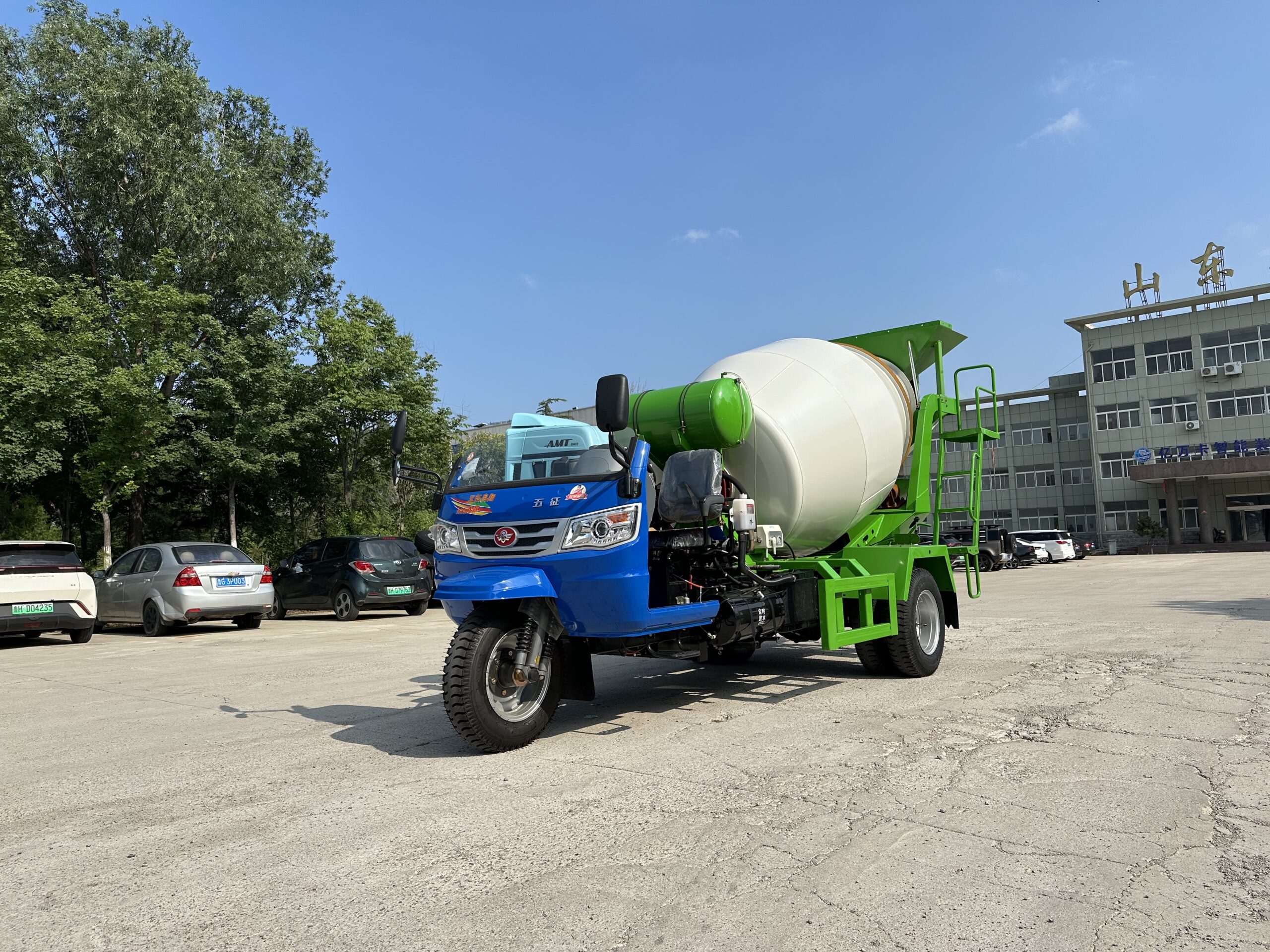 Small Concrete Mixer Truck for Remote Construction Sites
Some construction projects are located far away from cities and concrete batching plants.
Transporting ready-mixed concrete over long distances may create additional logistical challenges.
In these situations, a Small Concrete Mixer Truck For Remote Areas can provide a flexible option for contractors working away from established concrete supply networks.
Remote construction applications can include rural housing, agricultural projects, mining support construction, road projects, water infrastructure, and other small engineering works.
Before selecting a truck for remote areas, contractors should evaluate road conditions, terrain, transportation distance, required concrete output, and available service support.
What Should You Consider Before Buying?
Choosing a small concrete mixer truck should not be based only on the vehicle’s overall size.
Several technical and practical factors should be evaluated.
1. Mixing Capacity
Start by calculating how much concrete your project requires.
If the project has relatively low concrete demand, a smaller capacity may be sufficient.
If the project requires continuous concrete production throughout the day, a larger capacity may help reduce the number of operating cycles.
The goal is to choose a capacity that matches the actual workload.
2. Road Width and Access Conditions
Check the width of the roads leading to the construction site.
Also consider:
- Turning radius
- Road surface
- Maximum vehicle width
- Vehicle height
- Ground clearance
- Slopes
- Muddy or uneven terrain
These factors can have a direct impact on whether the truck can reach the construction site efficiently.
3. Chassis Configuration
The chassis is an important part of the complete vehicle.
Depending on the application, buyers may need to consider engine power, transmission, drive configuration, wheel arrangement, ground clearance, and vehicle dimensions.
For projects involving difficult terrain, the chassis should be selected according to the actual operating conditions rather than simply focusing on price.
4. Discharge Height
The discharge height should match the construction requirements.
Before purchasing, determine where the concrete will be discharged and whether the truck needs to work with pumps, molds, foundations, walls, or other structures.
Choosing the appropriate discharge configuration can make concrete placement easier.
5. Manufacturer Support
Working with an experienced Concrete Mixer Truck Manufacturer can make equipment selection easier.
A professional manufacturer can provide different vehicle configurations according to project requirements.
Instead of selecting a standard model without considering the working environment, buyers can provide information about road conditions, project location, concrete requirements, and expected daily workload.
The manufacturer can then recommend a configuration that better matches the application.
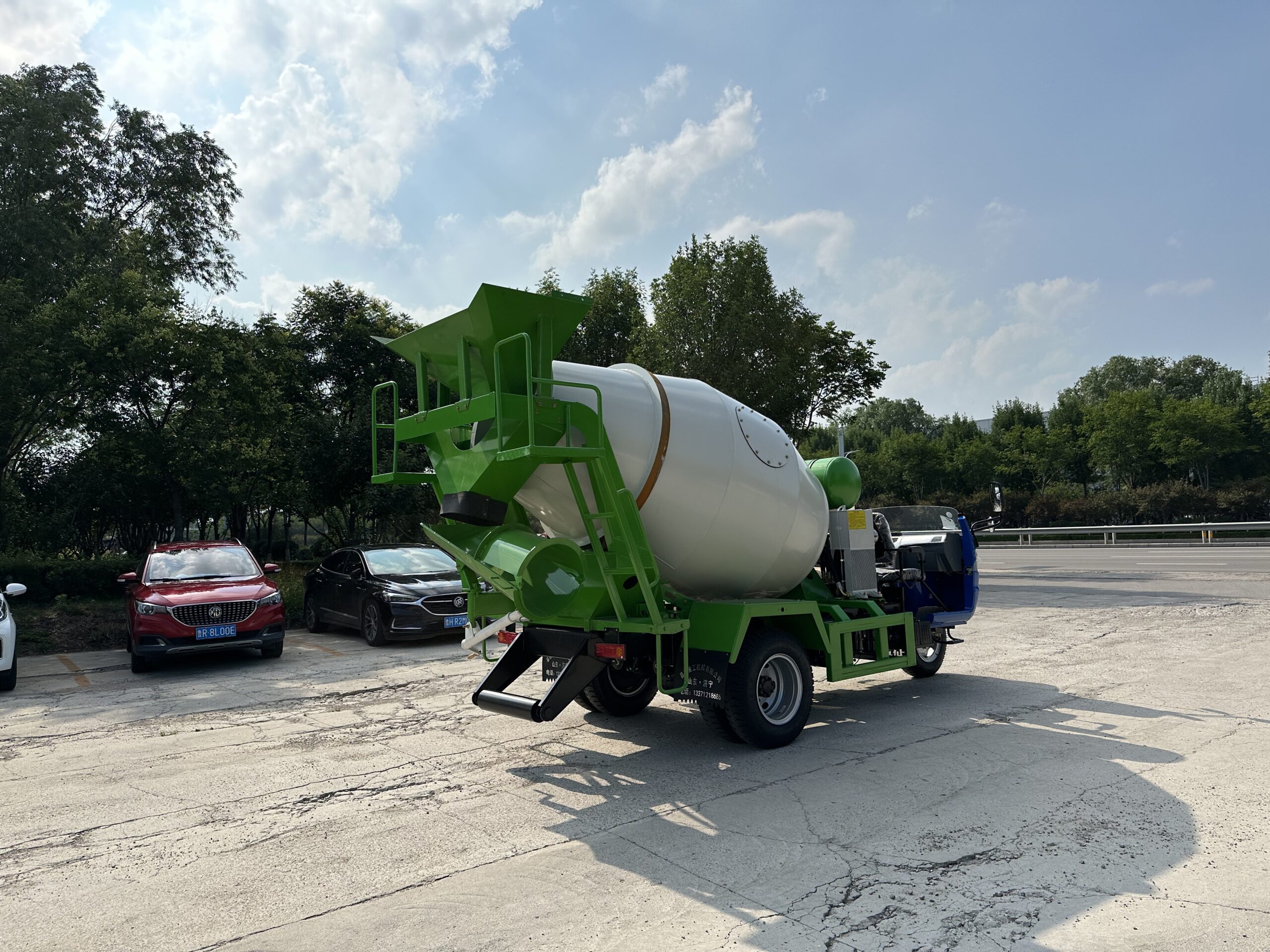 Small Concrete Mixer Truck vs. Self Loading Concrete Mixer Truck
When choosing equipment for small projects, contractors may also compare a conventional mixer truck with a Self Loading Concrete Mixer Truck.
A conventional small concrete mixer truck mainly focuses on mixing and transporting concrete.
A self-loading mixer combines more functions into one machine. Depending on the model, it can load raw materials, mix concrete, transport the mixture, and discharge the finished concrete.
This makes self-loading equipment particularly attractive for construction sites where access to a concrete batching plant is limited.
However, the two types of equipment are designed for different requirements.
If the project already has access to concrete materials and mainly needs mixing and transportation, a conventional small mixer truck may be sufficient.
If the contractor needs a machine that can handle more of the concrete production process independently, a self-loading mixer may be more suitable.
For smaller construction sites, a Small Self Loading Concrete Mixer Truck can also be considered when loading, mixing, transportation, and discharge need to be handled by one compact machine.
How to Choose the Right Model for Your Project
There is no single small concrete mixer truck that is perfect for every project.
The best model depends on the actual working conditions.
Before contacting a manufacturer, prepare the following information:
- Type of construction project
- Required concrete capacity
- Road width
- Terrain conditions
- Distance from the concrete supply point
- Required discharge height
- Expected daily workload
- Preferred vehicle size
- Working environment
For example, a small residential project inside a village may prioritize compact dimensions and maneuverability.
A remote road construction project may place more emphasis on drive configuration, ground clearance, climbing ability, and durability.
This is why project conditions should be considered before choosing a specific mixer truck model.
Is a Small Concrete Mixer Truck Worth It for Small Projects?
For many small construction projects, the answer can be yes.
The key is choosing equipment that matches the actual workload.
A large mixer truck may provide more capacity than necessary, while a very small machine may not meet the project’s daily concrete requirements.
A properly configured small mixer truck can provide a balance between concrete capacity, vehicle size, maneuverability, and operating efficiency.
For contractors working on multiple small projects, having a compact concrete mixer truck can also provide greater flexibility because the vehicle can be moved between different construction sites.
Final Thoughts
A Small Concrete Mixer Truck For Small Projects can be a practical choice for contractors working on residential construction, rural projects, small roads, drainage systems, agricultural buildings, foundations, and other small-scale applications.
The main advantages are flexibility, easier access to restricted areas, and a vehicle size that can better match smaller construction requirements.
However, the right truck should always be selected according to the actual project.
Road conditions, concrete demand, terrain, discharge requirements, chassis configuration, transportation distance, and daily workload should all be considered before purchasing.
If your project involves narrow roads, rural construction, or remote working conditions, choosing the right compact mixer truck can make concrete transportation and construction operations more convenient.
For customized requirements, working directly with an experienced Concrete Mixer Truck Manufacturer can help you compare different configurations and select a model according to your actual project conditions.
Frequently Asked Questions
What is a Small Concrete Mixer Truck For Small Projects?
A Small Concrete Mixer Truck For Small Projects is a compact concrete mixing and transportation vehicle designed for projects with relatively small concrete requirements or restricted working environments.
What projects can use a small concrete mixer truck?
Small mixer trucks can be used for residential construction, rural housing, small roads, drainage projects, agricultural construction, foundations, and other small engineering projects.
Can a small mixer truck work on narrow roads?
Yes. Compact mixer trucks are generally easier to maneuver on narrow roads than large conventional mixer trucks. However, the actual vehicle dimensions should always be checked against the road conditions.
Is a small mixer truck suitable for rural construction?
Yes. A small mixer truck can be suitable for rural construction because rural projects often involve narrow roads, uneven terrain, and construction sites that are far from concrete batching plants.
Can a small concrete mixer truck be used in remote areas?
Yes. Small mixer trucks can be used for remote construction projects where traditional ready-mix concrete transportation may be inconvenient.
What is the difference between a small mixer truck and a self-loading mixer?
A conventional small mixer truck mainly provides concrete mixing and transportation, while a self-loading mixer can combine loading, mixing, transportation, and discharge functions in one machine.
How do I choose the right small concrete mixer truck?
Consider the required concrete capacity, road width, terrain, transportation distance, discharge requirements, chassis configuration, and daily workload before choosing a model.
Where can I buy a Small Concrete Mixer Truck For Small Projects?
You can contact an experienced concrete mixer truck manufacturer and provide your project requirements. The manufacturer can recommend a suitable configuration based on your working environment and concrete requirements.