
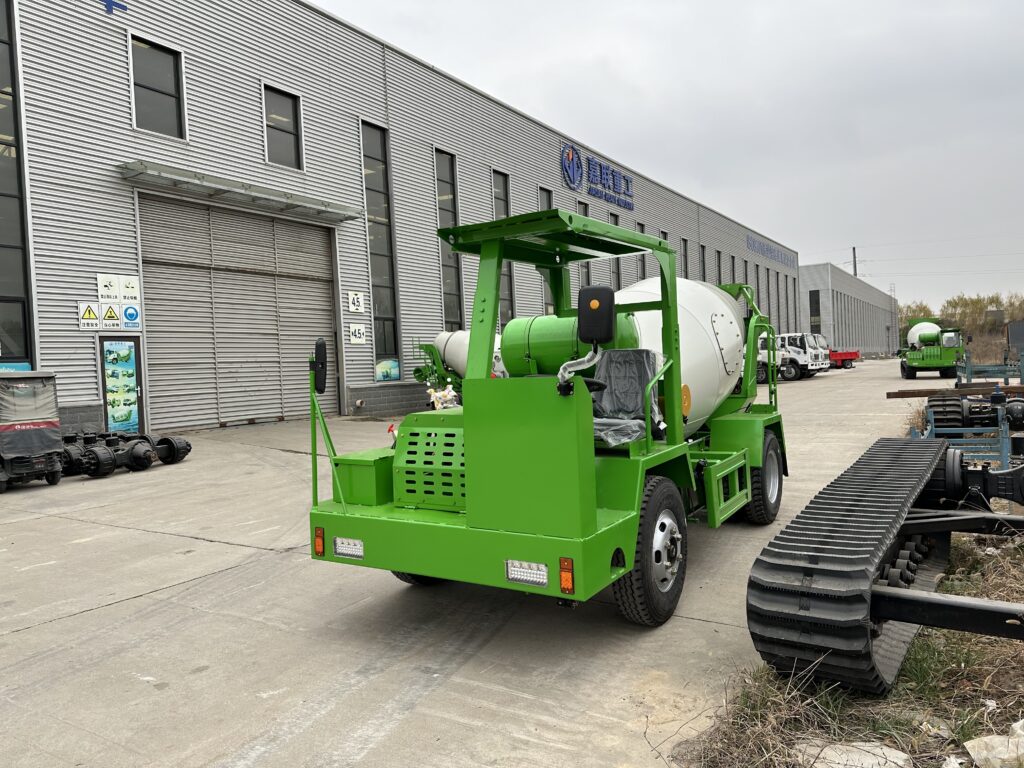
A concrete mixer truck does not have to follow one standard configuration for every construction project.
Different contractors may require different mixer capacities, chassis sizes, vehicle dimensions, discharge heights, driving systems, or hydraulic components depending on how and where the truck will be used.
A Concrete Mixer Truck With Custom Configuration allows customers to select a combination of equipment and specifications based on their actual construction requirements.
Instead of choosing a standard truck and accepting unnecessary features or unsuitable dimensions, customers can discuss their project requirements with a manufacturer and develop a more appropriate configuration before production.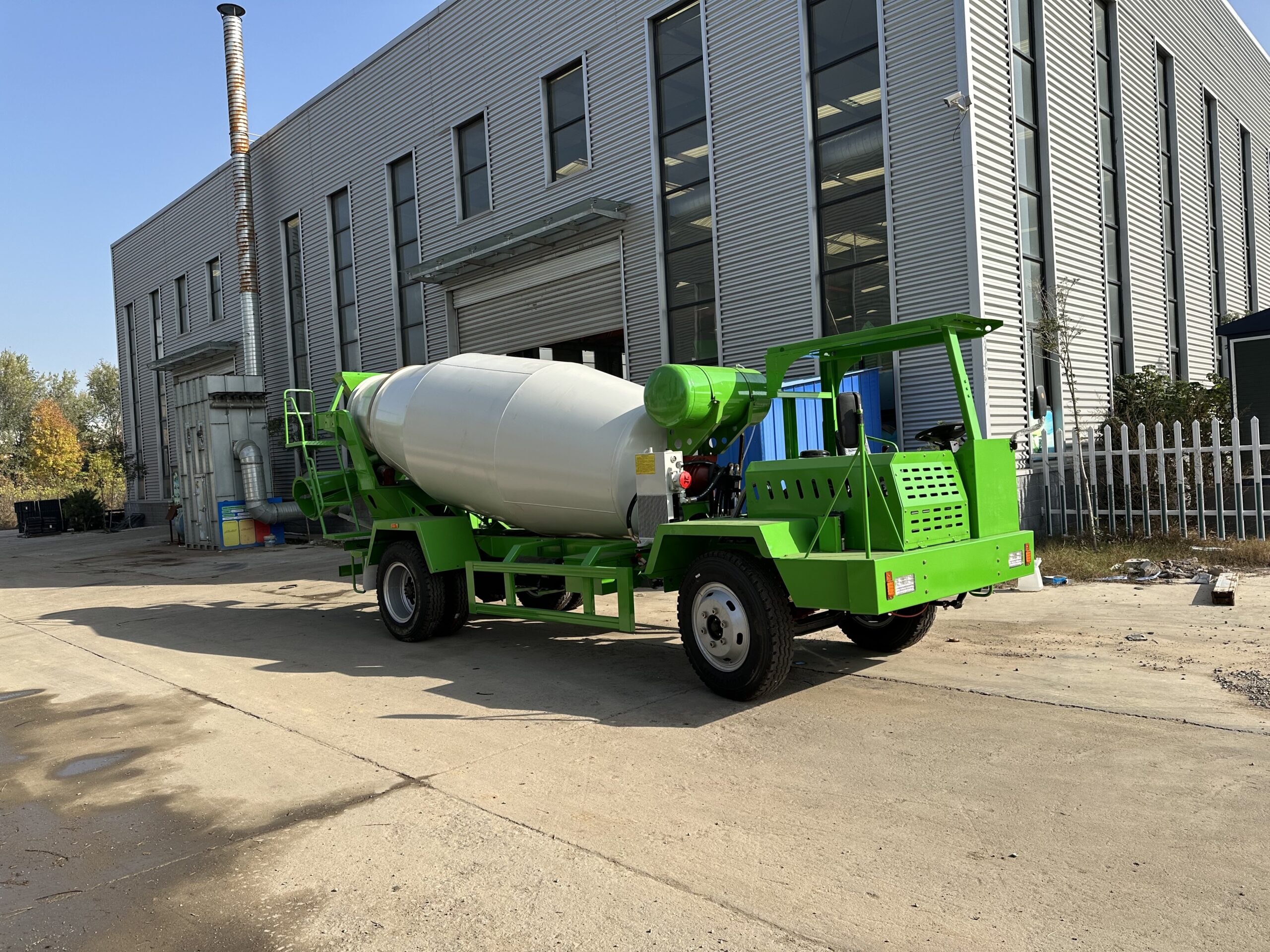
Why Custom Configuration Matters For A Concrete Mixer Truck
Construction projects can vary significantly.
A contractor working on residential buildings may have completely different requirements from a company working on roads, tunnels, mining projects, or infrastructure construction.
For example, one project may require a compact vehicle because of limited road access, while another may prioritize larger mixing capacity or a specific discharge height.
A customized configuration can take these differences into account.
The main purpose of customization is not simply to add more equipment. It is to make sure the truck’s main components work together according to the intended application.
What Can Be Customized On A Concrete Mixer Truck?
The exact customization options depend on the manufacturer and vehicle model.
However, common configuration areas include the mixer capacity, chassis, engine, dimensions, mixing drum, discharge system, hydraulic system, and driving configuration.
Mixer Capacity
Concrete demand should be one of the first factors considered when selecting a mixer truck.
A project with relatively low daily concrete demand may not need a large-capacity truck.
On the other hand, projects with continuous concrete requirements may benefit from greater mixing capacity.
When selecting capacity, customers should consider:
- Daily concrete requirements
- Number of concrete pours
- Project size
- Transportation distance
- Available working space
- Expected working frequency
For smaller construction projects, a 3m³ Small Concrete Mixer Truck may provide a practical balance between concrete capacity and vehicle size.
The correct capacity should be based on the actual project rather than simply choosing the largest available model.
Chassis Configuration
The chassis is another important part of a customized concrete mixer truck.
It affects the vehicle’s dimensions, load capacity, driving characteristics, and overall configuration.
Depending on the customer’s requirements, the chassis configuration may involve:
- Chassis brand
- Wheelbase
- Engine
- Transmission
- Drive system
- Vehicle dimensions
- Cab configuration
Customers who already have a preferred chassis should discuss this requirement with the manufacturer before production.
A suitable chassis helps ensure that the mixer system and vehicle work together as a complete solution.
Vehicle Dimensions
Vehicle dimensions can become critical when the truck needs to operate in restricted construction areas.
The customer should consider:
- Overall length
- Overall width
- Overall height
- Wheelbase
- Turning radius
- Road width
- Site entrance dimensions
For projects with limited road access, a Small Concrete Mixer Truck For Narrow Roads may be more suitable than a larger standard mixer truck.
Customization allows the vehicle configuration to be considered together with the actual working environment.
Mixing Drum Configuration
The mixing drum directly affects concrete mixing and discharge performance.
Depending on the project, customers may have different requirements for:
- Drum capacity
- Drum dimensions
- Mixing blades
- Drum material
- Rotation system
The drum should be matched to the vehicle chassis and expected concrete output.
A properly matched configuration can help maintain stable operation throughout loading, mixing, transportation, and discharge.
Discharge Configuration
Concrete does not always need to be discharged in the same way.
Some construction sites may require a higher discharge position, while others may have limited space around the pouring area.
Customers may discuss requirements such as:
- Discharge height
- Chute length
- Chute design
- Chute arrangement
- Discharge direction
This is particularly important when the mixer truck needs to deliver concrete close to walls, foundations, trenches, forms, or other structures.
Hydraulic System Configuration
The hydraulic system plays an important role in many mixer truck functions.
Depending on the vehicle design, hydraulic components may control:
- Drum rotation
- Loading functions
- Chute movement
- Other hydraulic operations
When choosing a custom configuration, the hydraulic system should be matched to the complete vehicle design.
The goal is to create a reliable working system rather than selecting individual components separately.
Engine And Power Configuration
Engine selection should match the overall vehicle configuration and working environment.
Customers may have different requirements based on:
- Vehicle size
- Expected load
- Terrain
- Operating conditions
- Local fuel availability
- Service and maintenance conditions
The manufacturer can recommend a suitable engine configuration according to the complete vehicle specification.
For export projects, customers should also consider local regulations and service conditions when selecting the power system.
Drive System For Different Working Conditions
The drive system can affect the truck’s mobility and suitability for different construction environments.
Projects on paved roads may have different requirements from projects involving:
- Uneven ground
- Construction roads
- Slopes
- Muddy areas
- Rough terrain
When discussing a Concrete Mixer Truck With Custom Configuration, customers should explain the actual road and terrain conditions rather than simply asking for the most powerful configuration.
This allows the manufacturer to recommend a more appropriate solution.
Custom Configuration For Different Construction Applications
A customized mixer truck can be configured for many different applications.
Residential Construction
Residential projects may require compact dimensions, suitable concrete capacity, and convenient discharge.
The truck can be configured according to the size of the building project and available site space.
Road Construction
Road construction and repair projects may require different vehicle dimensions and discharge arrangements depending on the road design and working area.
A suitable configuration can help the mixer truck operate more effectively around the construction site.
Tunnel Construction
Tunnel projects can have strict requirements for vehicle height, width, turning space, and concrete discharge.
In these situations, a standard configuration may not always be suitable.
A customized truck can be developed around the actual tunnel dimensions and concrete delivery requirements.
For projects requiring integrated material loading and concrete production, a Self Loading Concrete Mixer Truck can also be considered.
Mining And Engineering Projects
Mining and engineering sites may involve rough terrain, limited access, and demanding operating conditions.
Customers may require specific chassis, drive systems, dimensions, or discharge configurations.
Customization can help match the truck to these working conditions.
Standard Configuration Vs. Custom Configuration
A standard mixer truck can be a practical choice when the customer’s requirements match an existing model.
Customization becomes more valuable when the project has specific requirements.
| Factor | Standard Configuration | Custom Configuration |
|---|---|---|
| Capacity | Standard options | Selected according to project |
| Chassis | Available models | Can be specified |
| Dimensions | Fixed | Can be optimized |
| Discharge | Standard | Can be adjusted |
| Drive system | Standard | Selected for application |
| Working environment | General | Project-specific |
The purpose of customization is not necessarily to change every component.
In many cases, it means selecting the most suitable combination of available components.
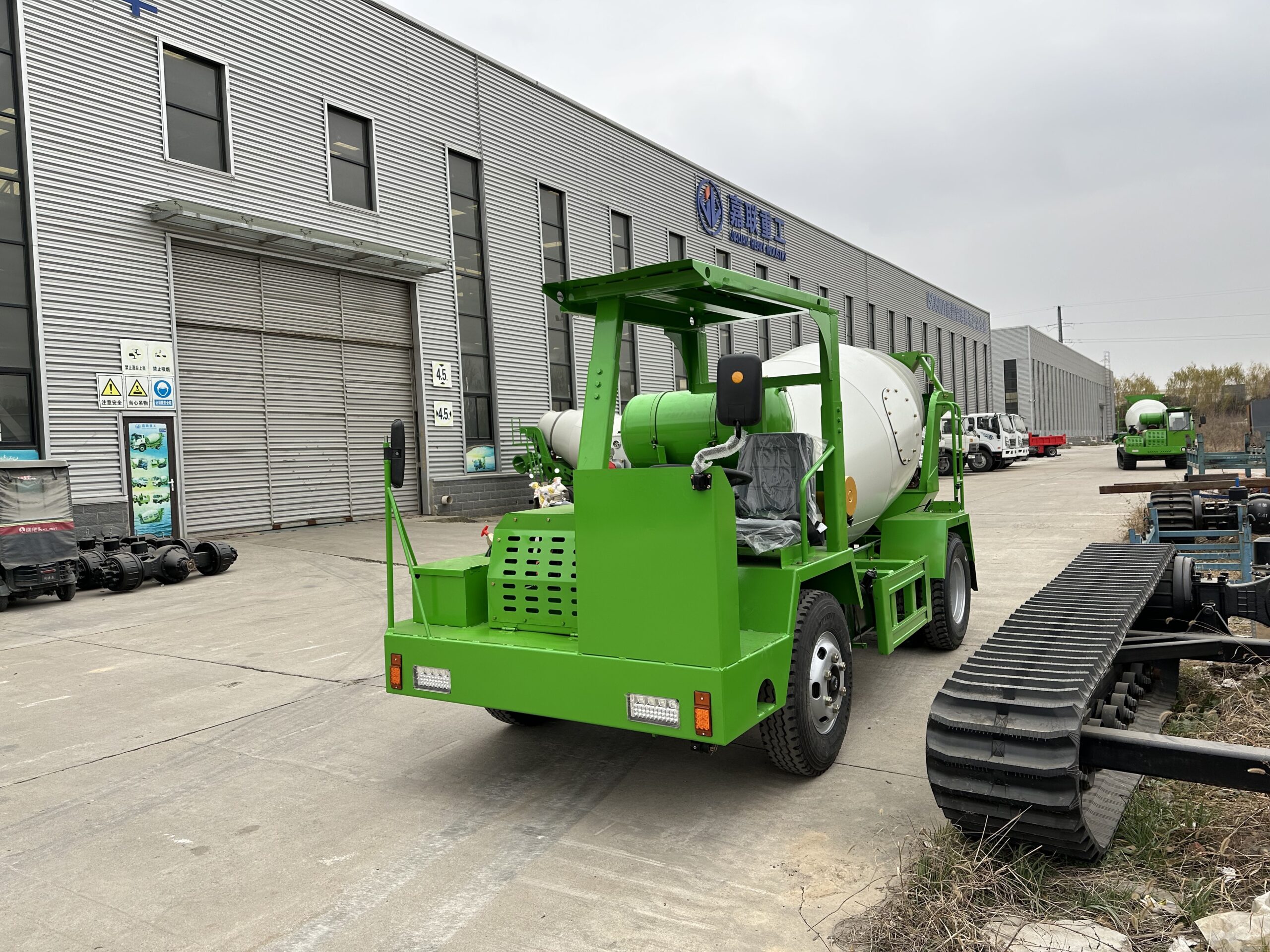 How To Select The Right Custom Configuration
Before requesting a quotation, customers should first define the actual project requirements.
Step 1: Identify The Application
Explain what the mixer truck will be used for.
For example:
- Residential construction
- Road construction
- Tunnel projects
- Mining
- Infrastructure
- General construction
Step 2: Check The Construction Site
Provide information about:
- Road width
- Site entrance
- Terrain
- Turning space
- Working height
- Concrete discharge location
Photos or videos of the site can help the manufacturer understand the application more accurately.
Step 3: Determine Concrete Requirements
Estimate:
- Required capacity
- Daily concrete demand
- Number of working cycles
- Transportation distance
This information helps determine the appropriate mixer configuration.
Step 4: Confirm Vehicle Requirements
Discuss:
- Chassis
- Engine
- Drive system
- Dimensions
- Drum
- Hydraulic system
- Discharge configuration
Step 5: Review The Final Configuration
Before production begins, review the technical specifications carefully.
The final configuration should clearly identify the major components and requirements agreed upon by both parties.
Working With A Custom Concrete Mixer Truck Manufacturer
A manufacturer with customization capabilities can provide more than a standard product.
An experienced Custom Concrete Mixer Truck Manufacturer should be able to help customers evaluate:
- Project requirements
- Vehicle configuration
- Technical specifications
- Production requirements
- Shipping arrangements
- Spare parts
- After-sales support
Direct communication with the manufacturer can also make it easier to clarify technical details before production.
This is especially important when the customer has requirements that differ from a standard model.
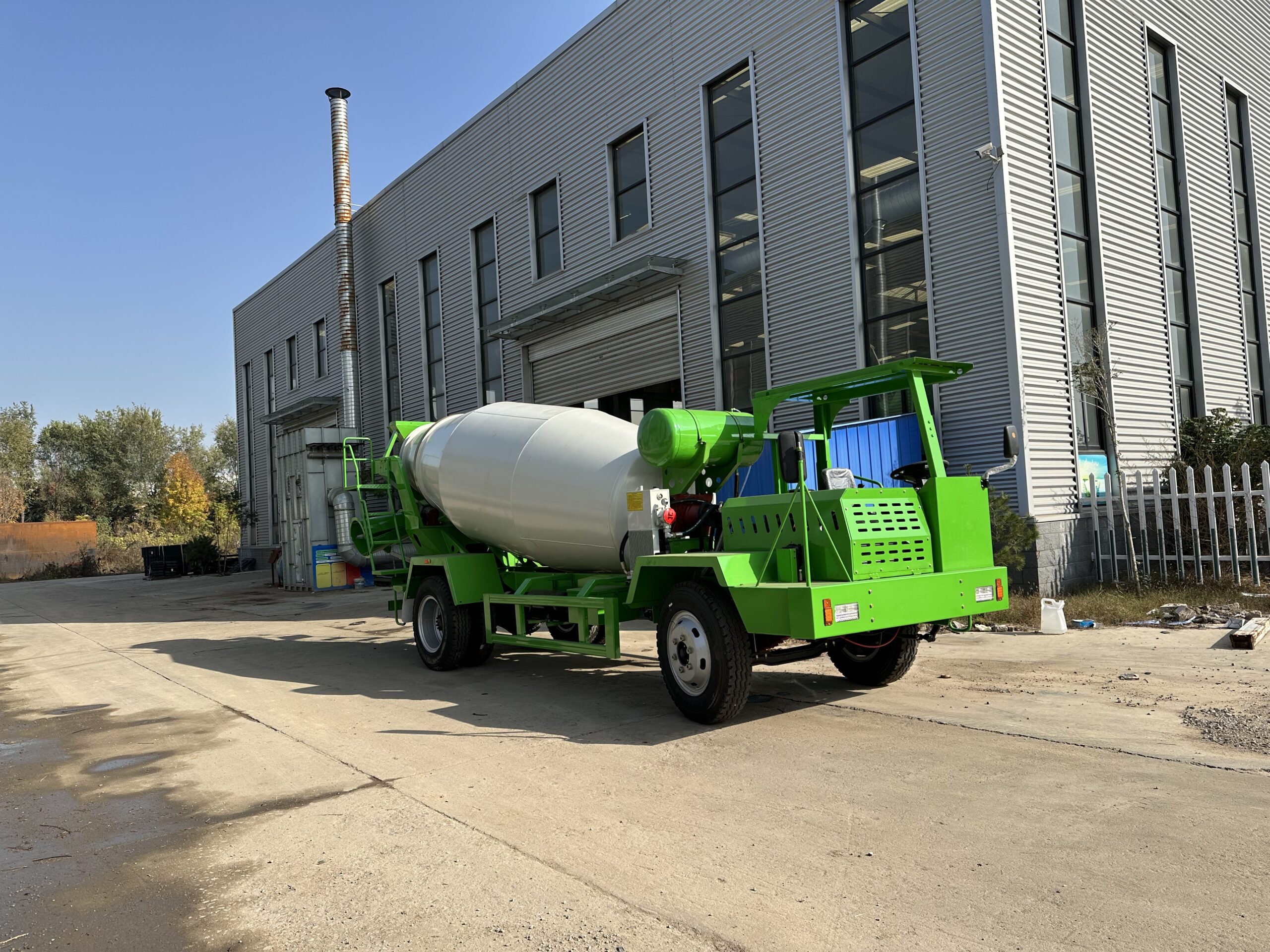 What Information Should You Send For A Custom Configuration?
When requesting a customized concrete mixer truck, provide as much practical information as possible.
Useful information includes:
- Required mixer capacity
- Preferred chassis
- Construction application
- Road conditions
- Maximum vehicle dimensions
- Required discharge height
- Terrain
- Destination country
- Quantity required
If you are unsure which configuration is suitable, you can provide the project information first.
The manufacturer can then recommend a configuration based on the actual working conditions.
Does Custom Configuration Increase The Cost?
The final price depends on the selected configuration.
Factors that can affect the cost include:
- Chassis
- Mixer capacity
- Engine
- Hydraulic components
- Special dimensions
- Customized discharge system
- Additional equipment
Customization does not necessarily mean adding expensive components.
A practical approach is to identify what the project actually requires and avoid paying for features that are not necessary.
The objective should be to achieve the right balance between equipment performance, project requirements, and total investment.
When Should You Choose A Custom Configuration?
A custom configuration may be appropriate when:
- Standard models do not fit the construction site
- A specific chassis is required
- Vehicle dimensions are restricted
- A particular discharge height is needed
- The project requires a specific capacity
- The terrain requires a particular drive system
- The truck needs to perform a specialized application
If your requirements are completely standard, an existing production model may be more economical.
Customization is most valuable when it solves a specific construction problem.
Conclusion
A Concrete Mixer Truck With Custom Configuration gives contractors more flexibility when standard mixer truck specifications do not fully match their projects.
By considering the mixer capacity, chassis, vehicle dimensions, drum, hydraulic system, engine, drive system, and discharge configuration together, customers can develop a truck that better matches their actual construction requirements.
The best customized mixer truck is not necessarily the one with the most features.
It is the configuration that provides the right combination of capacity, mobility, dimensions, operation, and concrete discharge for the intended project.
Before ordering, provide the manufacturer with detailed information about the construction site and working requirements. This makes it easier to select a practical configuration and avoid unnecessary modifications after production.
