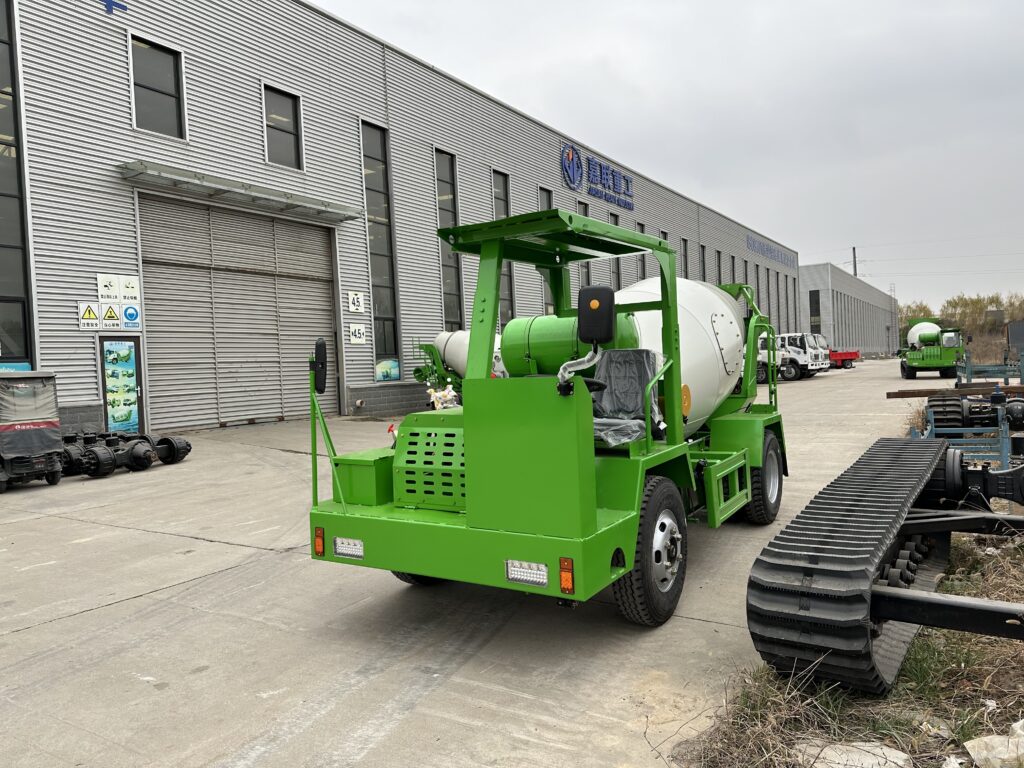
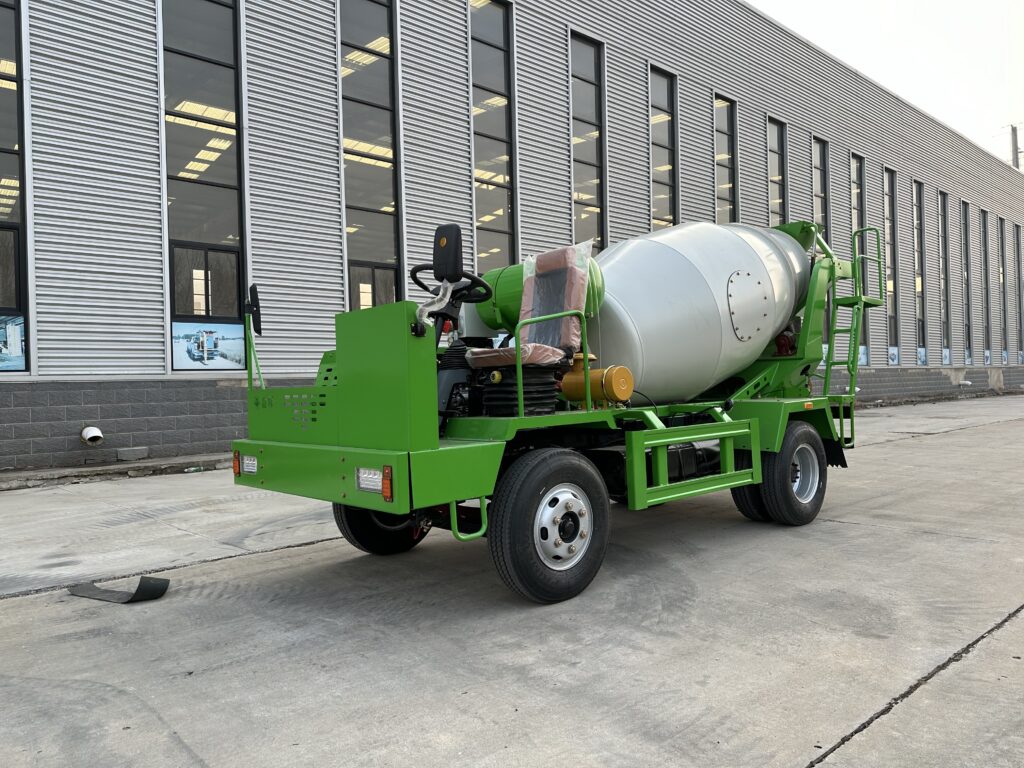
Not every construction project can use the same standard concrete mixer truck.
Different projects may require different vehicle dimensions, concrete capacities, chassis configurations, discharge heights, driving systems, or mixing arrangements.
For these applications, a Custom Built Concrete Mixer Truck can provide a more suitable solution.
Instead of choosing a standard vehicle and adapting the construction project around it, customers can discuss their actual requirements with the manufacturer and develop a mixer truck configuration around the intended application.
This approach is particularly useful when standard models cannot fully meet the requirements of a specific construction project.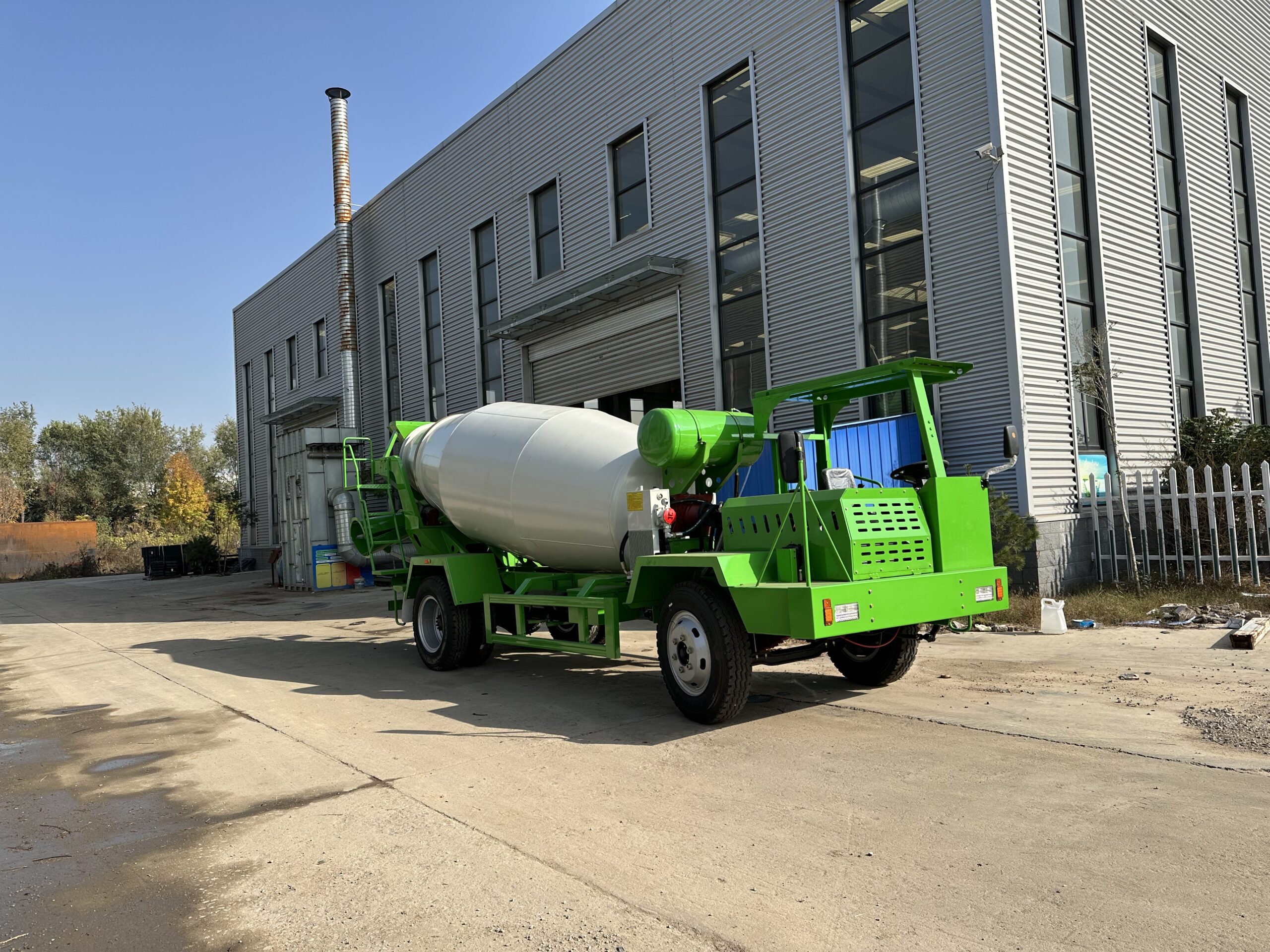
What Is A Custom Built Concrete Mixer Truck?
A custom built concrete mixer truck is a mixer truck manufactured according to specific customer or project requirements.
The customization can involve different aspects of the vehicle, depending on the project.
For example, customers may have requirements related to:
- Concrete mixing capacity
- Chassis type
- Vehicle dimensions
- Engine configuration
- Driving system
- Drum configuration
- Discharge height
- Chute arrangement
- Hydraulic system
- Operating environment
The goal is not simply to modify a standard truck.
Instead, the manufacturer evaluates the customer’s requirements and selects or develops a suitable configuration for the intended application.
Why Choose A Custom Built Concrete Mixer Truck?
Standard Models May Not Fit Every Project
Standard mixer trucks are designed for common construction applications.
However, some projects have specific limitations.
For example, a customer may need a mixer truck that:
- Fits through a narrow entrance
- Has a specific discharge height
- Uses a particular chassis
- Provides a certain concrete capacity
- Works in a special construction environment
In these situations, a standard model may require compromises.
A custom-built solution allows the equipment configuration to be considered before production.
Match The Truck To The Construction Site
The construction site should be one of the most important factors when selecting a mixer truck.
Before production, customers can provide information about:
- Road width
- Site dimensions
- Ground conditions
- Working height
- Turning space
- Concrete delivery requirements
The manufacturer can then use this information to recommend a suitable vehicle configuration.
For projects with restricted access, for example, a Small Concrete Mixer Truck For Narrow Roads may be more appropriate than a conventional large mixer truck.
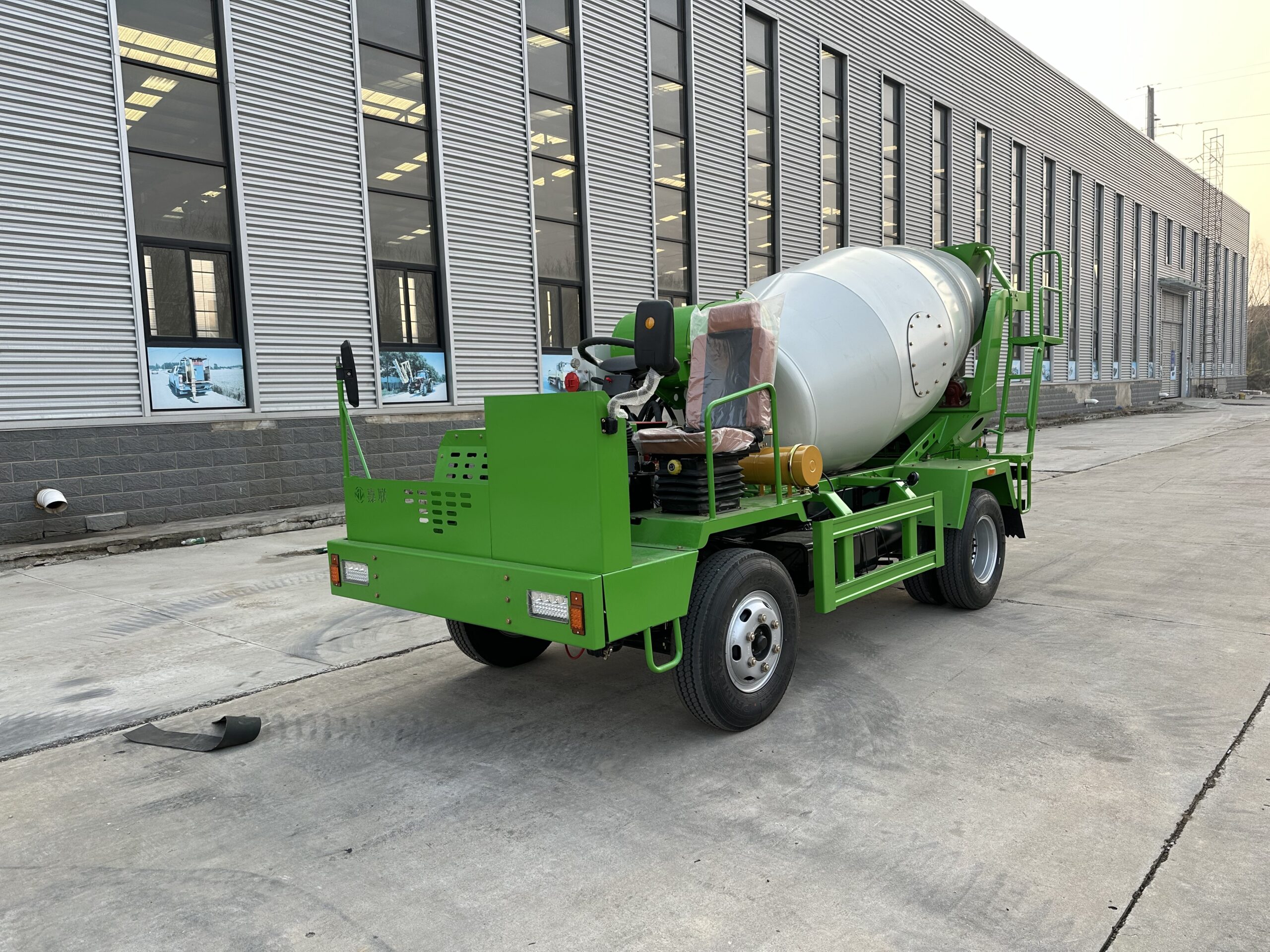 What Parts Of A Concrete Mixer Truck Can Be Customized?
Customization depends on the manufacturer’s capabilities and the customer’s requirements.
Mixer Capacity
Concrete demand can vary significantly between projects.
A small residential project may require a compact mixer, while a larger construction project may require greater concrete output.
Customers can discuss the appropriate mixing capacity based on:
- Daily concrete demand
- Number of concrete pours
- Project size
- Transportation distance
- Available working space
The goal is to select a capacity that matches actual project requirements instead of simply choosing the largest available model.
Chassis Configuration
The chassis affects the overall dimensions and operating characteristics of the mixer truck.
Depending on the project, customers may have requirements for:
- Chassis brand
- Wheelbase
- Vehicle dimensions
- Engine
- Transmission
- Drive system
If a customer already has a preferred chassis, this should be discussed with the manufacturer before production.
Mixing Drum
The mixing drum is another important component.
Depending on the required configuration, customers may discuss:
- Drum capacity
- Drum dimensions
- Mixing blade design
- Drum material
- Rotation system
The selected configuration should provide reliable mixing performance while matching the vehicle’s overall design.
Discharge System
Different construction projects may require different discharge arrangements.
The discharge height and chute configuration can affect how easily concrete reaches the required pouring location.
Customization may involve:
- Discharge height
- Chute length
- Chute configuration
- Discharge direction
This can be particularly important when the truck needs to work close to buildings, foundations, walls, or other structures.
Hydraulic System
Hydraulic components control several important functions of a mixer truck.
Depending on the vehicle configuration, hydraulic systems may be used for:
- Drum rotation
- Loading operations
- Chute movement
- Other hydraulic functions
The hydraulic system should be selected according to the overall vehicle configuration and intended working conditions.
Custom Built Concrete Mixer Truck For Different Applications
A custom-built mixer truck can be developed for different types of construction projects.
Residential Construction
Residential projects often have limited space and varying concrete requirements.
A customized truck can be configured according to:
- Building size
- Site access
- Concrete demand
- Required discharge height
This can help contractors use equipment that better matches the actual construction site.
Road Construction And Repair
Road projects can involve different terrain, road widths, and concrete requirements.
A custom configuration can take these factors into consideration.
For smaller road projects, a compact mixer truck may provide easier access and better mobility.
Mining And Engineering Projects
Mining and engineering projects can have more demanding working environments.
Depending on the project, customers may require:
- Special vehicle dimensions
- Improved mobility
- Specific discharge arrangements
- Customized chassis configurations
For projects that require a more integrated concrete production system, a Self Loading Concrete Mixer Truck can combine material loading, mixing, transportation, and discharge functions.
Tunnel Construction
Tunnel construction can involve strict limitations on vehicle dimensions and discharge requirements.
The available height, width, turning space, and concrete delivery method may all influence the mixer truck configuration.
In these applications, discussing the project requirements with the manufacturer before production can be especially important.
Custom Built Concrete Mixer Truck Vs. Standard Model
A standard mixer truck is suitable when the customer’s requirements match an existing configuration.
A custom-built truck is more suitable when specific requirements need to be addressed.
| Feature | Standard Mixer Truck | Custom Built Mixer Truck |
|---|---|---|
| Configuration | Standard | Project-based |
| Capacity | Fixed options | Selected according to requirements |
| Dimensions | Standard | Can be optimized |
| Chassis | Available models | Can be discussed |
| Discharge | Standard | Can be customized |
| Application | General | Specific requirements |
Customization does not necessarily mean changing every part of the truck.
In many cases, it means selecting the right combination of existing components to create a configuration that better matches the customer’s project.
 How Does The Customization Process Work?
A professional customization process should begin with the customer’s actual requirements.
Step 1: Explain The Project
The customer should provide basic information about the construction project.
Useful information includes:
- Project type
- Construction location
- Daily concrete demand
- Road conditions
- Site limitations
Step 2: Confirm Technical Requirements
The customer and manufacturer can discuss:
- Mixer capacity
- Chassis
- Vehicle dimensions
- Engine
- Drive system
- Discharge requirements
If the customer is unsure about the exact configuration, the manufacturer can recommend suitable options based on the project.
Step 3: Confirm The Configuration
Before production, the technical configuration should be reviewed carefully.
This is the stage to confirm important specifications and avoid misunderstandings.
Step 4: Production
After the configuration is confirmed, the manufacturer begins production according to the agreed requirements.
Quality inspection should be performed before shipment.
Step 5: Delivery And Support
After production, the equipment can be prepared for shipment according to the customer’s destination and transportation requirements.
A professional Custom Concrete Mixer Truck Manufacturer should also provide technical documentation and after-sales support.
What Information Should You Provide When Requesting A Custom Mixer Truck?
The more complete the project information, the easier it is for the manufacturer to recommend an appropriate configuration.
Customers can provide:
- Required concrete capacity
- Preferred chassis
- Construction application
- Road width
- Maximum vehicle dimensions
- Required discharge height
- Working terrain
- Destination country
- Quantity required
Photos and videos of the construction site can also help the manufacturer understand the actual working conditions.
Is A Custom Built Concrete Mixer Truck More Expensive?
The cost of a custom-built mixer truck depends on the configuration.
Factors that can affect the final cost include:
- Mixer capacity
- Chassis
- Engine
- Hydraulic components
- Customized dimensions
- Special discharge requirements
- Additional equipment
Customization does not automatically mean that every component must be upgraded.
A good manufacturer should first understand the project requirements and then recommend a practical configuration.
This helps customers avoid paying for features they do not actually need.
How To Choose A Custom Concrete Mixer Truck Manufacturer
Choosing the right manufacturer is an important part of the customization process.
Look for a manufacturer that can provide:
- Technical customization
- Factory production
- Clear specifications
- Quality inspection
- Spare parts
- Technical support
- International shipping
An experienced manufacturer should be able to discuss both the technical requirements and the practical construction application.
This is particularly important for customers who are purchasing equipment for a special project rather than a standard application.
When Is Customization Worth Considering?
A custom-built mixer truck may be worth considering when:
- Standard models do not fit the construction site
- The project requires a specific capacity
- A particular chassis is required
- Vehicle dimensions are restricted
- Discharge height is important
- The truck needs to work in a special environment
- The customer requires a specific configuration
For customers whose requirements are completely standard, an existing model may be a more economical choice.
Customization is most valuable when it solves a real project requirement.
Conclusion
A Custom Built Concrete Mixer Truck allows contractors and construction companies to select a vehicle configuration based on their actual project requirements.
Instead of adapting the construction site to a standard machine, customers can work with the manufacturer to consider factors such as capacity, chassis, dimensions, mixing drum, discharge system, and operating environment before production.
This makes custom-built mixer trucks particularly useful for specialized construction projects where standard equipment cannot provide the right combination of features.
The most effective customization is not about adding as many features as possible. It is about creating a practical mixer truck configuration that matches the project’s concrete demand, site conditions, and operating requirements.