Small construction projects do not always need a large fleet of concrete equipment.
For contractors working on small buildings, local roads, foundations, repair work, and other limited-scale projects, using separate machines for material loading, concrete mixing, and transportation can increase equipment costs and make daily operations more complicated.
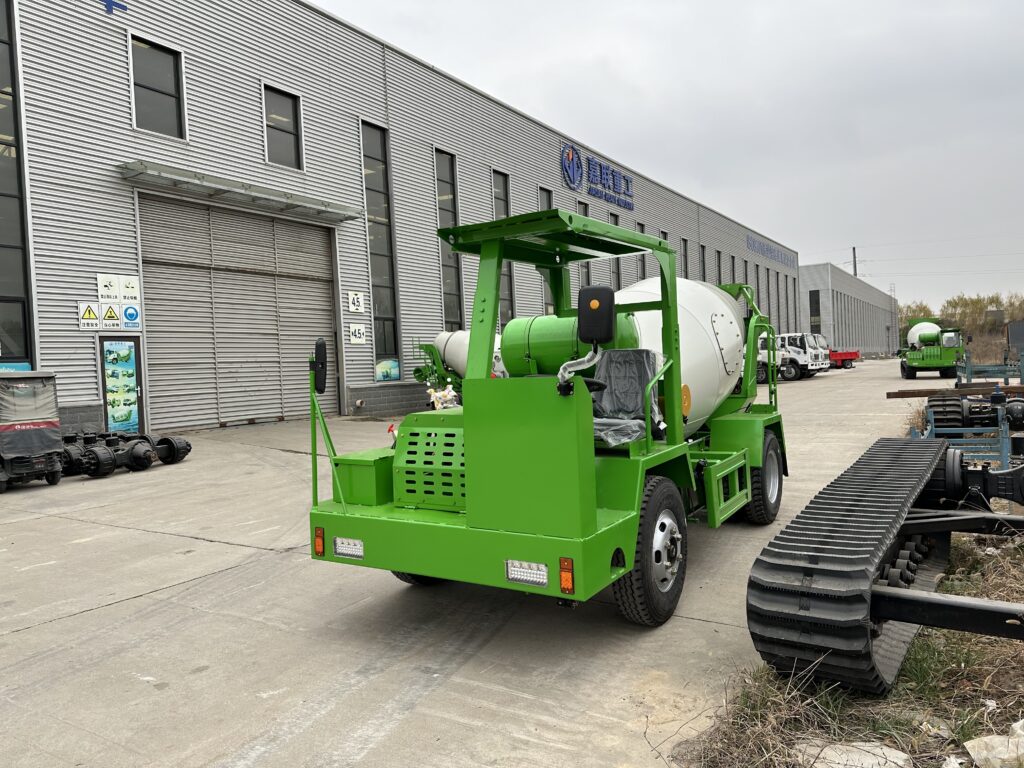
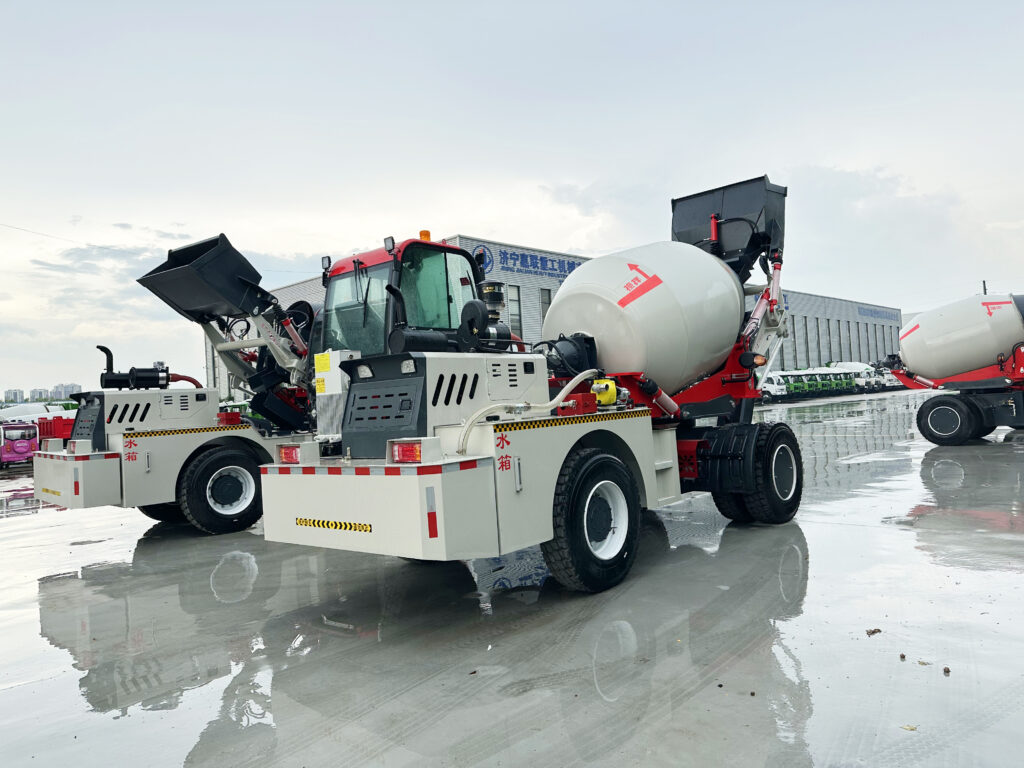
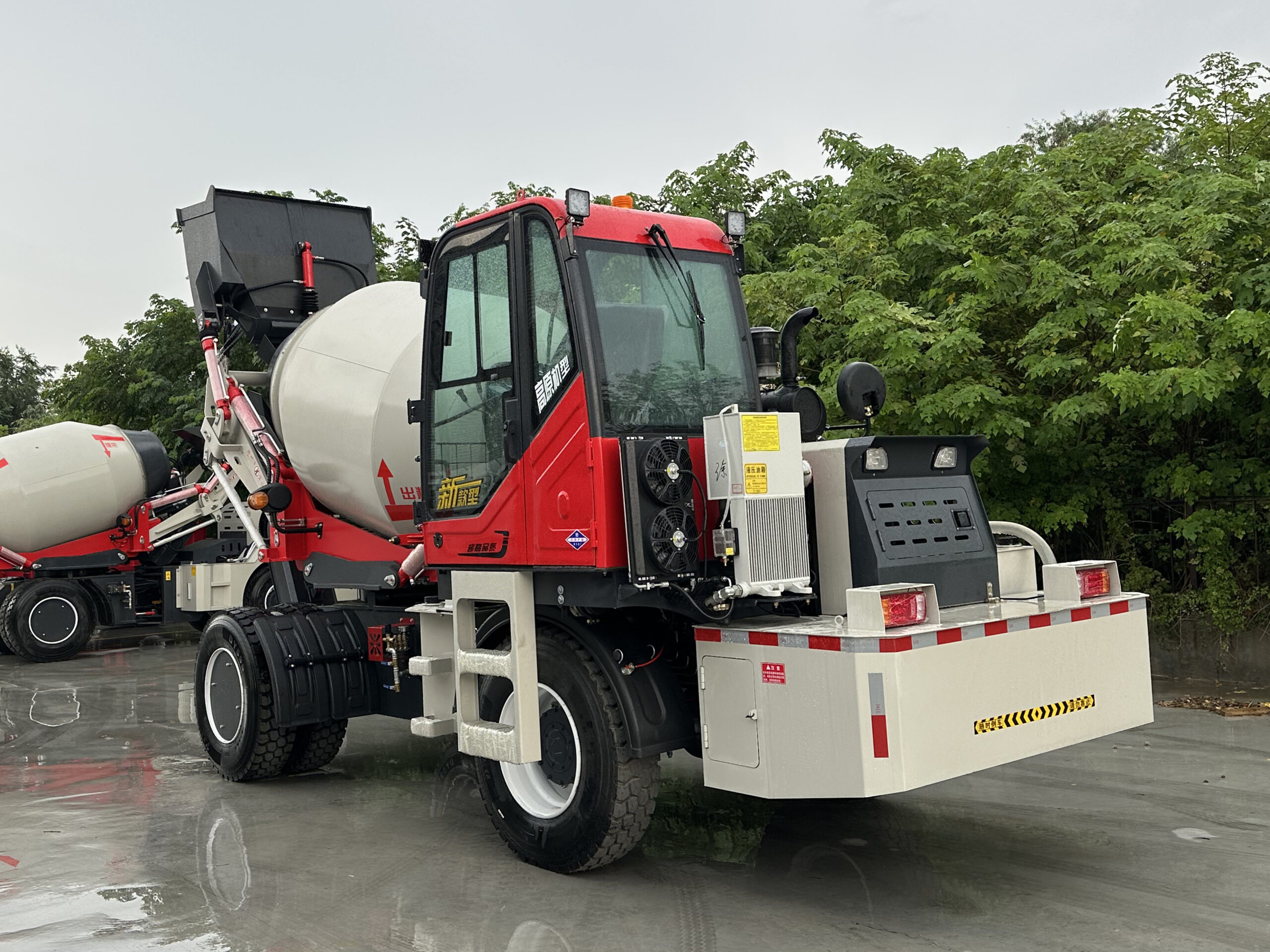
A Self Loading Mixer Truck For Small Projects combines several important functions in one machine. It can load raw materials, mix concrete, transport the mixture, and discharge it at the construction site.
This integrated design makes the machine a practical option for contractors who need flexible concrete production without investing in multiple pieces of equipment.
Why Small Projects Need Flexible Concrete Equipment
Small construction projects are different from large infrastructure projects.
A large project may have a concrete batching plant, wheel loaders, mixer trucks, and other dedicated equipment working together.
A small contractor may only need a limited amount of concrete each day.
In this situation, using several machines can create unnecessary costs and management work.
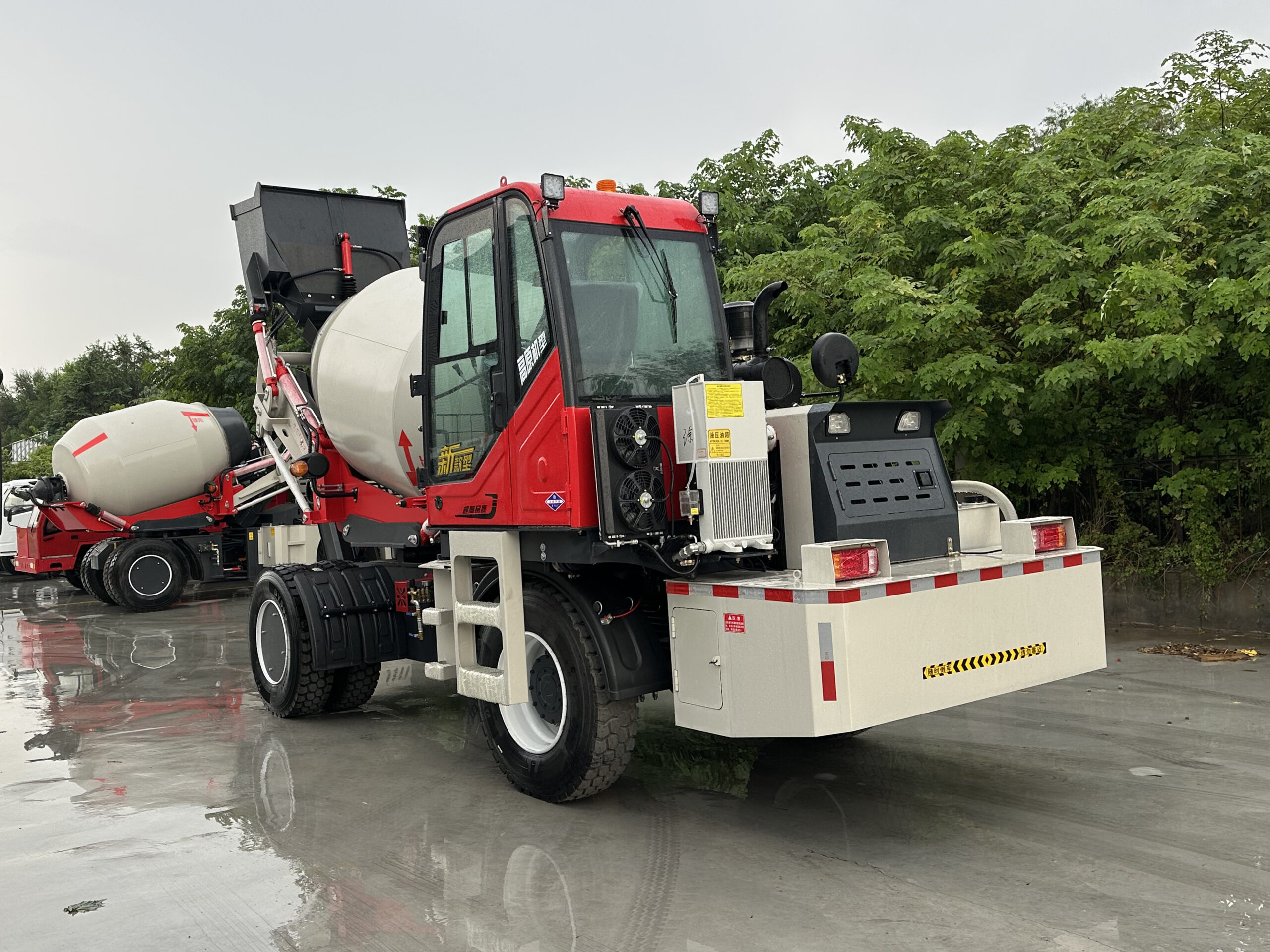
A self loading mixer truck can combine multiple functions into one vehicle, helping simplify the concrete production process.
Instead of arranging separate equipment for every stage, the operator can complete the main concrete production process with one machine.
How A Self Loading Mixer Truck Works
A self loading mixer truck is designed to complete several steps in one working cycle.
The basic process includes:
- Loading aggregates with the built-in loading system
- Adding cement and water
- Mixing the concrete inside the drum
- Driving to the required pouring location
- Discharging the finished concrete
This integrated process is particularly useful when construction sites do not have enough space or resources for a complete concrete production system.
For small projects, reducing the number of machines involved can make daily construction management easier.
Advantages For Small Construction Projects
One Machine For Multiple Tasks
One of the main advantages is that the machine combines multiple functions.
A conventional concrete production process may require:
- A loader
- A concrete mixer
- A transport vehicle
- Additional operators
A self loading mixer truck integrates these functions into one mobile unit.
This can reduce the number of machines required at the construction site.
Less Dependence On External Concrete Supply
Small construction projects may not always have convenient access to commercial concrete suppliers.
When a project is located far from a batching plant, transporting ready-mixed concrete can become less convenient.
A self loading mixer truck allows contractors to produce concrete closer to the point of use.
This gives contractors more control over when and where concrete is produced.
Flexible Concrete Production
Small projects rarely require exactly the same amount of concrete every day.
The concrete requirement may change depending on the construction stage.
For example, a contractor may need more concrete for foundations and less concrete during finishing work.
A self loading mixer truck allows concrete production to be adjusted according to actual project requirements.
This can help reduce unnecessary concrete transportation and waiting time.
What Small Projects Can Use A Self Loading Mixer Truck?
A Self Loading Mixer Truck For Small Projects can be used for many types of construction.
Small Building Construction
The machine can be used for:
- Building foundations
- Floors
- Columns
- Small structures
- Residential buildings
For contractors working on individual buildings or small construction sites, having an independent concrete production solution can be useful.
Road Repair Projects
Small road repair projects may require concrete at different locations.
Instead of transporting large quantities of concrete from a distant plant, a self loading mixer can produce and transport concrete according to the actual repair requirements.
Typical applications include:
- Road repairs
- Drainage construction
- Small pavement projects
- Roadside structures
Agricultural Construction
Agricultural projects often involve construction sites with limited infrastructure.
Applications may include:
- Farm buildings
- Storage facilities
- Equipment foundations
- Livestock facilities
- Agricultural roads
A mobile mixer can move between different areas and produce concrete when needed.
Small Infrastructure Projects
Local infrastructure projects can also benefit from flexible concrete equipment.
Examples include:
- Small bridges
- Drainage systems
- Water facilities
- Community buildings
- Utility structures
The ability to produce concrete directly at or near the project site can simplify logistics.
Self Loading Mixer Truck Vs. Traditional Concrete Supply
For a small project, the most suitable concrete solution depends on the project conditions.
| Factor | Traditional Concrete Supply | Self Loading Mixer Truck |
|---|---|---|
| Concrete source | External supplier | Produced by the machine |
| Loading equipment | Usually separate | Integrated |
| Transportation | Separate delivery | Integrated |
| Site flexibility | Depends on delivery | High |
| Equipment required | Multiple systems | One main machine |
| Small project adaptability | Depends on location | High |
This does not mean a self loading mixer truck is always the best option.
If a project has easy access to a reliable batching plant and requires large quantities of ready-mixed concrete, traditional concrete delivery may be more practical.
However, for smaller projects that require flexibility, an integrated mixer can offer significant advantages.
 How It Can Help Small Contractors
Small contractors often need to control both equipment investment and operating costs.
Purchasing several machines for a relatively small project may not make economic sense.
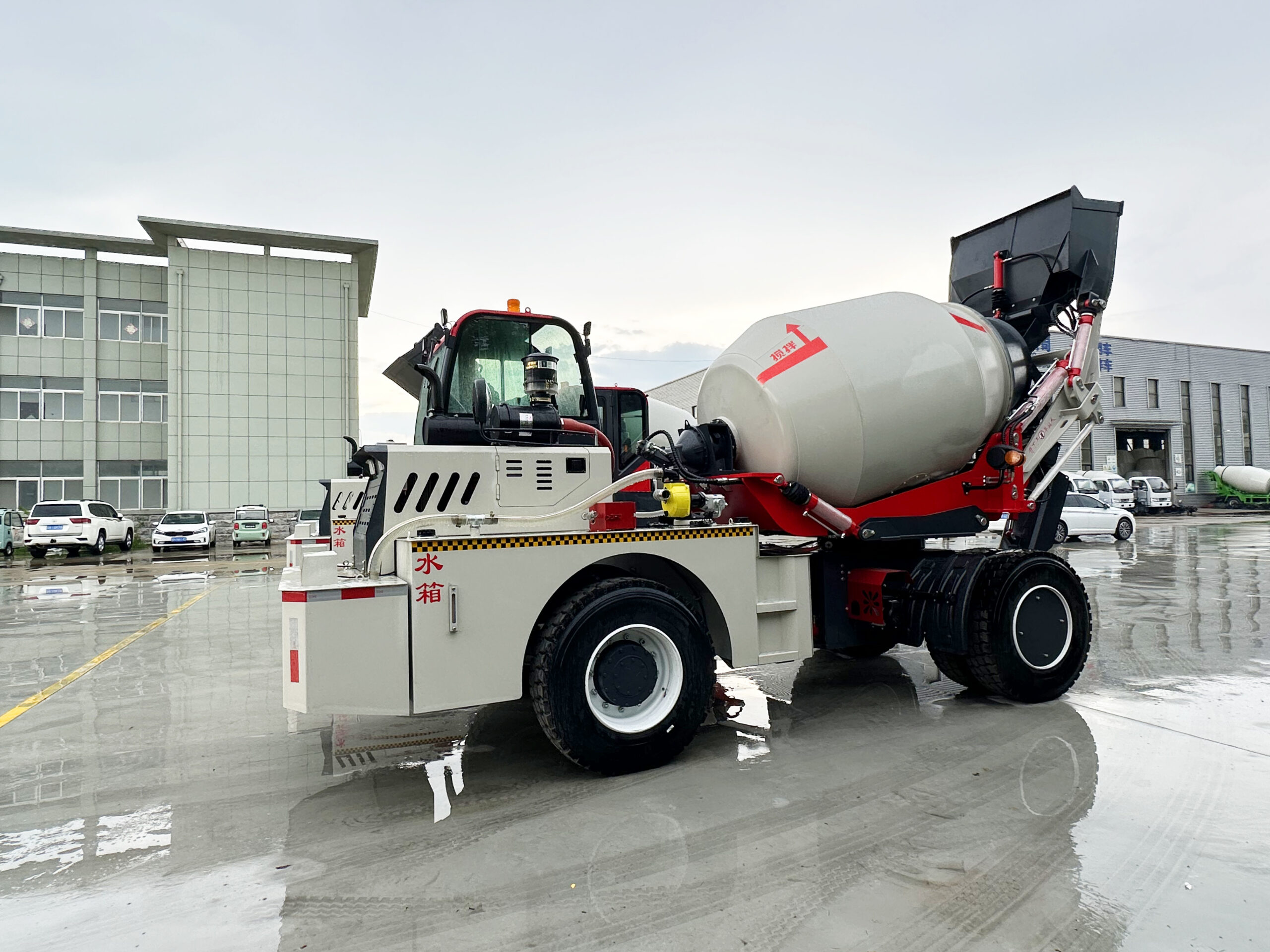
A self loading mixer truck can reduce the need for separate equipment and simplify the workforce required for concrete production.
This can be particularly useful for contractors who:
- Work on multiple small projects
- Move between different job sites
- Have limited equipment
- Need independent concrete production
- Want to reduce dependence on concrete suppliers
For contractors who primarily work on smaller construction jobs, a Small Self Loading Concrete Mixer Truck can provide a more compact equipment solution.
Important Factors When Choosing A Self Loading Mixer Truck
Not every self loading mixer truck is configured in the same way.
Before purchasing, contractors should consider several factors.
Concrete Capacity
Choose a capacity according to the project’s actual concrete requirements.
Consider:
- Daily concrete demand
- Average batch requirements
- Project duration
- Transportation distance
A larger capacity is not automatically better if the project does not require it.
Vehicle Size
The dimensions of the machine should match the construction environment.
Consider:
- Road width
- Site access
- Turning space
- Working area
- Maximum vehicle height
For projects with restricted access, a compact machine may be more useful than a larger model.
Driving System
The driving system should match the terrain where the machine will operate.
For projects involving uneven or difficult terrain, customers may need to consider the vehicle’s traction and mobility capabilities.
Loading System
The loading mechanism is one of the key features that separates a self loading mixer from a conventional mixer truck.
Customers should check:
- Loading bucket capacity
- Loading reach
- Hydraulic system
- Loading efficiency
A well-matched loading system can make the complete working cycle more efficient.
Is A Self Loading Mixer Truck Worth It For Small Projects?
The answer depends on the project’s working conditions.
A self loading mixer truck can be a good choice when:
- Concrete suppliers are far away
- The project requires flexible concrete production
- Several small projects need to be completed
- Equipment space is limited
- Contractors want to reduce the number of machines
- Concrete demand changes from day to day
It may not be necessary when a project has easy access to a batching plant and ready-mixed concrete can be delivered economically.
The key is to compare the total cost and convenience of the available concrete production methods.
 How To Calculate Your Actual Requirements
Before purchasing, contractors should look beyond the machine price.
Consider the complete project cost, including:
- Concrete transportation
- Equipment rental
- Fuel
- Operators
- Maintenance
- Delivery waiting time
- Equipment mobilization
A machine with a higher initial purchase price may still provide better long-term value if it reduces the need for other equipment and transportation services.
Why Choose A Professional Manufacturer?
When buying a self loading mixer truck, the manufacturer’s technical experience is important.
A professional Self Loading Concrete Mixer Manufacturer can help customers select the appropriate configuration according to:
- Project size
- Concrete capacity
- Road conditions
- Vehicle dimensions
- Local regulations
- Shipping requirements
For customers with specific requirements, direct communication with the manufacturer can also make configuration and customization easier.
Final Thoughts
A Self Loading Mixer Truck For Small Projects provides an integrated way to load materials, mix concrete, transport the mixture, and discharge it at the construction site.
For small buildings, road repairs, agricultural construction, and local infrastructure projects, this type of equipment can provide greater flexibility than relying entirely on separate machines or external concrete delivery.
The right choice depends on the project’s concrete demand, site conditions, transportation distance, and operating requirements.
For contractors who need a mobile and independent concrete production solution, a self loading mixer truck can be a practical investment for small construction projects.