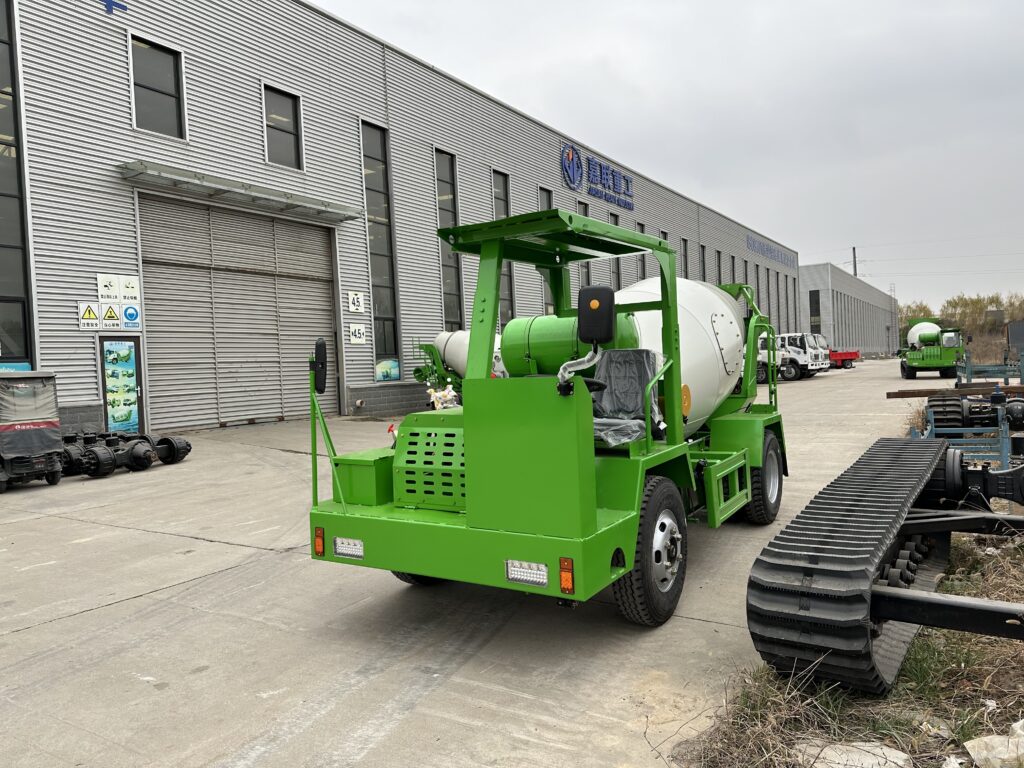
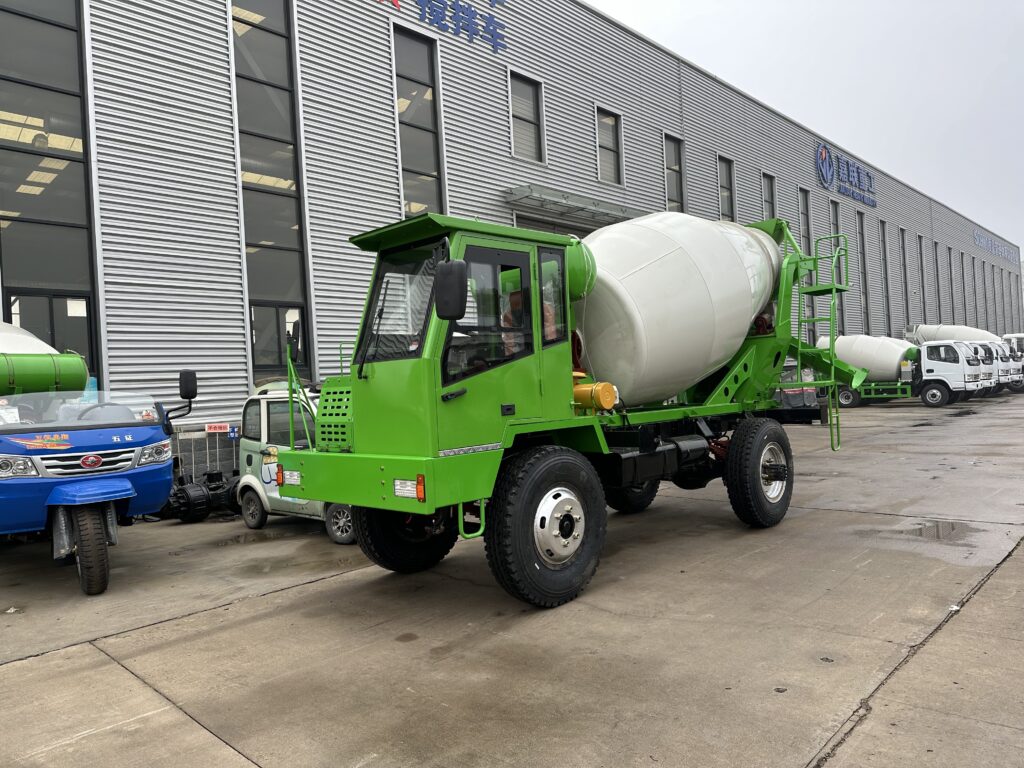
A Customized Small Concrete Mixer Truck is an ideal solution for construction projects that require flexible concrete transportation, compact dimensions, and reliable mixing performance. Compared with conventional concrete mixer trucks, a small and customized model can be configured according to specific job-site conditions, road access, concrete capacity, and customer requirements.
For contractors working in urban areas, residential construction sites, rural regions, narrow roads, and remote locations, choosing the right small concrete mixer truck can improve transportation flexibility and overall construction efficiency.
In this guide, we will explain the main features, customization options, applications, advantages, and purchasing considerations of customized small concrete mixer trucks.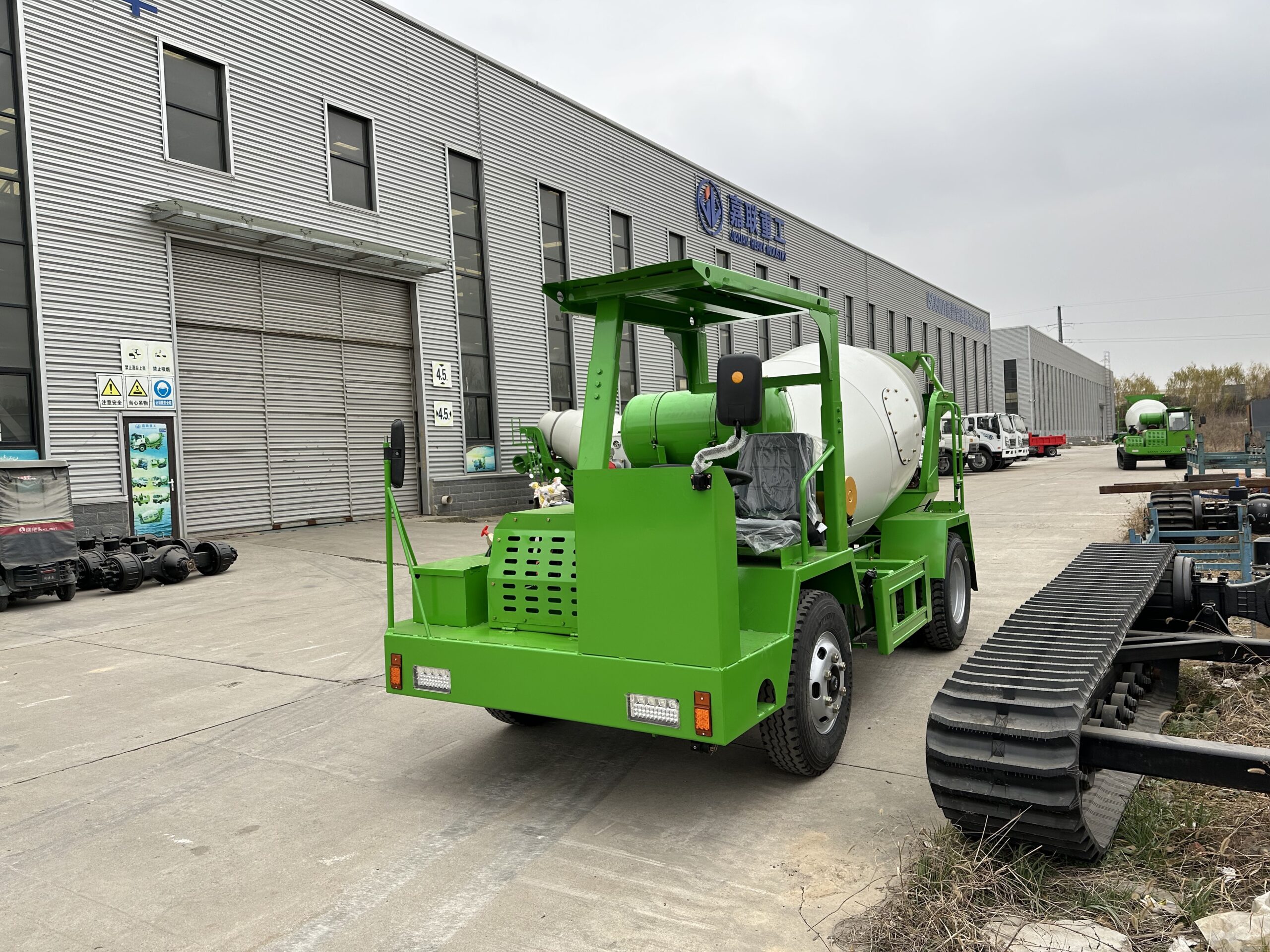
What Is a Customized Small Concrete Mixer Truck?
A Customized Small Concrete Mixer Truck is a compact vehicle designed to transport and continuously mix concrete during transportation. Its smaller dimensions make it easier to operate in locations where a conventional concrete mixer truck may have difficulty accessing the construction site.
Depending on the manufacturer’s capabilities, customers can customize various components, including the mixer drum, chassis, engine, hydraulic system, water tank, vehicle dimensions, driving configuration, and discharge system.
A customized concrete mixer truck can therefore be configured for different construction environments and transportation requirements.
The main customization options may include:
- Mixer drum capacity
- Truck chassis
- Engine configuration
- Vehicle dimensions
- Wheelbase
- Drive system
- Hydraulic system
- Water tank capacity
- Discharge chute
- Tire configuration
- Cab configuration
- Left-hand or right-hand drive
- Optional control systems
The objective of customization is not simply to make the vehicle smaller. The goal is to create a concrete mixing and transportation solution that matches the customer’s actual working conditions.
 Why Choose a Small Concrete Mixer Truck?
Construction projects vary significantly in size, location, and operating conditions. A large mixer truck may be unnecessary or difficult to operate on a small construction site.
A small cement mixer truck provides a more compact alternative for projects where mobility and flexibility are important.
1. Excellent Mobility
One of the most important advantages of a small concrete mixer truck is its compact structure.
The vehicle can be suitable for:
- Narrow urban streets
- Residential construction sites
- Rural roads
- Small building projects
- Tunnels
- Mining areas
- Mountain roads
- Agricultural construction projects
A smaller body can make it easier for operators to maneuver around buildings, equipment, and other vehicles.
For construction companies working in confined environments, a properly configured compact concrete mixer truck can provide greater accessibility than a standard-sized vehicle.
2. Flexible Concrete Transportation
A customized small concrete mixer truck can transport and mix concrete closer to the actual point of use.
This can be especially useful when construction sites are located far from centralized concrete plants or when several small projects need concrete during the same working day.
Instead of relying exclusively on large transportation vehicles, contractors can use appropriately sized concrete mixing equipment to match the requirements of individual projects.
3. Suitable for Small and Medium-Sized Construction Projects
Not every construction project requires a high-capacity mixer truck.
A small concrete mixer truck can be used for:
- Residential buildings
- Villas
- Small commercial buildings
- Farm construction
- Road repairs
- Drainage projects
- Sidewalk construction
- Municipal projects
- Rural infrastructure
- Foundation construction
For these applications, the right truck can provide a balance between concrete capacity, maneuverability, operating cost, and transportation flexibility.
Customized Small Concrete Mixer Truck vs. Standard Mixer Truck
The best type of mixer truck depends on the working environment and required concrete capacity.
| Feature | Customized Small Concrete Mixer Truck | Standard Concrete Mixer Truck |
|---|---|---|
| Vehicle Size | Compact | Larger |
| Maneuverability | Excellent in confined areas | Better for open sites |
| Turning Radius | Smaller | Larger |
| Suitable Projects | Small and medium projects | Medium and large projects |
| Narrow Roads | Highly suitable | May be difficult |
| Urban Construction | Highly suitable | Depends on site conditions |
| Customization | High | Varies |
| Transportation Flexibility | High | Moderate to high |
A small mixer truck does not necessarily replace a standard concrete mixer truck. Instead, it provides an alternative for customers who need greater mobility and flexibility.
For larger construction operations, buyers can also consider a complete range of concrete mixer trucks to select different capacities for different applications.
Key Customization Options
When purchasing a customized small concrete mixer truck, buyers should consider more than the drum capacity.
Mixer Drum Capacity
Mixer drum capacity is one of the most important specifications.
The appropriate capacity depends on:
- Concrete demand
- Transportation distance
- Construction site size
- Loading method
- Working hours
- Road conditions
A smaller drum can help maintain a compact vehicle structure, while a larger drum can increase the amount of concrete transported per cycle.
The ideal capacity should be selected according to actual project requirements rather than simply choosing the largest available option.
Chassis Configuration
The chassis affects vehicle durability, payload, driving performance, and maintenance requirements.
Important specifications include:
- Engine power
- Wheelbase
- Axle configuration
- Transmission
- Suspension
- Tire size
- Ground clearance
- Braking system
For demanding construction environments, chassis reliability and after-sales support are especially important.
An experienced concrete mixer truck manufacturer should be able to recommend a suitable chassis according to the customer’s operating environment and target market.
Vehicle Dimensions
Vehicle dimensions are particularly important for projects involving narrow roads or restricted access.
Customers may need to consider:
- Overall length
- Overall width
- Overall height
- Wheelbase
- Turning radius
- Ground clearance
Before ordering, buyers should measure the narrowest road sections, construction entrances, bridges, tunnels, and other restricted areas.
Drive System
Different construction environments require different drive configurations.
Projects involving steep slopes, muddy roads, rough terrain, or poor road surfaces may require a configuration with improved traction and driving capability.
The drive system should therefore be selected according to actual working conditions rather than based only on purchase price.
Water System
Water is an essential part of the concrete mixing process.
A properly configured water tank and water supply system can help operators manage the mixing process more effectively.
The water system can be customized according to the vehicle design, concrete production requirements, and customer’s operating environment.
Applications of Customized Small Concrete Mixer Trucks
A customized small concrete mixer truck can be used in a wide variety of construction applications.
Urban Construction
Urban construction sites often have limited space and difficult vehicle access.
A compact mixer truck can maneuver more easily through narrow streets and residential areas, making it suitable for housing projects, municipal construction, and small commercial developments.
Rural Infrastructure
Rural construction projects may involve narrow roads, uneven terrain, and long transportation distances.
A small concrete mixer truck can provide greater flexibility for projects located away from large concrete production facilities.
Residential Construction
Residential projects such as houses, villas, foundations, driveways, and small apartment buildings often require relatively flexible concrete delivery.
A customized mixer truck can be configured according to the size and accessibility of the construction site.
Road and Bridge Maintenance
Road repairs, drainage construction, bridge maintenance, and other infrastructure projects may require relatively small quantities of concrete at different locations.
A compact mixer can be easier to transport between work areas and can reduce the limitations associated with large vehicles.
Agricultural Construction
Concrete is widely used in agricultural infrastructure, including farm roads, irrigation systems, drainage channels, livestock facilities, and storage buildings.
For these applications, a small mixer truck can provide a practical concrete transportation solution, particularly when construction sites are located on narrow or unpaved roads.
 How to Choose the Right Customized Small Concrete Mixer Truck
Selecting the right vehicle requires more than comparing prices.
1. Determine Your Concrete Requirements
First, estimate how much concrete you normally need for each delivery cycle and each working day.
Consider:
- Concrete volume
- Number of deliveries
- Average transportation distance
- Construction schedule
- Loading and unloading efficiency
This information can help determine the appropriate mixer drum capacity.
2. Evaluate Road Conditions
Road conditions directly affect the required vehicle configuration.
Consider:
- Road width
- Road surface
- Maximum slope
- Turning space
- Entrance height
- Bridge load limits
- Construction-site space
If the truck will operate in difficult terrain, buyers should also consider ground clearance, traction, suspension, and axle configuration.
3. Consider Local Regulations
Different countries have different regulations regarding vehicle dimensions, emissions, road weight, lighting, braking systems, and other technical requirements.
Before purchasing a customized small concrete mixer truck, confirm that the selected configuration can meet the regulations of the destination market.
This is particularly important for international buyers.
4. Select the Right Chassis
The chassis should match the expected workload and operating environment.
Important considerations include engine performance, durability, fuel efficiency, payload, maintenance requirements, and spare-parts availability.
A professional manufacturer can help customers compare different chassis configurations according to their project requirements.
5. Work With an Experienced Manufacturer
Customization involves more than changing the dimensions of the vehicle.
The chassis, mixer drum, hydraulic system, water system, transmission, and vehicle structure must work together as a complete system.
Working with an experienced concrete mixer truck manufacturer can help buyers develop a configuration that is practical, reliable, and suitable for the intended application.
Customized Small Concrete Mixer Truck for Different Markets
Construction conditions vary from country to country.
For international projects, customers may require different vehicle configurations depending on local road conditions, climate, regulations, and driving requirements.
For example, some markets may require right-hand-drive vehicles, while others use left-hand-drive configurations.
Customers may also have specific requirements for:
- Engine emissions
- Vehicle dimensions
- Electrical systems
- Tire specifications
- Chassis brands
- Hydraulic components
- Safety equipment
- Local certification
A manufacturer with international customization experience can help buyers select a suitable configuration for their market.
Small Concrete Mixer Truck or Self-Loading Concrete Mixer?
A conventional small concrete mixer truck and a self loading concrete mixer can both be used for concrete production and transportation, but they are designed for different operating requirements.
A traditional mixer truck generally focuses on transporting and mixing concrete, while a self-loading mixer can combine loading, mixing, transportation, and discharge functions in a single machine.
For projects where concrete materials need to be loaded directly at the construction site, a self-loading mixer may provide additional flexibility.
For projects that already have a concrete batching or loading system, a customized small concrete mixer truck may be the more appropriate choice.
The best option depends on project size, material availability, transportation distance, labor requirements, and site conditions.
What Should You Ask a Concrete Mixer Truck Manufacturer?
Before purchasing a customized small concrete mixer truck, buyers should ask the manufacturer several important questions:
- What mixer drum capacities are available?
- Can the overall dimensions be customized?
- Can I choose the chassis?
- Is left-hand or right-hand drive available?
- Can the vehicle be designed for narrow roads?
- What hydraulic system is used?
- What engine options are available?
- Can the truck meet local regulations?
- What warranty is provided?
- Are spare parts available?
- Is technical support available?
- What is the production and delivery time?
Clear answers to these questions can help buyers compare different suppliers and select the right configuration.
How Much Does a Customized Small Concrete Mixer Truck Cost?
The price of a customized small concrete mixer truck depends on its configuration and destination market.
Major cost factors include:
- Mixer drum capacity
- Chassis brand
- Engine specifications
- Drive configuration
- Hydraulic system
- Vehicle dimensions
- Customization requirements
- Optional equipment
- Shipping destination
- Freight costs
- Import duties and taxes
For this reason, there is no single standard price for every customized small concrete mixer truck.
For an accurate quotation, buyers should provide the manufacturer with the required drum capacity, chassis preferences, working environment, destination country, and customization requirements.
A professional supplier can then recommend a configuration and provide a detailed quotation based on the actual specifications.
Frequently Asked Questions
What is a customized small concrete mixer truck?
A customized small concrete mixer truck is a compact concrete mixing and transportation vehicle configured according to specific customer requirements, such as drum capacity, vehicle dimensions, chassis, drive system, and working environment.
What are the advantages of a small concrete mixer truck?
The main advantages include compact dimensions, good maneuverability, flexible transportation, and suitability for small and medium-sized construction projects.
Can a small concrete mixer truck operate on narrow roads?
Yes. Small mixer trucks are generally more suitable for narrow roads than conventional large mixer trucks. However, the actual suitability depends on the final vehicle dimensions, turning radius, road conditions, and site access.
Can a concrete mixer truck be customized for different countries?
Yes. Depending on the manufacturer, the vehicle can be customized according to local requirements, including drive configuration, chassis, dimensions, engine specifications, electrical systems, and regulatory requirements.
How do I choose the right mixer drum capacity?
The appropriate drum capacity depends on concrete demand, transportation distance, project size, road conditions, loading equipment, and expected daily working hours.
What is the difference between a small mixer truck and a self-loading concrete mixer?
A small mixer truck mainly focuses on concrete transportation and mixing, while a self-loading concrete mixer can typically load raw materials, mix concrete, transport it, and discharge it at the construction site.
How much does a customized small concrete mixer truck cost?
The price depends on drum capacity, chassis, engine, hydraulic components, customization requirements, destination market, shipping costs, and other specifications. Buyers should request a quotation based on their specific requirements.
Final Thoughts
A Customized Small Concrete Mixer Truck can be an effective solution for contractors and construction companies that need flexible concrete transportation in areas where conventional mixer trucks are difficult to operate.
The right truck should be selected according to concrete capacity, road conditions, construction-site dimensions, chassis requirements, operating environment, and local regulations.
Instead of simply choosing the smallest or cheapest vehicle, buyers should focus on finding a configuration that provides the right combination of mobility, concrete capacity, reliability, and operating efficiency.
With the right configuration and an experienced manufacturer, a customized small concrete mixer truck can support a wide range of residential, municipal, rural, agricultural, road, and infrastructure construction projects.
If you are looking for a reliable customized small concrete mixer truck, contact our team with your required drum capacity, chassis preferences, working conditions, and destination market. We can help you develop a suitable concrete mixing and transportation solution for your project.